Process Document

Process Document

Week One: Initiation

Public Space, Public Voice
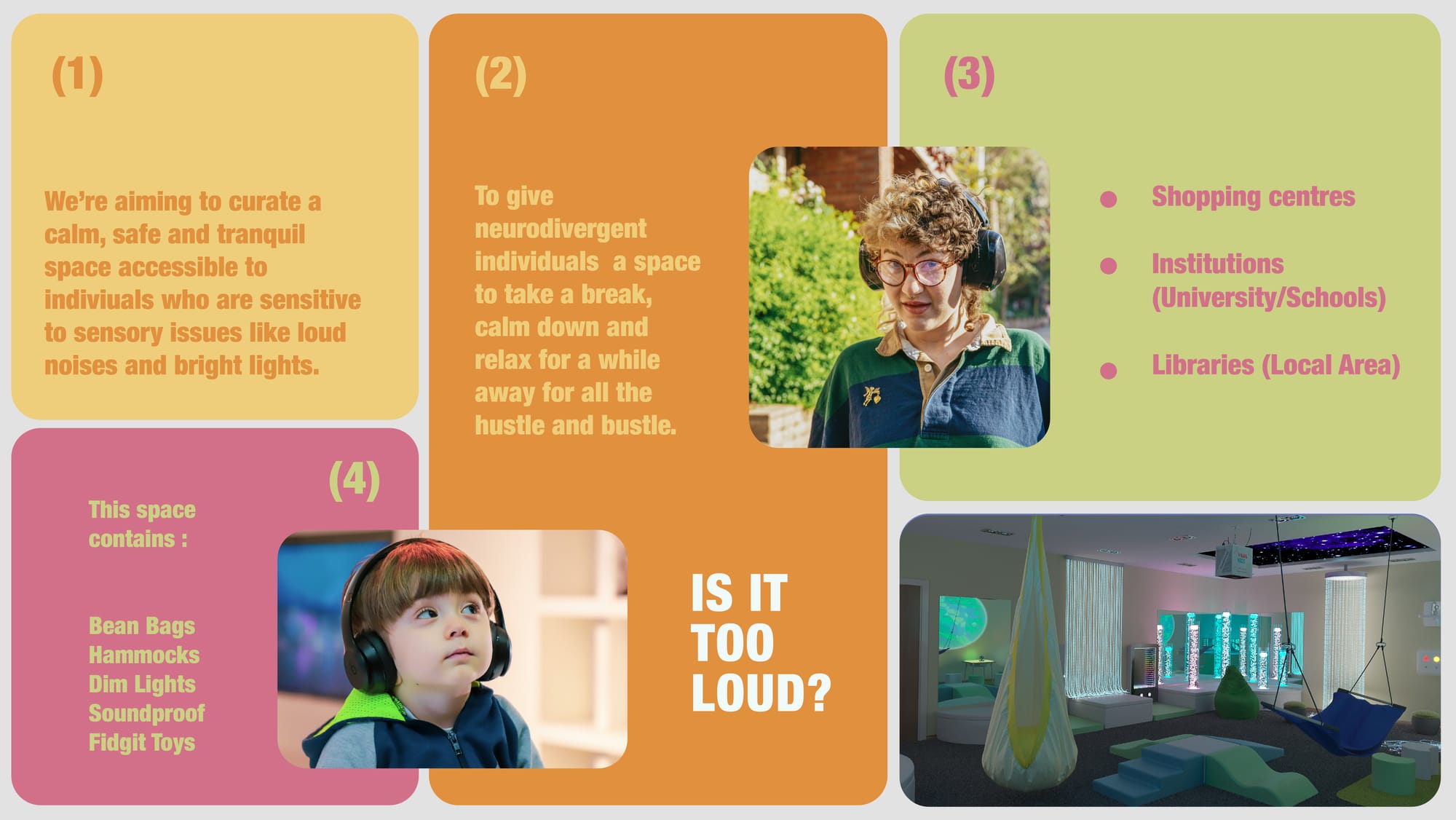
Public Space, Public Voice infographic
5.2.1 Reflection
Technologies you considered When creating our campaign our group approached it by writing down our initial ideas and discussing which one we found would make a good campaign. We presented our final idea through a one page pdf made in Adobe Illustrator. Technologies you actually used For planning and ideation

Animation

0:00
/0:05

Animation tutorial

0:00
/0:05

Animation task

I've played around with rotoscoping (tracing over frames of a video) during 1st year it was time consuming but the results were good. Animation kinda gave the same vibe so I found it easy to pick up.

Week Two: Innovation
Media Diet 1
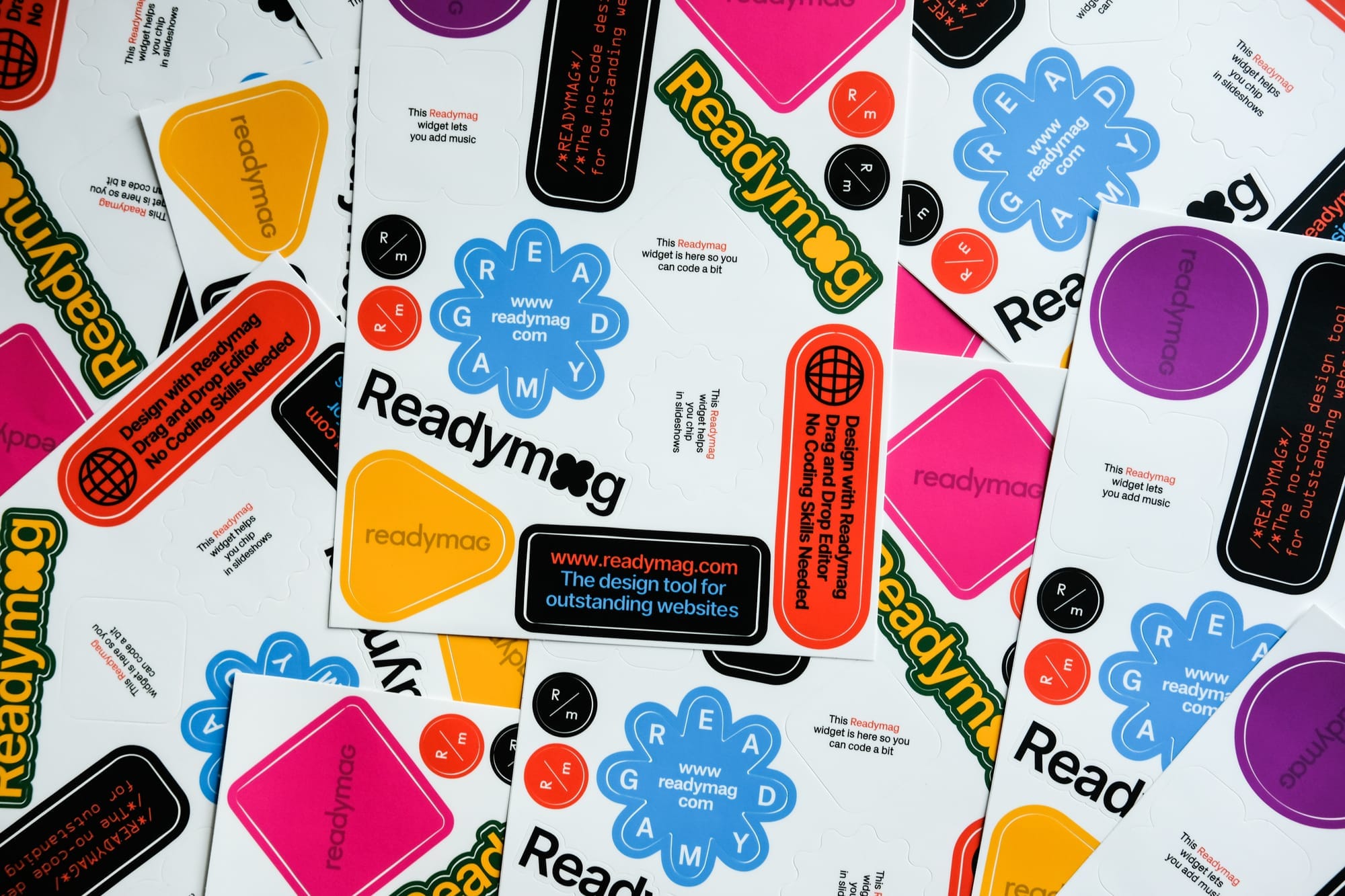
0:00 /0:52 1× Who made it? Readymag is a web design tool that allows for all types of websites to be created. However, they do tend to lean more into the design aspect. The most popular use for this tool is to build dynamic portfolios for creatives. How
Media Diet 2
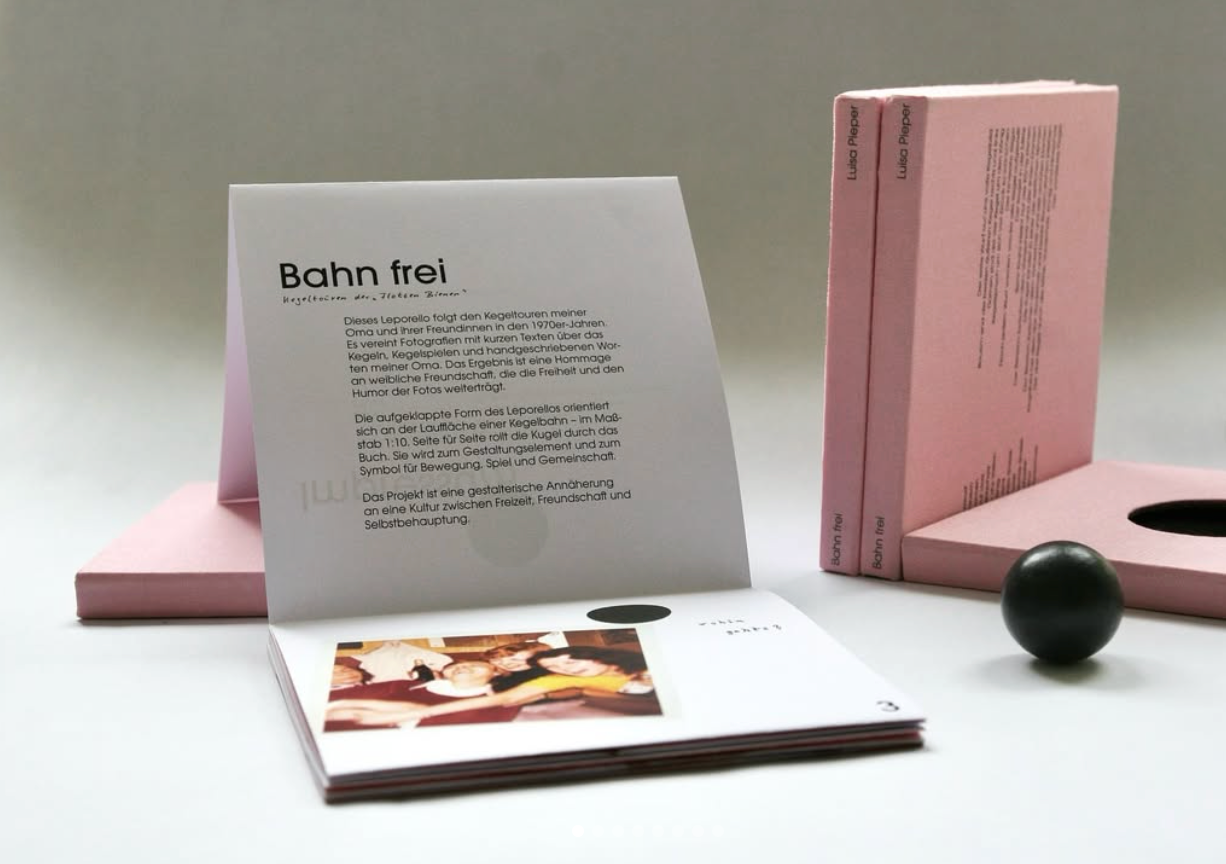
0:00 /1:25 1× Who made it? The creator goes by the name of Luisas_lens on Instagram. She’s a design student based in Germany. How did they make it? She created a handmade booklet and cover using traditional book binding tools and methods. Tools used: Cutting mat/bone
Media Diet 3
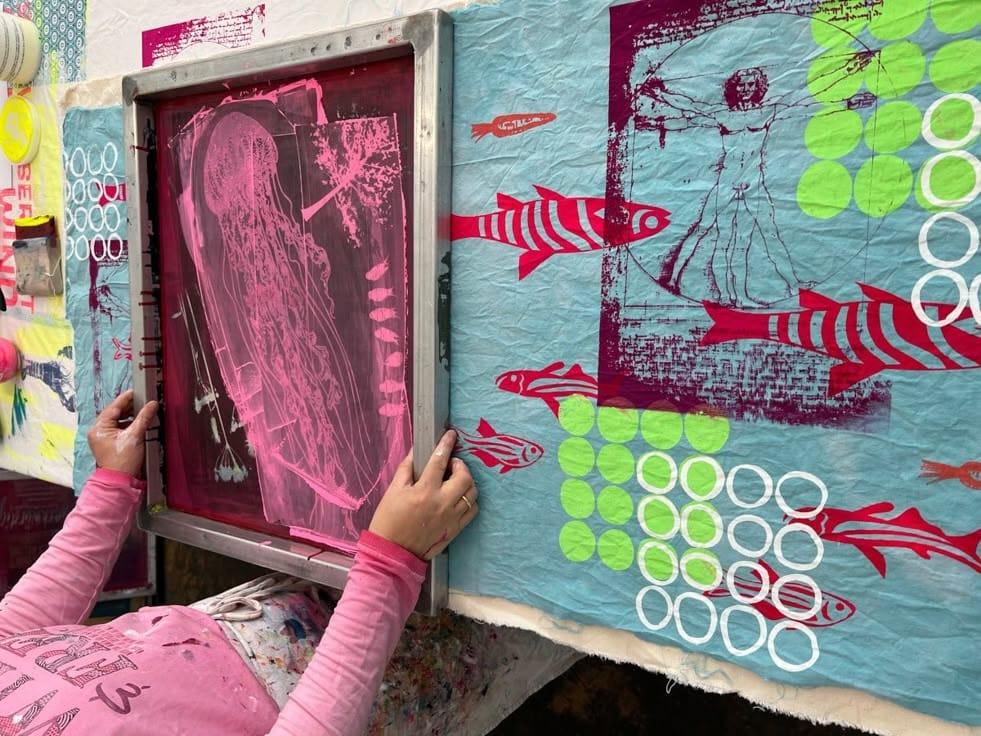
0:00 /0:30 1× Who made it? Sevoler which is a clothing brand. Their Instagram is sevoler.studio. S’ENVOLER: LOS ANGELES,CA.Purposeful streetwear, hand-printed in LA. S’envoler Studio creates limited pieces for self-discovery and transformation.S’envoler Studio “We are an independent fashion brand - our small

Jitter

0:00
/0:04
0:00
/0:04

Other than the lack of effects compared to After Effects, Jitter is extremely easy to use and is probably the best place to start if you're just getting into motion graphic.

Rotoscoping

0:00
/0:23

Rotoscoping tutorial

Week Three: Implementation
5.2.3 Workflow
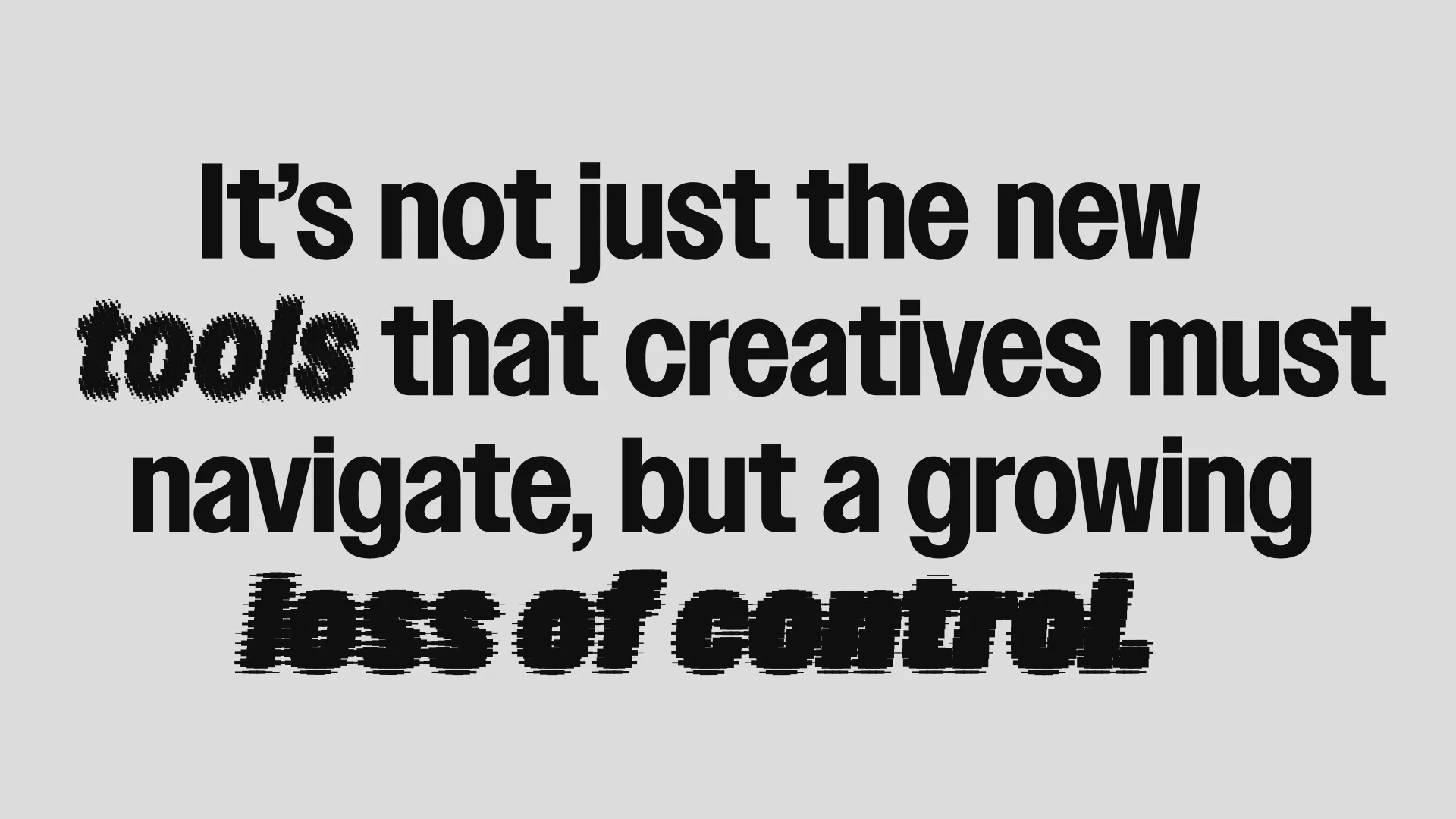
Part One: Reflect What parts of your practice make you feel most engaged and creative? I felt most engaged during the early exploration stages (researching, moodboarding and generating ideas). That’s when I find flow, making unexpected connections and experimenting freely. I’m also energetic when those ideas turn into physical, tangible

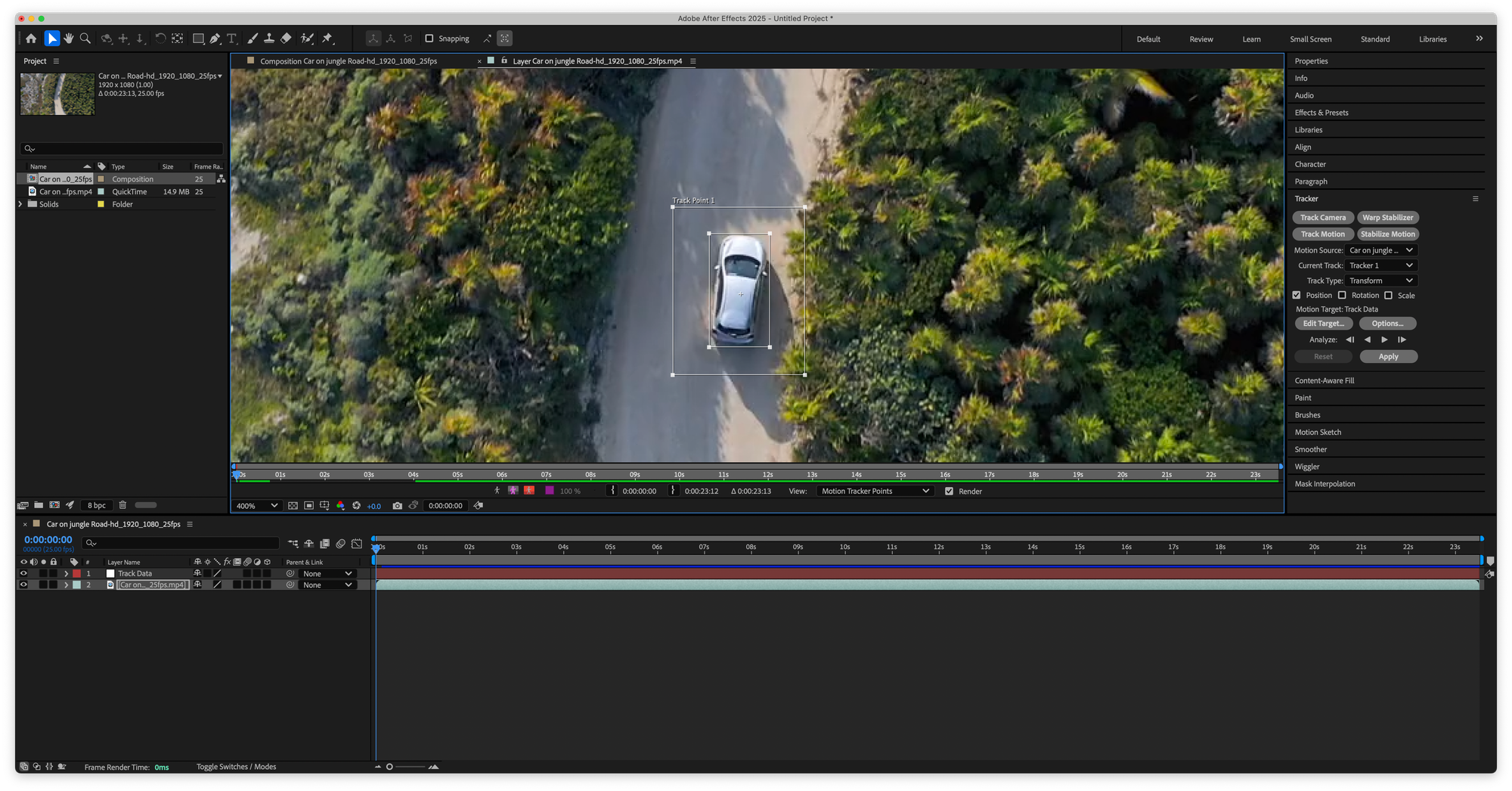
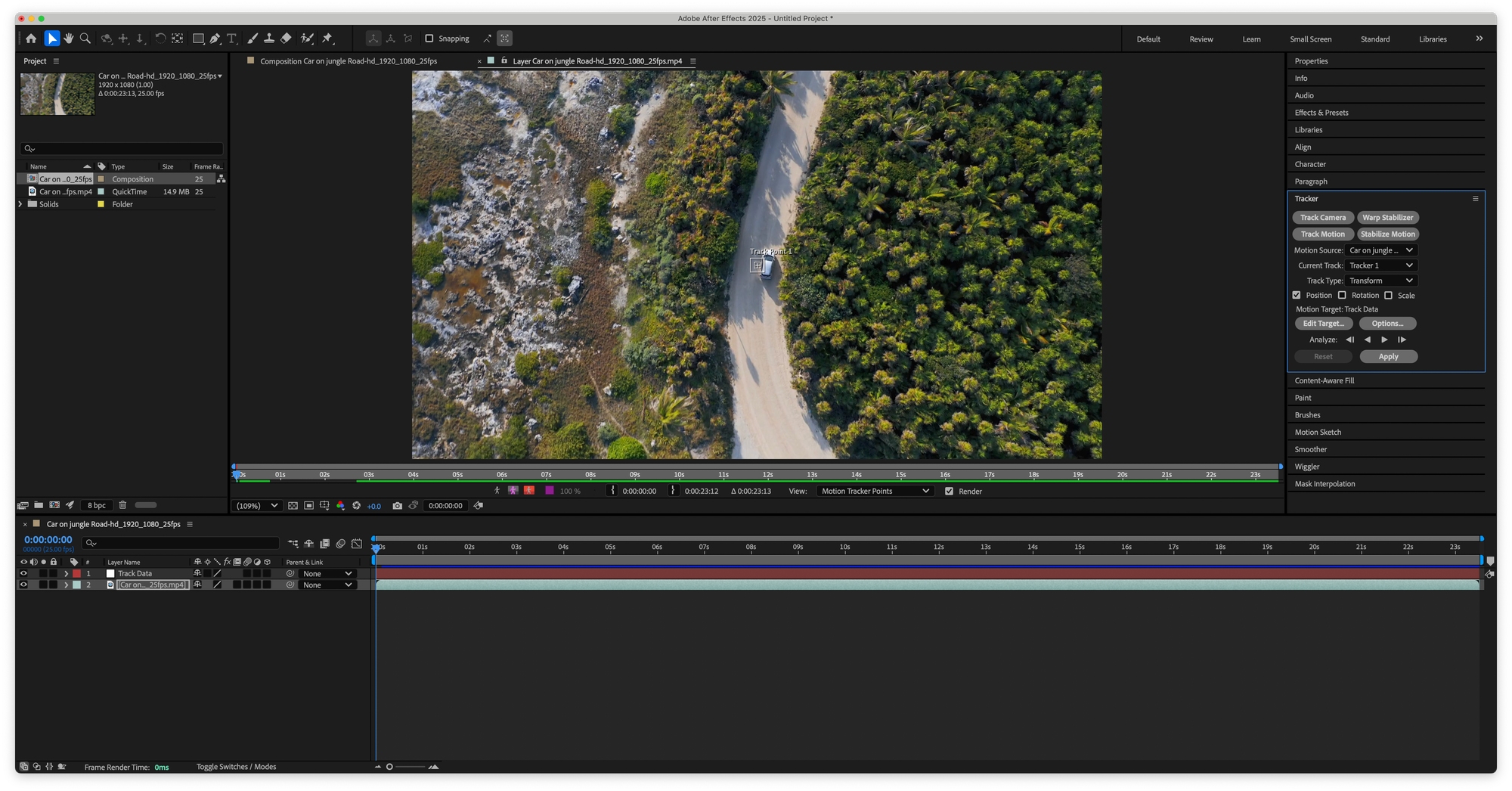
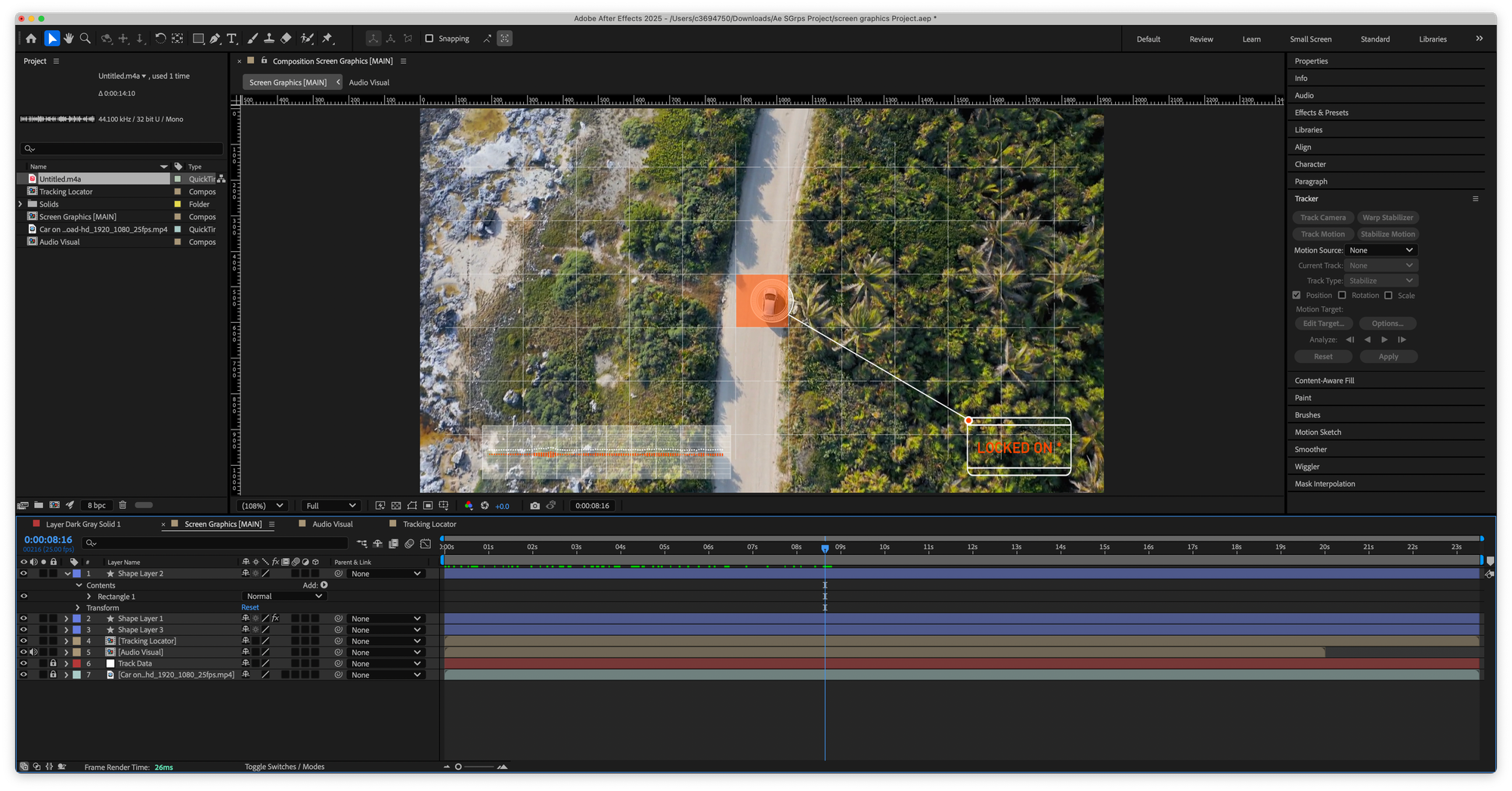
2D Motion Graphics: Motion Tracking (Part 1)
Screenshot 1
Screenshot 2

Week Four: Automation

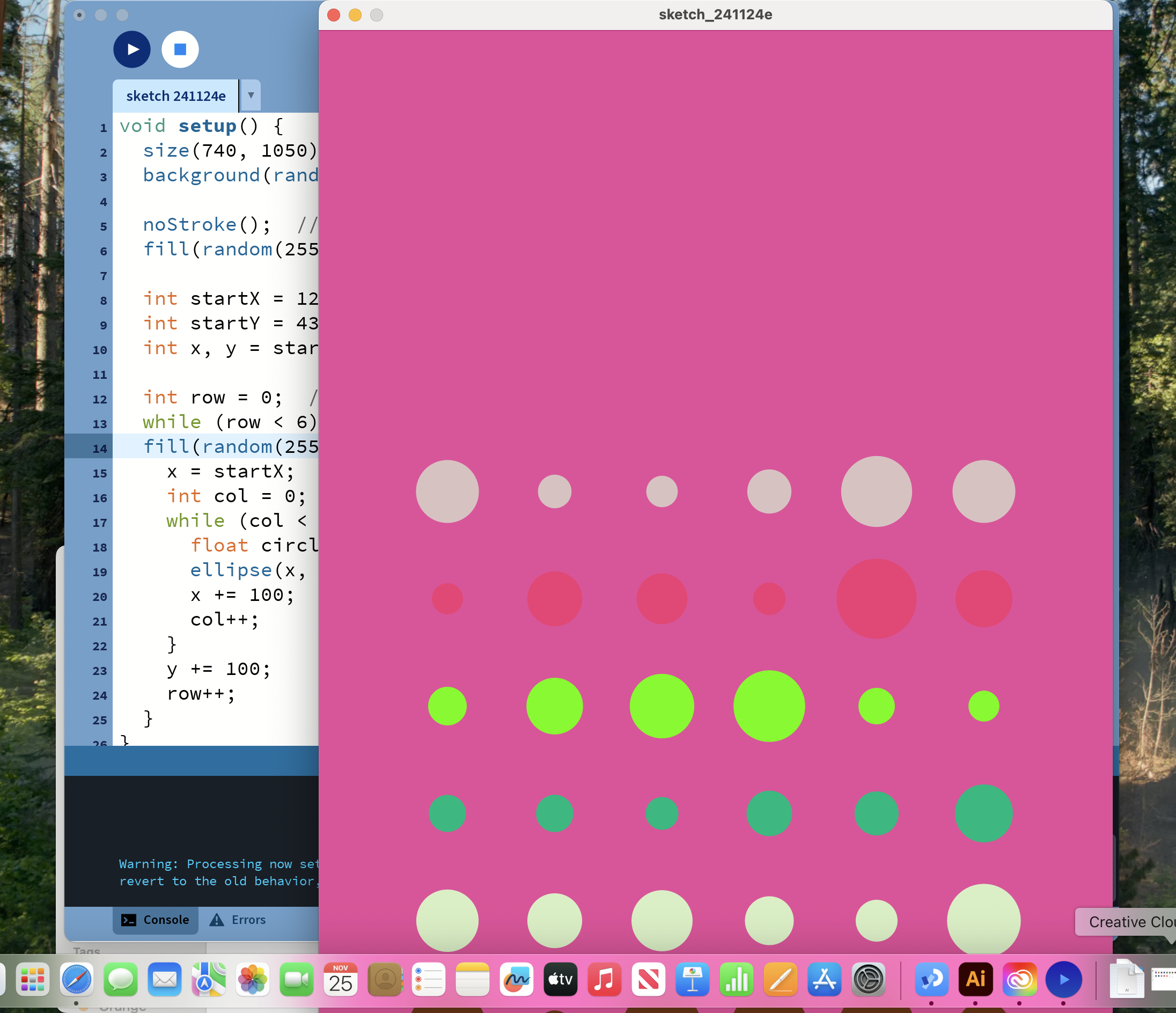
Processing Workshop
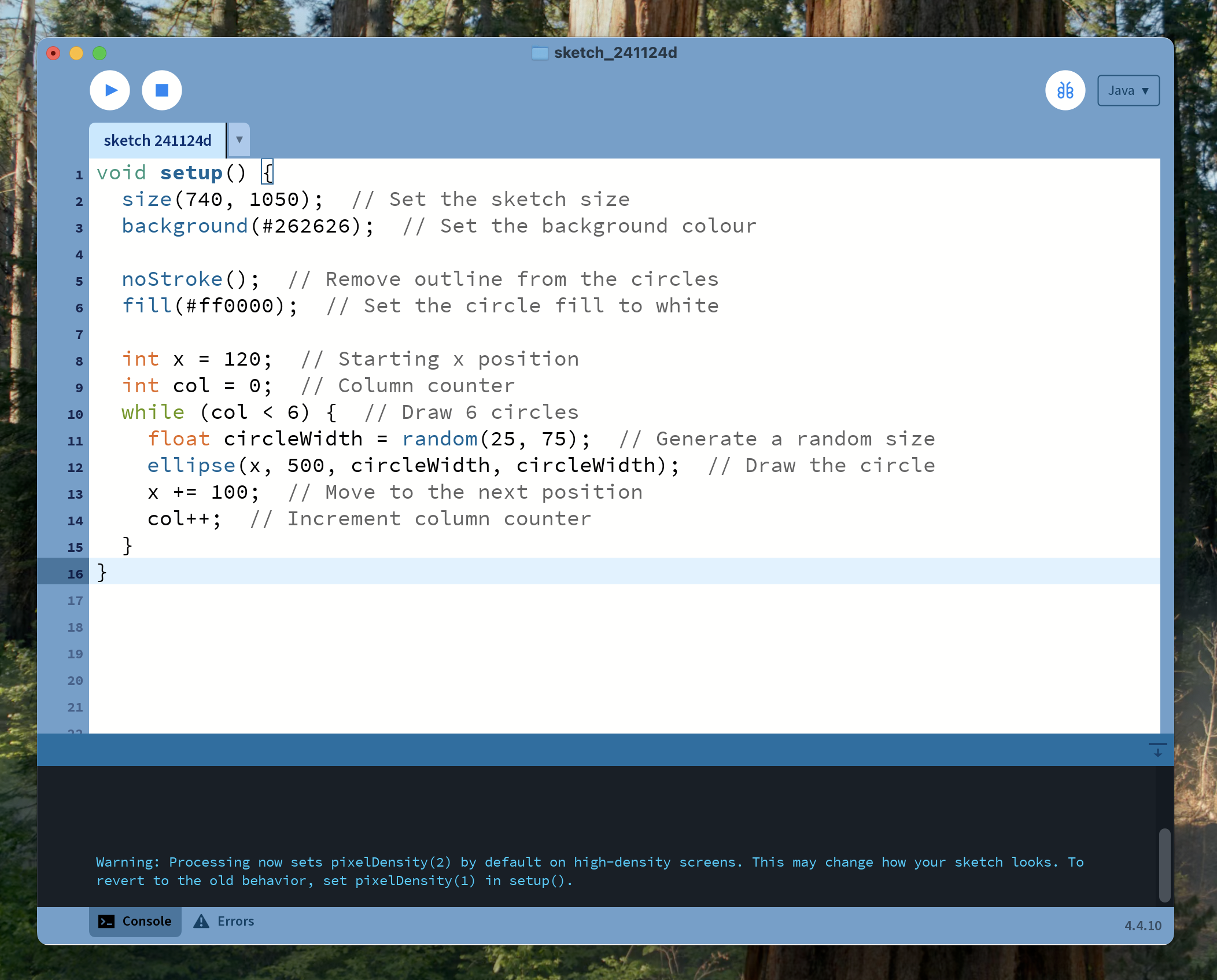
This was so difficult to understand, nothing was working. I was able to get text placed in the right spot with colour, however anything beyond that wasn't working :(

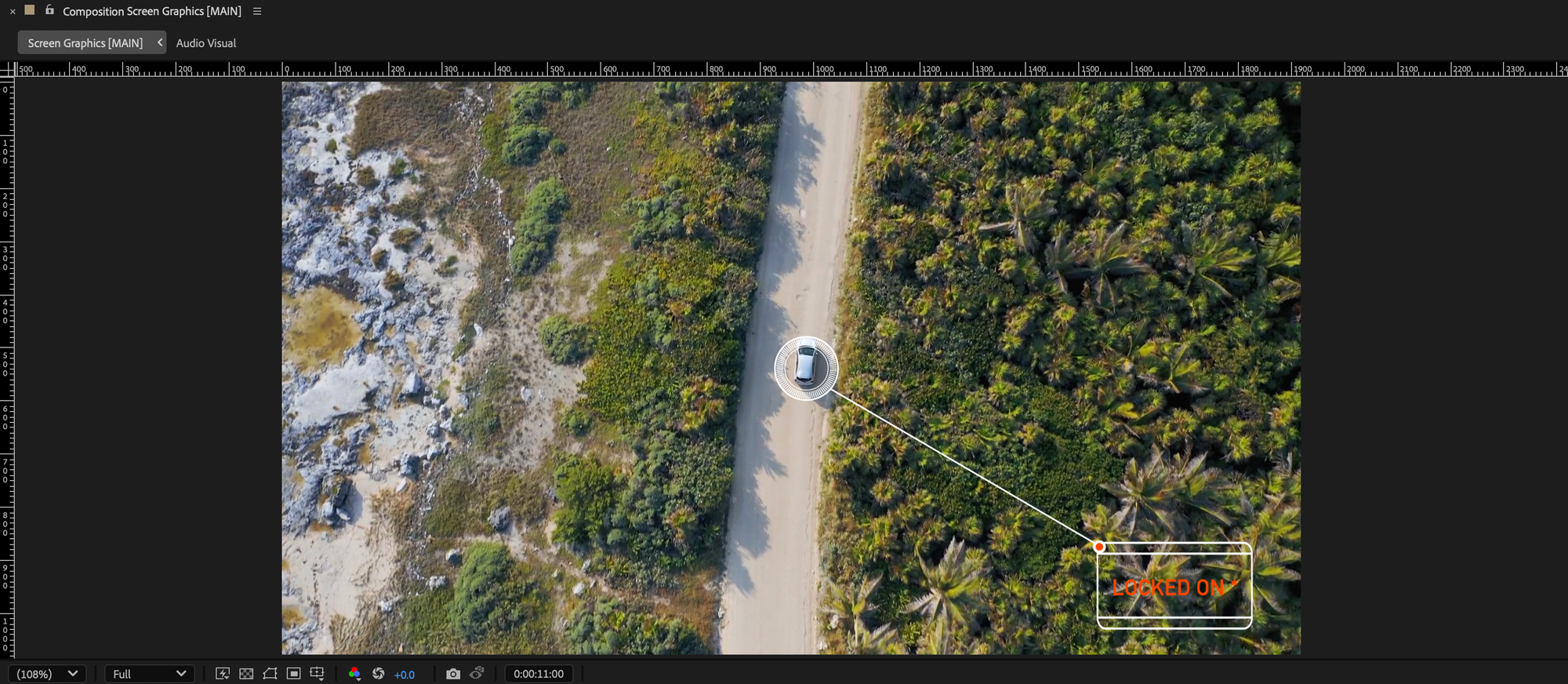
2D Motion Graphics: Screen Graphics (Part 2)
Week Five: Production

DIA — DIA
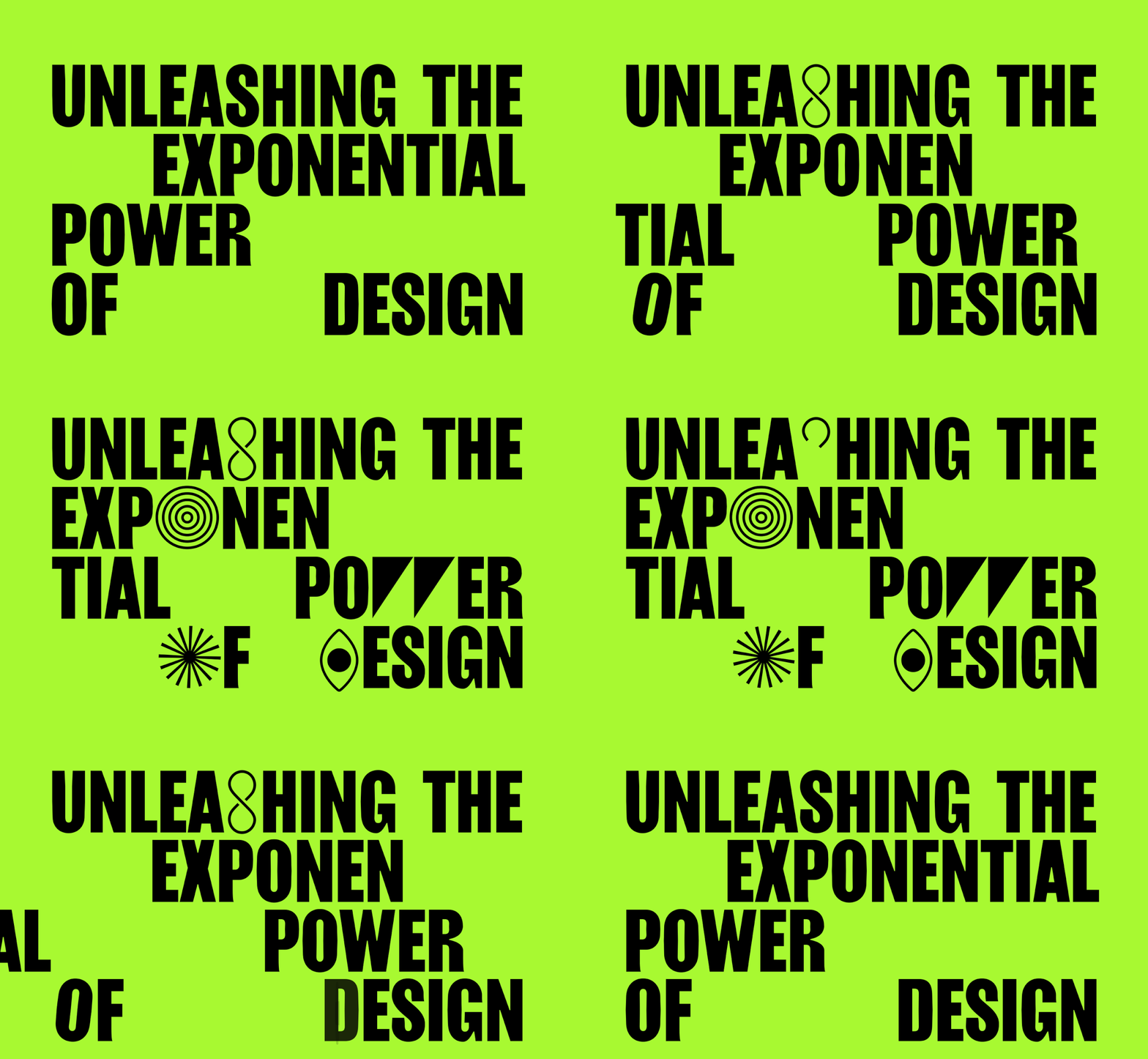
DIA is a branding and graphic design studio specializing in kinetic identities and typographic systems. Headquartered in NYC and Chamonix, France, we’ve developed a new approach to designing identity systems where motion is foundational and creative tools always accompany brand guidelines. Our generative tools and autonomous design systems empower internal teams and simplify oversight.
PORTFOLIO — Studio Studio, creative bureau for art direction, graphic design & web development in Gent
The new visual identity for Kunsthumaniora Sint-Lucas Gent focuses on creating a welcoming atmosphere for a secondary art school. This involved redesigning the school’s visual structure and directional signage. Additionally, we developed the school’s website and stationary to align with this new identity, ensuring consistency across all platforms. Inspired by the renowned architecture department of <a href=“https://studiostudio.be/kunsthumaniora-sint-lucas-gent/” class=“more-link”>...<span class=“screen-reader-text”> Kunsthumaniora Sint-Lucas Gent</span></a>
3 Second Graphic
0:00
/1:26
3 Second Graphic experimentation
Cavalry - Powerful 2D Animation Software for Mac and Windows
Created by animators, for animators — Cavalry makes 2d animation smarter, easier and faster to produce. Design in real-time for advertising, mobile, data visualisation, web, broadcast, ui, generative art, experiential, games and more.

2D Motion Graphics: Screen Graphics (Part 3)
0:00
/0:23
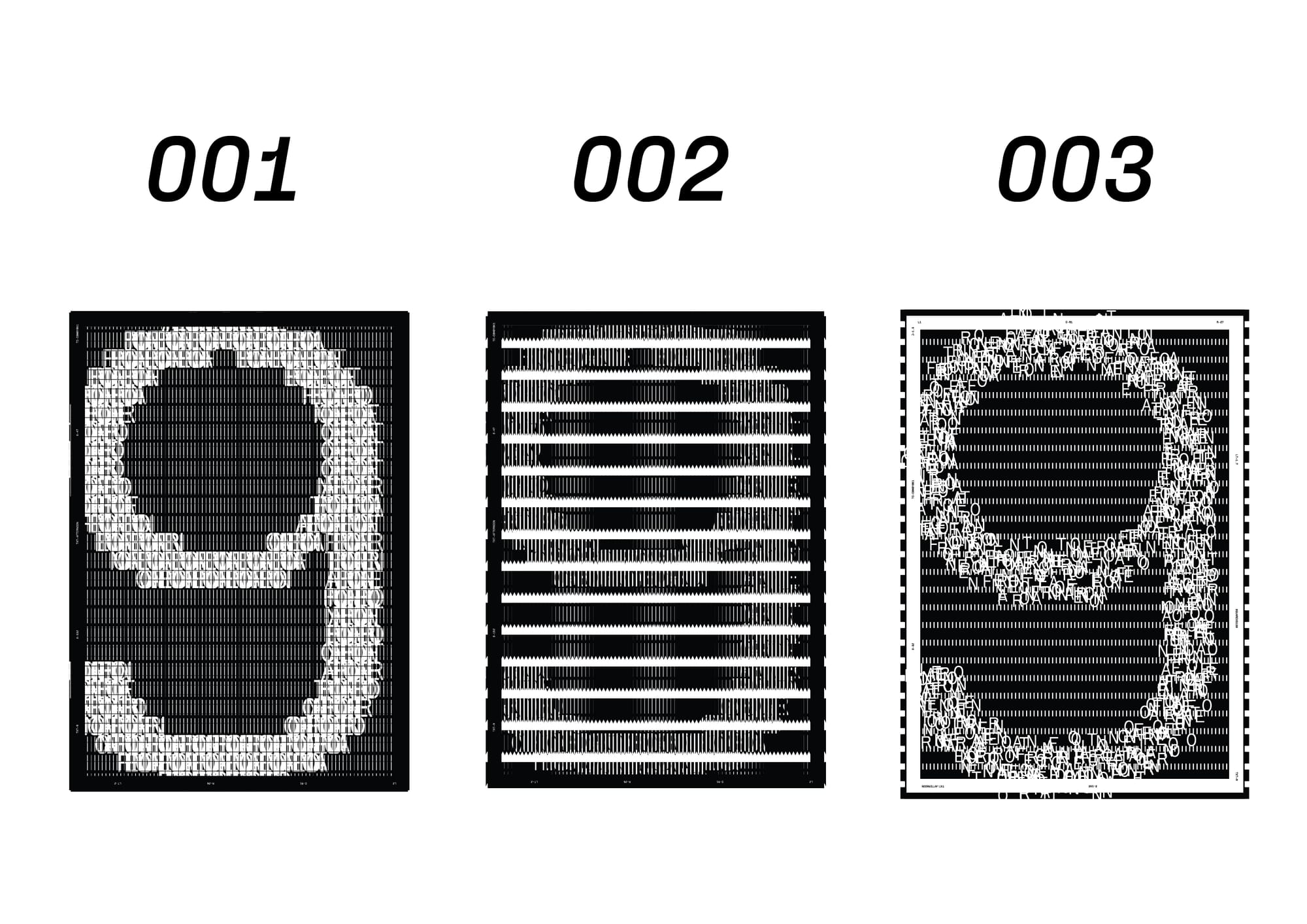
Four by Six
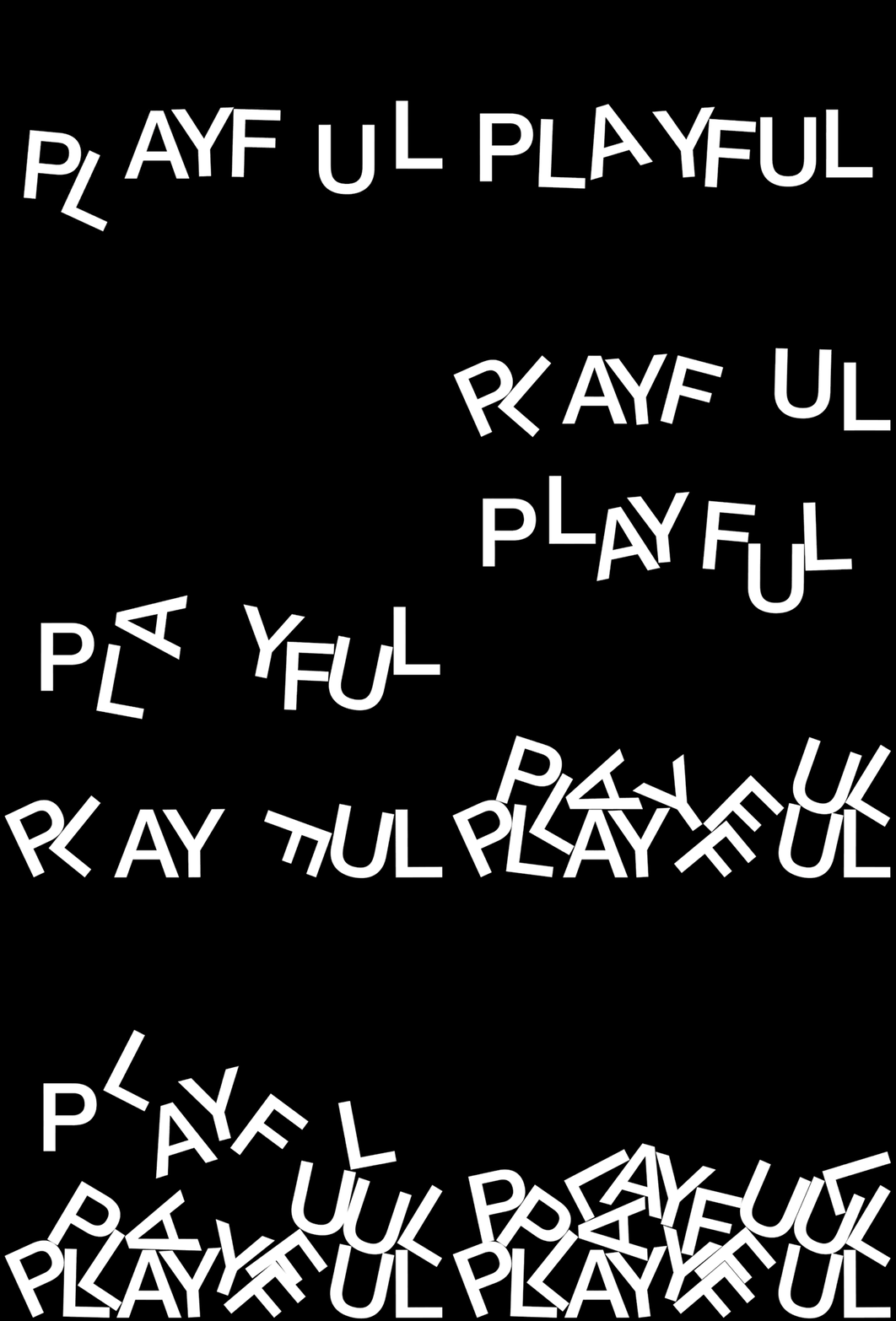
Proposal This project will take my type specimen/poster from the last module and transform it into a screen-based moving typography experience. Choice One: Type Activation Choice Two: Animation Who is it for? Graphic design students and typographers interested in type expression. Any audience exploring how type behaves in movement

Week Six: Distribution

Animating Illustrations

0:00
/0:16

Additional Information

Cargo
Site builder for designers and artists

https://medium.com/

https://wordpress.com/

Kit: Automated Email Marketing & Newsletter Platform (formerly ConvertKit)
Kit (formerly ConvertKit) is the creator-first email marketing and newsletter platform. Grow your audience, automate campaigns, and sell without burnout.
Readymag
The design tool for outstanding websites

Overall Thoughts & Reflections

What specific tools or technologies have I explored recently?

I have played around with creative coding environments like processing. I've also explored and experimented with animation through hand-drawn illustrations and text as well as video editing and effects.

How has coding, generative design, or other technical approaches shaped my thinking?

Well instead of thinking I need an outcome I've started to think about how could I make a system, it forces you to think about multiple elements at the same time. It's also unpredictable, you don't know what could happen unless you try, which opens you up to iteration and experimentation.

What did I discover about my own process through these experiments?

I discovered that I'm terrible at coding but even though I wasn't the best it was kinda fun. It felt like a game, so I won't give up on coding just yet, it might just take longer for me to learn it.

What specific tools or methods do I want to explore further, and why?

I want to diversify my work with tools that connect physical and digital design such as creative coding, and prototyping with AI-assisted workflows. I’m also drawn to tools that let me iterate visually and experiment with systems rather than static outcomes. Methods like generative design and speculative prototyping make me excited to uncover possibilities that aren’t common through traditional design processes.