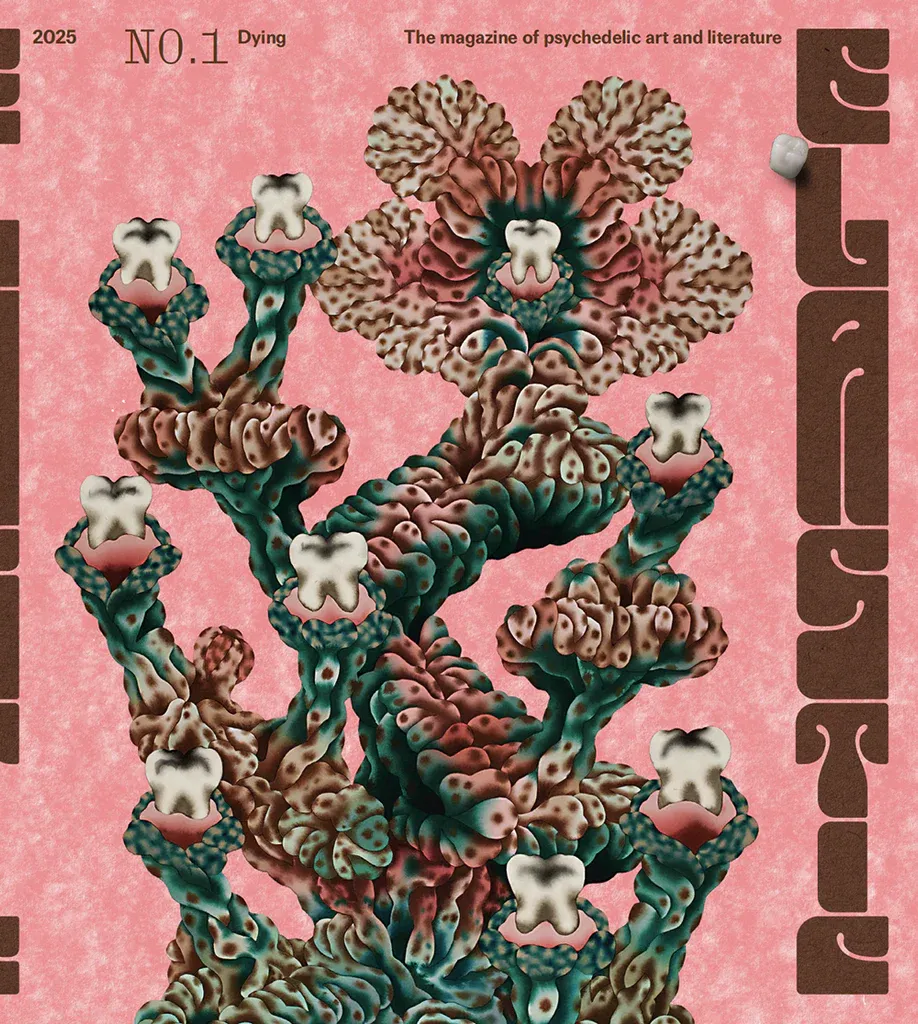
Maja Daniels - Millie Johnston - Beyond the Canon
Maja Daniels (/ˈmɑː.jə ˈdæn.əlz/ MAH-yuh DAN-yuhlz; 1985, Age 40) is a Swedish female photography-based artist, best known for exploring photography as a form of communication. Her work encompasses a diverse range of subject matters, including social documentaries and portraiture, with a focus on human relationships in a Western, contemporary context.
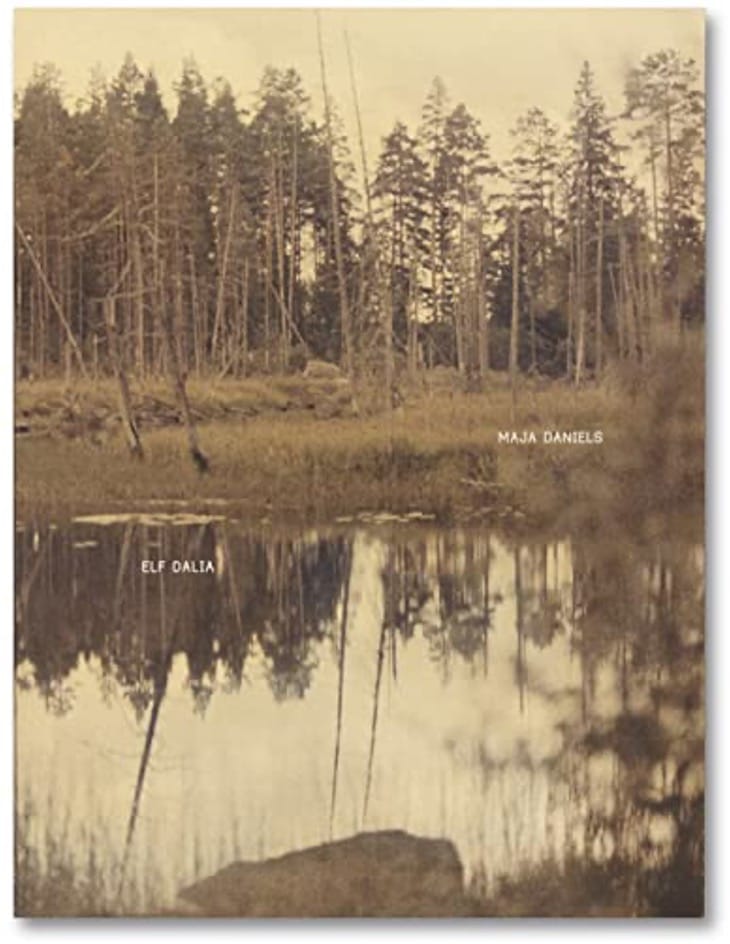
Daniels' first book, “Elf Dalia”, has received international acclaim and has since expanded into an exhibition that has toured internationally.
Early life and education
Daniels was born in Alvdalen, a rural town in Dalarna County, Sweden, in 1985. Daniels grew up in Alvdalen, and she has since used the cultural and linguistic traditions of Alvdalen, including the Elfdalian language and stories of witch trials, to influence her projects such as Elf Dalia and Gertrud.
Daniel’s work is influenced by her studies of photography, sociology and film. Her education began at the Paris Photographic Institute (2005-2006), Paris, followed by a BA Sociology at the Université Paris VIII, Paris, France (2007-2010) and a MA Sociology at Goldsmith, London, UK (2011-2013) and finally a MFA Film at HDK-Valand, Gothenburg University, SWE (2018-2020).
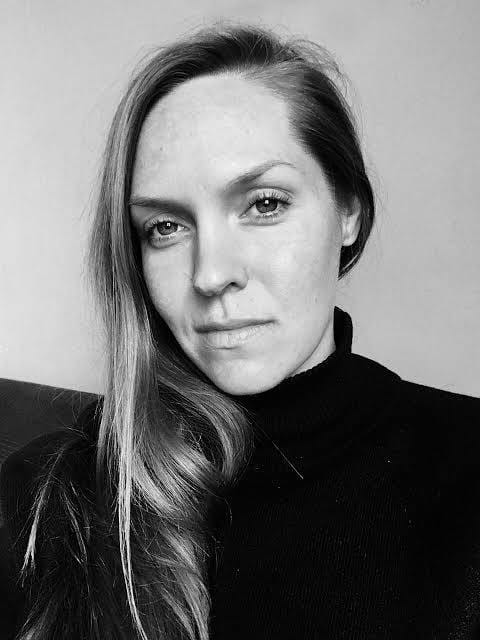
Born: 1985 Alvdalen, Sweden
Education: Paris Photographic Institute
Université Paris VIII
Goldsmith, London
Known for: Photography
Website: majadaniels.com
Art
Maya Daniel’s passion for photography started when she was studying journalism in Sweden. She then went on to study Photography at the Speos School in Paris, 2006. After this, she spent 3 years of her career as personal assistant to Peter Lindbergh.
Daniels is a photographer and filmmaker. She uses her knowledge of sociology to create and shape her visual storytelling, with a focus on identity and history. She uses photography, sound, and moving images to create multidimensional stories.
“Currently based between London and Gothenburg, her work has been exhibited in Paris, London, New York, Amsterdam and Bilbao.” (Lerman, 2020)
Maja is interested in examining the societal aspects and frameworks that relate to identity and family relationships.
Daniels finds ways of relating to and looking at the world. Her aim is to go beyond that which is initially considered ‘given’ and to engage with the visual
ways that both question and expand its narrative potential. Daniels aims to create visual expressions that challenge a linear and chronological concept of time and reconfigure boundaries.
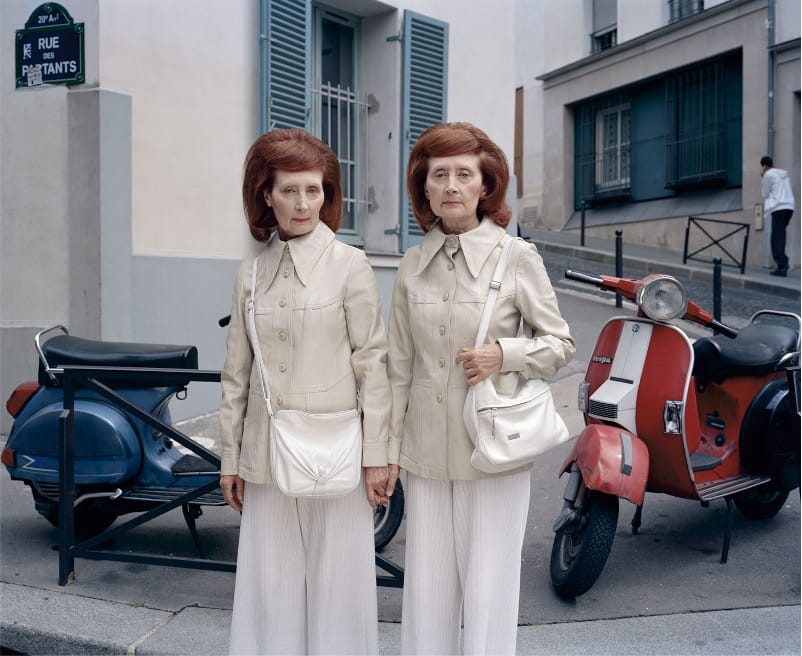
Into Oblivion
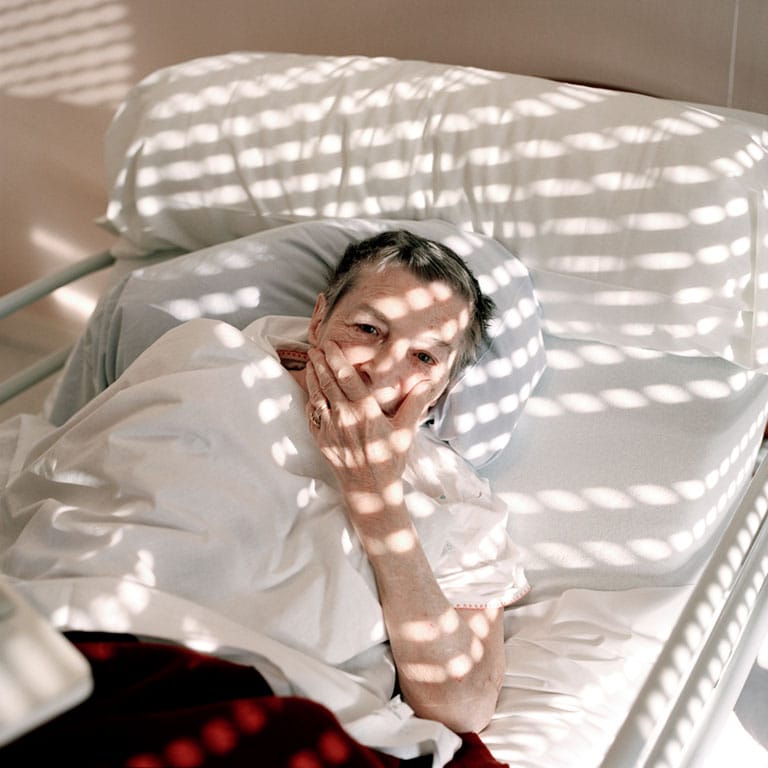
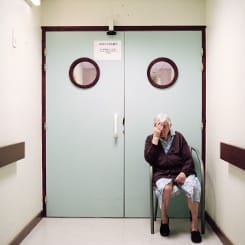
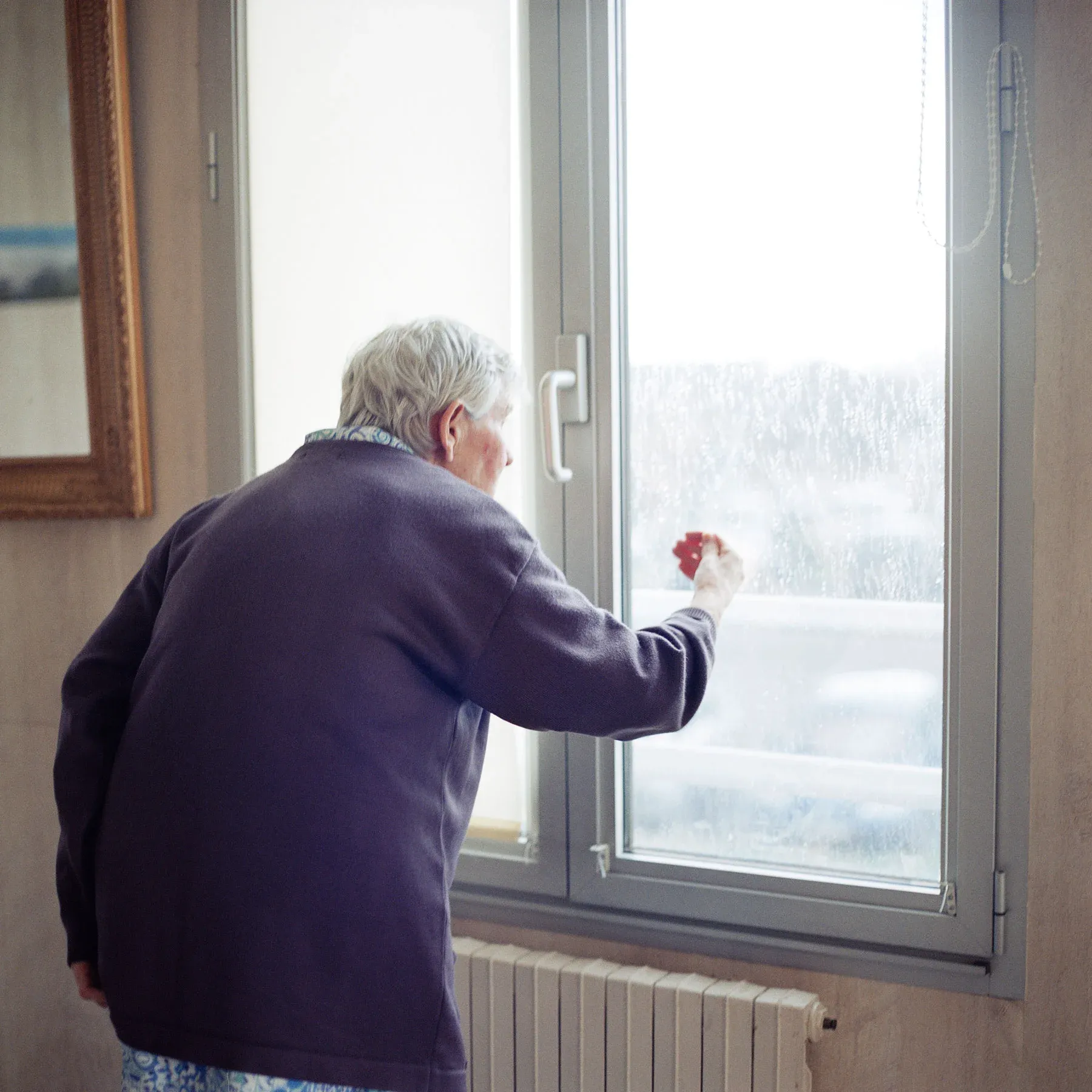
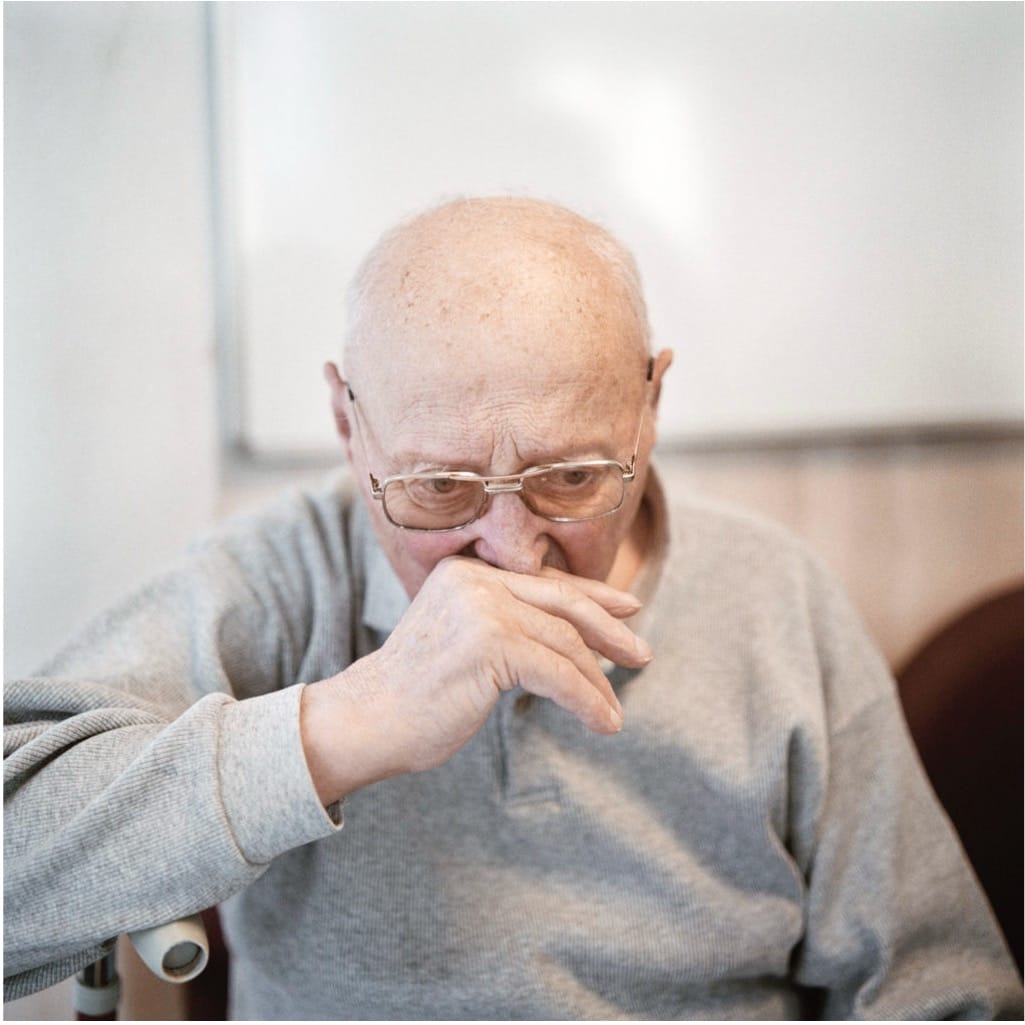
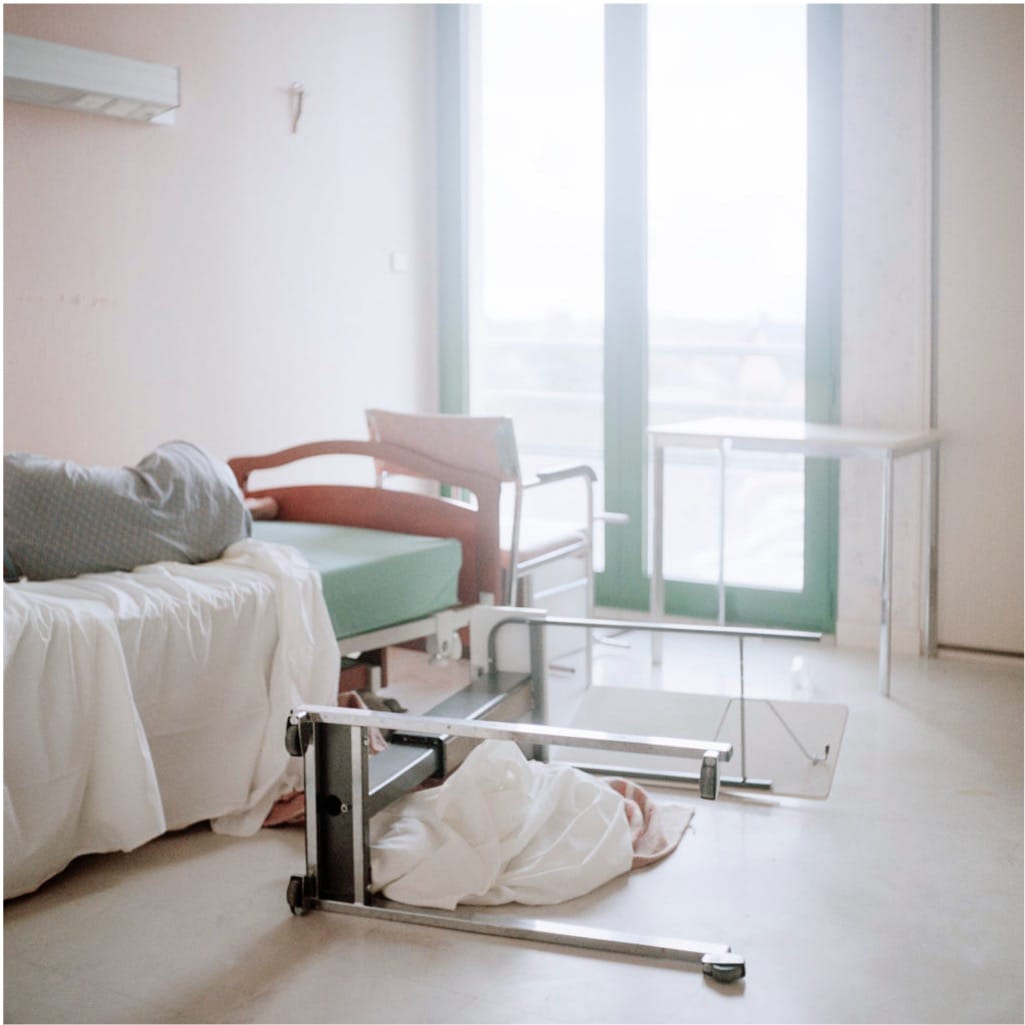
The ‘Into Oblivion’ project was created by Maja Daniels between 2007 and 2010 in a French geriatric hospital outside of Paris. This project focuses on the daily lives of Alzheimer’s patients. Daniels decided to document not only the patients but also, the families of the patients.
Once completed, Daniels showed the staff the heartbreaking images. They found it upsetting but also acknowledged the symbolic necessity behind the locked door.
Daniels wanted this project to spur discussions and help think about healthcare policies in new ways. “She said she hopes that the series will help people to think about health care policies in a new way” (Simcox, 2025)
“In 2016, the series was awarded [..] a $5000 grant for visual storytelling about Alzheimer’s disease and dementia.” (Moffitt, 2021)
Publications:
2019 Elf Dalia, published by MACK books
Films:
2015 My other Half
2018 My Friend Barbro
2020 Hauntings
2025 Her Little Reds
Solo Exhibitions:
2007-2010:
• Into Oblivion
2013
• Prix Contour Getty Images
2018 & 2019
• Elf Dalia – her book
2020:
• Uppsala Short Film Festival: “The Hauntings”
2023:
• On the Silence of Myth
2024:
• Gertrud
Group Exhibitions:
2013:
• THRESHOLDS
2014:
• 21st Noorderlicht International Photofestival
2019:
• Her Ground: Women Photographing Landscape
2019-2020
• Undercurrents
2025:
• The Origin of the World
• SORTILÉGES
Awards:
2011:
• Taylor Wessing Portrait Prize
2012:
• Sony World Photography Awards – 2nd Place People, Professional Competition
2013:
• Contour by Getty Prize
2018:
• Winner Fotografiska Documentary Award (“My friend Barbro”)
2019:
• Codice Mia Photographic Award
• Nominated for the Aperture-Paris Photo first Book Award (“Elf Dahlia”)
2020:
• Winner Swedish Photo Book of the Year Award (“Elf Dahlia”)
2024:
• International Collotype Competition HARIBAN AWARD 2024 Grand Prize Winner Exhibition
References:
- Alzheimer's Society. (2025). What is Alzheimer's disease?. [Online]. Alzheimer's Society. Last Updated: 2025. Available at: https://www.alzheimers.org.uk/about-dementia/types-dementia/alzheimers-disease [Accessed 31 October 2025].
- Anete Lusina. (2022). By the Numbers: The Underrepresentation of Women in Photography. [Online]. Petapixel. Last Updated: 2022. Available at: https://petapixel.com/2022/03/03/photography-statistics-show-poor-representation-for-women/ [Accessed 31 October 2025].
- Cameras for Girls. (2025). Overcoming Gender Barriers in Photography: Challenges and Triumphs. [Online]. Cameras for Girls. Last Updated: 2025. Available at: https://www.camerasforgirls.org/blog/overcoming-gender-barriers-in-photography-challenges-and-triump [Accessed 31 October 2025].
- Celia Rose Jackson. (2019). Women were photography pioneers, yet gender inequality persists in the industry today. [Online]. The Conversation. Last Updated: 2019. Available at: https://theconversation.com/women-were-photography-pioneers-yet-gender-inequality-persists-in-the-in [Accessed 31 October 2025].
- Creative Future. (2025). What do we mean by underrepresented?. [Online]. Creative Future. Last Updated: 2025. Available at: https://www.creativefuture.org.uk/who-we-are/what-does-under-represented-mean/ [Accessed 31 October 2025].
- Jon Feinstein. (2020). 7 Photographers on Alzheimer's, Dementia, and Heartbreaking Memory Loss. [Online]. VICE. Last Updated: 2020. Available at: https://www.vice.com/en/article/7-photographers-on-alzheimers-dementia-and-heartbreaking-memory-loss [Accessed 31 October 2025].
- Macaulay Lerman. (2020). Maja Daniels: Storytellers. [Online]. Lenscratch. Last Updated: 2020. Available at: makingsenseofalzheimers.org/into-oblivion/ [Accessed 29 November 2025]. [Accessed 30 November 2025].
- Maja Daniels. (2016). Maja Daniels, Sweden. [Online]. World Photography. Last Updated: 2025. Available at: https://www.worldphoto.org/team-profile/maja-daniels-sweden [Accessed 31 October 2025].
- Shannon Simcox. (2025). 'Into Oblivion'. [Online]. Making sense of Alzheimer's. Last Updated: 2025. Available at: https://makingsenseofalzheimers.org/into-oblivion/ [Accessed 29 November 2025].
- Will Moffitt. (2021). Maja Daniels on documenting people with Alzheimer's in a French hospital. [Online]. British Journal of Photography. Last Updated: 2021. Available at: https://www.1854.photography/2021/09/maja-daniels-altzheimers-day/ [Accessed 31 October 2025].
My Argument: The Forgotten Image, Alzheimer’s and Photography’s Blind Spot
The existing portrayal of Alzheimer’s by photographers is inadequate. Too many are focusing on the disease rather than sharing the individual’s story. We need a compassionate approach to storytelling, one that places the individual at the heart.
Alzheimer’s is the “most common type of dementia, making up 60-80% of [..] dementia cases in the UK” (UK Dementia Research Institute, 2025) There are “currently estimated to be 982,000 people with dementia in the UK [..] this number is expected to rise to 1.4 million by 2040” (Alzheimer’s Society, 2025).
Alzheimer’s isn’t always portrayed in the way the individuals themselves want it to be. It is portrayed from an outsider’s perspective and focuses on the illness itself, rather than prioritising the individual’s story from their own perspective. By this, I mean that most photographers who work with patients simply take photographs of them; they don’t stop to consider how the patient would share their story, instead focusing on the disease.
“The effects of the condition are often subtle and may be mistaken for the normal signs of ageing.” (UK Dementia Research Institute, 2025) As Alzheimer’s progresses, it can significantly impact communication, decision-making, and independence. This means it may be difficult for individuals to communicate their story; this is where photographers should encourage and help those in need to tell their story through photographs.
“Many people with disabilities say that for decades, they’ve felt invisible— as if they were hidden in plain sight.” (Brodey, 2019). This statement supports my argument, but it is simply not good enough. We should encourage more people not to hide their disabilities, but instead to shine with them. This is why we need to create awareness of Alzheimer’s and the harsh realities of living with it to be able to keep the disease at the forefront for future generations.
“Alzheimer’s disease crucially influences the images of an advanced age and represent a significant framework for the construction of anxieties regarding aging” (Marhankova, 2023) the Creative Salon argues “In the fight against dementia, creativity is emerging as a vital tool for change. By combining bold storytelling with genuine compassion, Alzheimer’s Society [..] are tackling stigma, driving awareness, and inspiring action in the face of one of the UK’s greatest health challenges.” (Creative Salon, 2024)
As designers, we should recognise people who are struggling and want to bring their problems/diseases to light, sharing the truth from their stories and experiences throughout life. As designers, we can help people suffering from this disease in multiple ways, including through photography, films, and imagery in the form of posters and the like.
Photographers such as Maja Daniels have recognised this and created the ‘Into Oblivion’ project. This project focuses on patients in a French geriatric ward who lack sufficient caregivers to keep them engaged and entertained while they are on the ward. “In moments when residents experience a strong urge to go home, they might find themselves at the locked door at the edge of a ward caring for those with Alzheimer’s disease.” (Simcox, 2025). The wards for Alzheimer’s patients all over the world are tremendously understaffed, and therefore, the patients don’t get enough attention and get frustrated and angered when the simplest of tasks don’t go the way they want them to.
Daniels believes “Good photography is more about the emotions that come with it or the questions the viewers are asking when they are looking at the picture.” (Smyr, 2016) This supports my argument.
In summary, Alzheimer’s is a harsh disease that will affect many people. The stories of those living with disease need to be told “through campaigns like The Long Goodbye, they are proving that creativity has the power to make the invisible visible – and to mobilise a nation in the fight against dementia.” (Creative Salon, 2024).
Bibliography:
- Alzheimer's Society. (2025). How many people in the UK have dementia. [Online]. Alzheimer's Society. Last Updated: 2025. Available at: https://www.alzheimers.org.uk/blog/how-many-people-have-dementia-uk [Accessed 29 November 2025].
- Creative Salon. (2024). Unvarnished Truths: How Creativity Can Shift Perceptions Of Dementia. [Online]. Creative Salon. Last Updated: December 2024. Available at: https://creative.salon/articles/features/creativity-at-the-heart-of-the-fight-against-alzheimer-s [Accessed 30 November 2025].
- Denise Brodey. (2019). Changing How The World Sees Disability One Photo At A Time. [Online]. Forbes. Last Updated: 2019. Available at: https://www.forbes.com/sites/denisebrodey/2019/03/20/changing-how-the-world-sees-disability-one-phot [Accessed 29 November 2025].
- Jaroslava Hasmanová Marhánková. (2023). The role of dementia and Alzheimer's disease in older adults' representations of aging and anxieties regarding one's own. Journal of Aging Studies. 65(1), p.Abstract. [Online]. Available at: https://www.sciencedirect.com/science/article/abs/pii/S0890406523000282 [Accessed 30 November 2025].
- Ksenia Smyr. (2016). Maja Daniels: When You Finish a Project, It Is Like You Lose a Part of Yourself. [Online]. Bird in Flight. Last Updated: January 19 2016. Available at: https://birdinflight.com/en/inspiration/experience/maja-daniels-when-you-finish-a-project-it-is-like [Accessed 30 November 2025].
- NHS. (2024). Alzheimer's disease. [Online]. NHS. Last Updated: 04 July 2024. Available at: https://www.nhs.uk/conditions/alzheimers-disease/ [Accessed 29 November 2025].
- Shannon Simcox. (2025). 'Into Oblivion'. [Online]. Making sense of Alzheimer's. Last Updated: 2025. Available at: https://makingsenseofalzheimers.org/into-oblivion/ [Accessed 29 November 2025].
- UK Dementia Research Institute. (2025). Alzheimer's Disease. [Online]. UK Dementia Research Insitute. Last Updated: 2025. Available at: https://www.ukdri.ac.uk/conditions/alzheimers-disease [Accessed 29 November 2025]