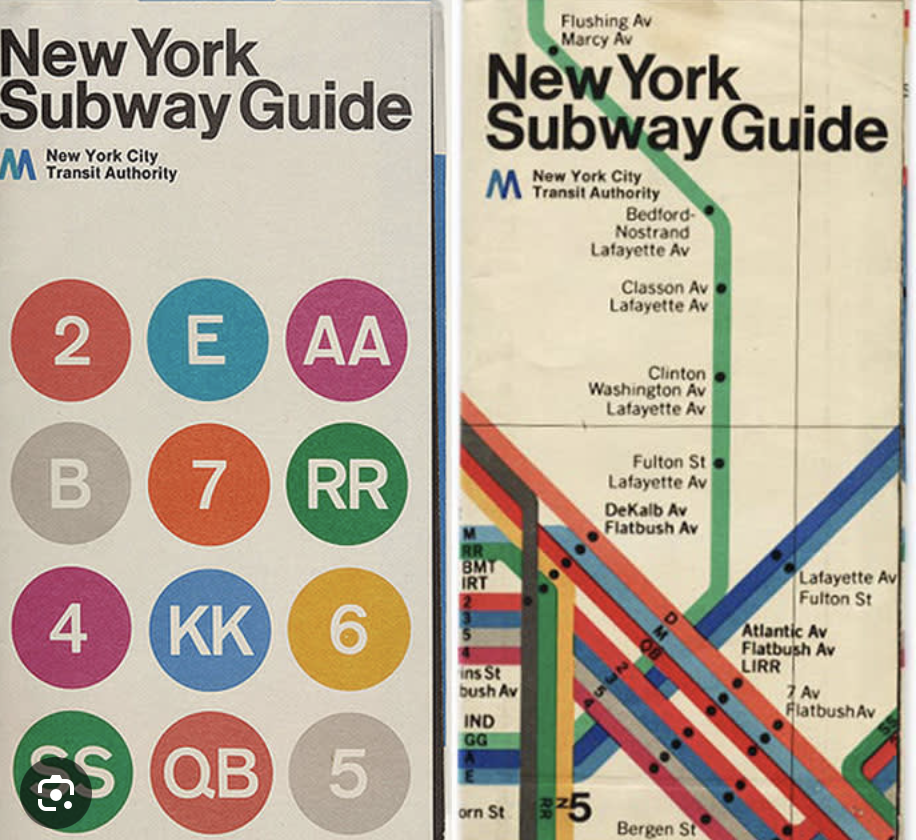
NYC SUBWAY GRAPHIC
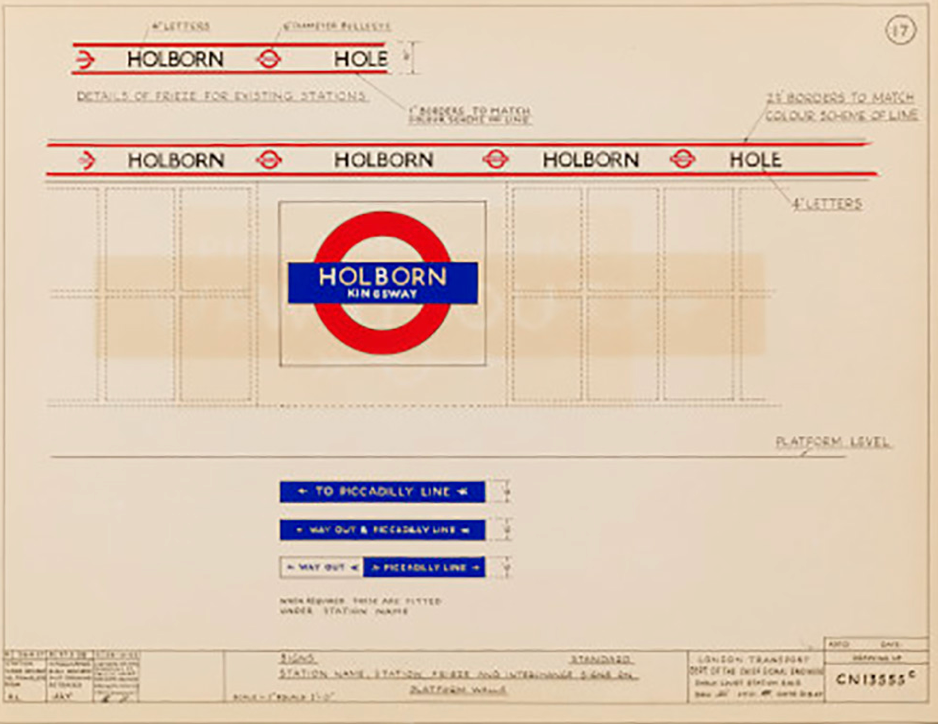
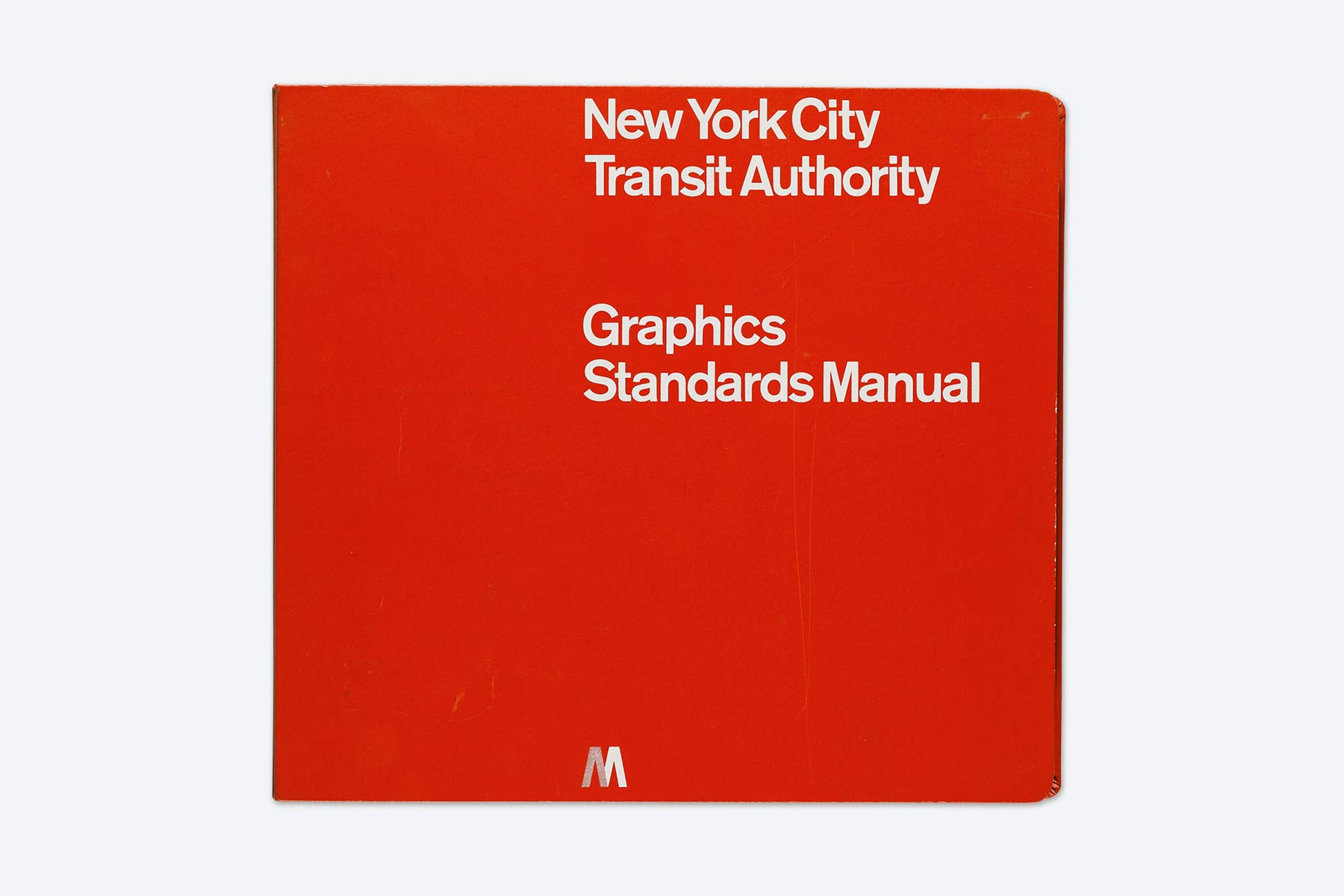
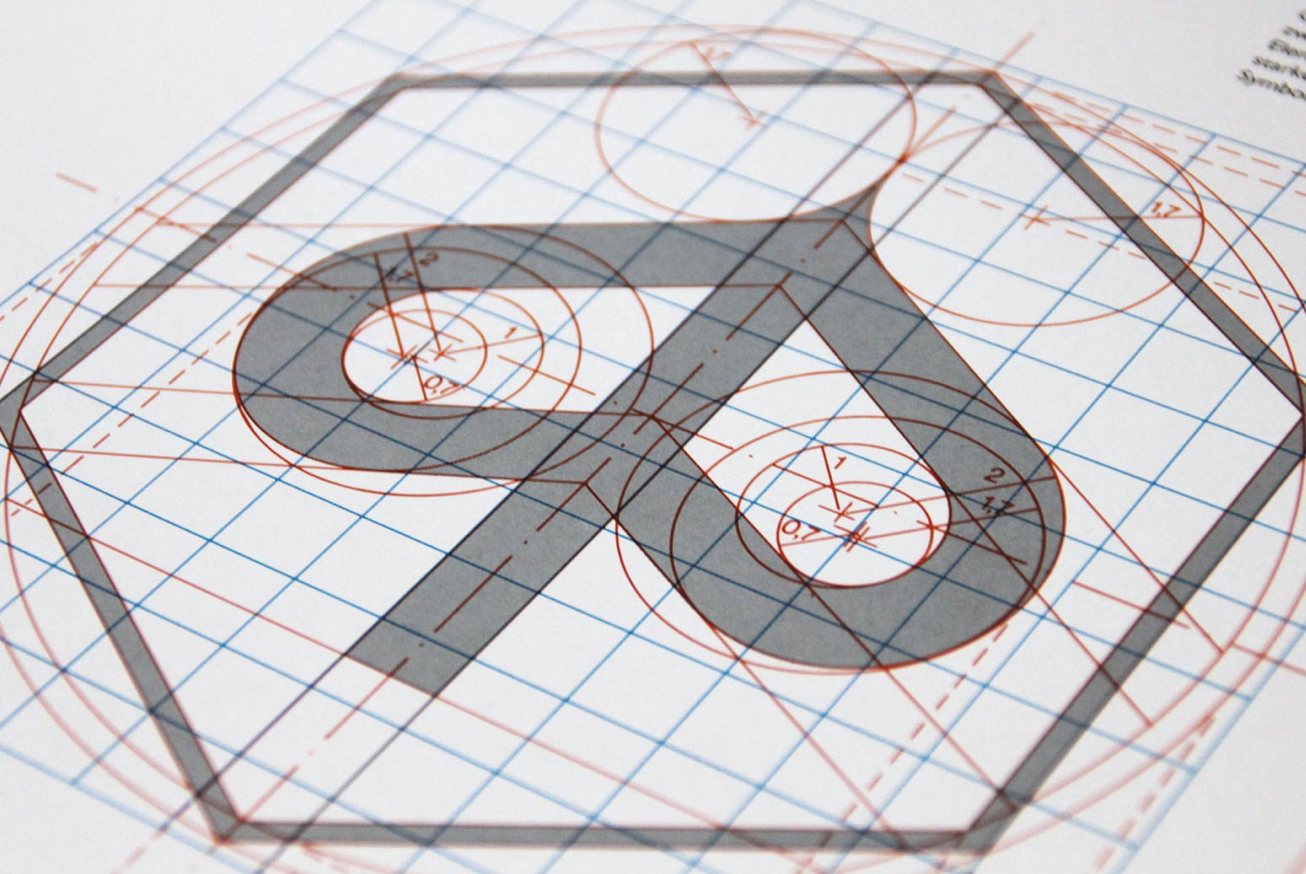
NYC Subway graphic design is famous for the revolutionary 1970s system by Massimo Vignelli and Bob Noorda, which introduced Helvetica (or Standard Medium) and a clean, modular system with color-coded lines and iconic "bullets" (circles for lines) to combat chaos, establishing a timeless standard for urban transit graphics, though their famous abstract map was replaced, influencing modern design.

https://www.ceros.com/blog/nyc-subway-logo/#
https://network9.biz/next-stop-how-design-saved-the-new-york-city-subway/
- At one point New York Times architecture writer Paul Goldberger declared that the signs were so confusing he wished that they weren’t there at all.
- All designers are familiar with the conflict between the purity of design and the messiness of the real world. And New York in the 1970s was messy.
- save the riders from utter confusion
- Design is thinking about how people think
- simplify navigation of the subway
https://standardsmanual.com/products/nyctacompactedition
Emiliano Ponzi's The Great New York Subway Map displays how graphic design can turn chaos to order
“trains, subway stations, and the NYC skyline”, Emiliano’s book tells the story of how Vignelli created an “easy-to-navigate subway map in 1972”. The Great New York Subway Map aims to show how graphic design can be used for “problem-solving” and turning “chaos to order”.
- is it about getting on a train and finding new possibilities
- - nyc is the places of dreams - opportubnies happen
- how graphic design can be used for “problem-solving” and turning “chaos to order”.
The hidden topic of the book was "from chaos to order”: how to synthesise the complexity of the real world into an act of visual communication. Vignelli needed to understand and digest the real subway system before turning it into a map, and the same for me with the whole book.
The NYC subway is the largest in the world by number of stations, with 472 stations, but not the longest by route length. In 2025, it serves nearly six million New Yorkers daily, with millions of trips occurring on a typical weekday. Despite being a massive system that carries large numbers of people, specific ridership data varies, with a daily estimate of approximately 3.2 million on the subway in 2022, and a target of serving nearly six million riders daily in 2025.
Key Subway Figures & Facts
- Size and Scope: The New York City Subway has the largest number of stations, with 472, making it the largest subway system in the world by station count.
- Daily Ridership: In 2025, the system is serving nearly six million New Yorkers daily, with millions of trips on a typical weekday, according to Governor Kathy Hochul.
- Ridership by the Numbers: While the specific daily ridership varies by year, a significant number of trips are made, with around 4 million trips on a typical weekday.
- Performance and Improvement: The system is seeing improvements in ridership and performance in 2025, supported by investments in safer, more reliable, and more frequent service, notes Governor Hochul.
- Historical Context: The New York City Subway began operation in 1904.
- Infrastructure: The system has 425 stations and station complexes, according to the MTA.
- Origin-Destination Data: Data from MetroCard swipes and OMNY taps provide estimates of how riders travel across the system, showing a massive movement of people into Manhattan's central business district each morning and their return in the evening.
People and Riders
- Daily Commuters: Hundreds of thousands of commuters travel to Manhattan's central business district in the morning and then return home in the evening, demonstrating the daily patterns of the city's travel, notes the MTA.
-Fare Evasion: A significant percentage of subway riders, about 14% according to a 2024 report, do not pay the fare, says The American Prospect.
-Safety: Recent data from late summer 2025 shows that major crime rates per million subway rides are down 30 percent from 2022 and are on par with pre-pandemic levels, according to Governor Hochul.
Other Notable Facts - -Busiest Station: The Times Square station is the busiest station in the system, says Untapped New York.
-Oldest Car Model: The oldest train car model still in use is the R46, a 1970s model, notes Untapped New York.
-Broad Channel: The subway station at Broad Channel in Queens is the least used in the system, according to Untapped New York.
How many people get hit by the NYC subway a year? 150 individuals
-Train accidents are, unfortunately, fairly common in New York City. They are such a frequent concern that the New York Post calls subways the “biggest deathtrap” in the -Big Apple. Approximately 150 individuals get hit by trains every year.
What was the worst NYC subway disaster? The Malbone Street wreck remains the deadliest crash in the New York City Subway's history, as well as one of the worst rapid transit crashes in the history of the United States. The reported death toll ranged from 93 to 102, with about 250 injuries.
-A standard New York City subway fare is $2.90 per ride. However, the fare will increase to $3.00 starting in January 2026. You can pay with the OMNY tap-to-pay system using a contactless card or device, or by purchasing a MetroCard (either Pay-Per-Ride or an Unlimited Ride Pass). A new MetroCard itself costs $1
- how many people are travelling on the subway
- what the subway brings to nyc
- the safety/unsafety - people getting hit in the subway - crime in the subway
- top places in nyc - busiest for subway
- Urban Environment: rats, homesless people , litter
- ticket- times - prices
visually i want the page to be as if youre experienecing this these places you get on this subway amnd youre moving youre going somewhere you in the places of opportubnities the sysle of it gets worse before it gets better
youre in a crowd - You can feel excited and energized by the shared experience and social support of a crowd, or you can feel overwhelmed, anxious, and uncomfortable due to sensory overload, feeling trapped, or a heightened fight-or-flight response. The specific emotions depend on individual experiences, the type of crowd, and the surrounding environment. - a large number of people gathered together in a disorganized or unruly way. (definition)