Final submission 5.2

In this module we looked out a few technology based ideas opening hours to new opportunities looking at new tools platforms and using different approaches to designs and any processes we learn on the way


5.2.1 Initiation
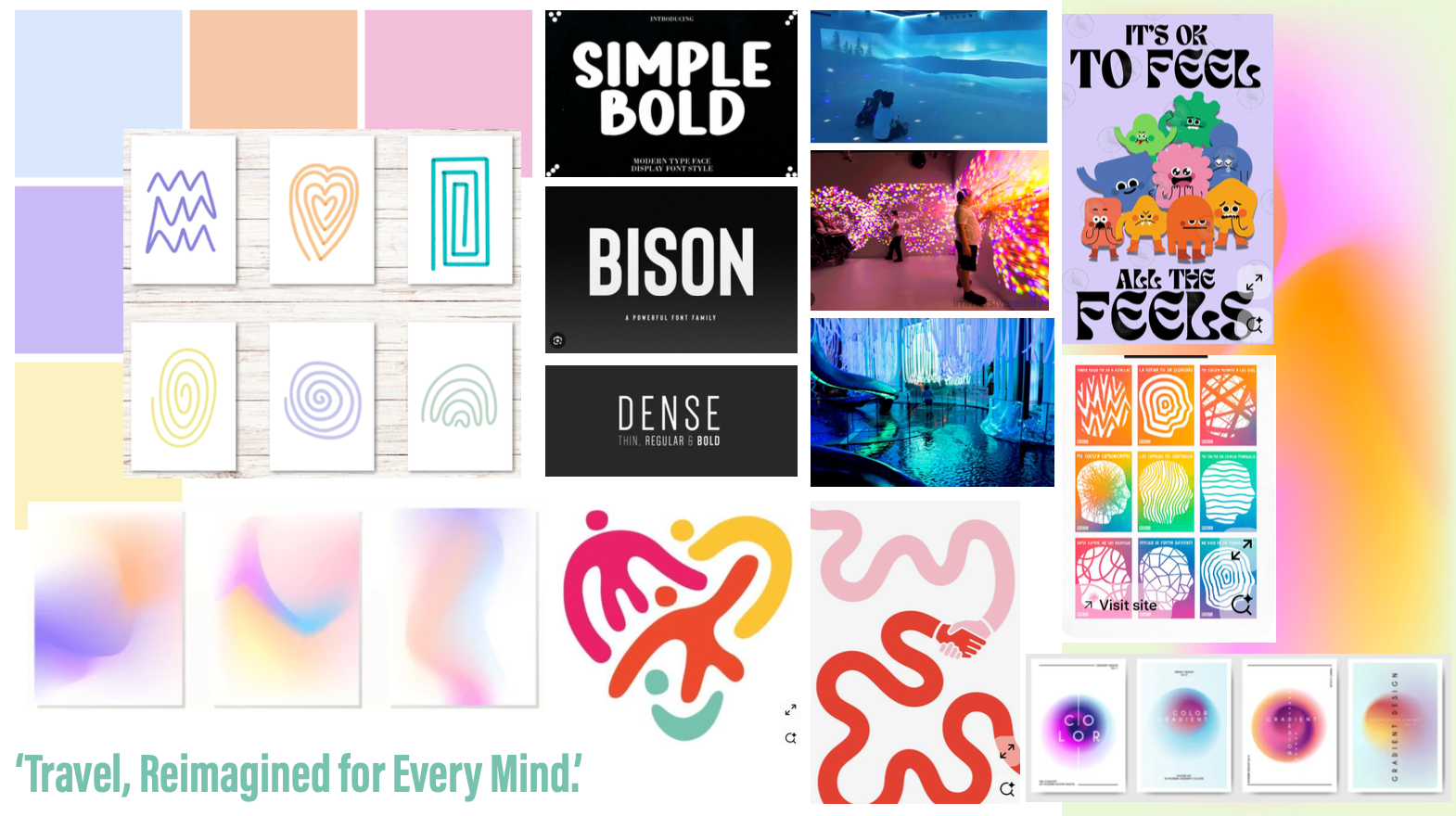
Neurodiversity Campaigns
Our neurodiversity campaign focuses on creating an immersive travel experience that raises awareness and empathy for people with sensory processing difficulties, particularly in chaotic environments like train stations. The project transforms the typical overwhelming travel setting into a calm, guided, and accessible journey, helping participants understand how thoughtful design can

The task: public space public voice I'll be able to create a campaign raise awareness about new diversity in public spaces as a group we came up with an immersive travel experience that raise awareness for people with autism


Title Sequence - Fox
Task : Motion Graphics: Title Sequence Using the techniques and tools used in todays session design a simple Title sequence. 10-20 seconds Before You Animate Ask Yourself: What’s the story or emotion of your sequence? What visual language fits it (minimal, expressive, retro, glitchy)? What’s your soundtrack or rhythm?

The task balls to use a graphics tablet and use the software for a shop and create multiple images which will come together and create a animation video I did plan the video however I felt like I wasn't given enough time and I didn't understand how to use the software enabling me to do the task however out of all the task I fear fear like I would want to go more into this as I've seen other designs similar but not necessarily an animation like we were shown in the session I think in the sessions we got shown how I can use this in other ways outside the classroom it can be a more eye-opening experience.

Robert Hunter
Robert Frank Hunter is a London based illustrator and animation director that works on a range of projects in publishing, advertising, and film. Robert currently works from Lighthouse Studios in east London and is represented by Blink Art and Fillin Global. Illustration: Rob Hunter’s second book, Map Of Days,

Workshop A1: Introduction to 3D Graphics and motion graphics

how I felt:

confused , why is it so complex, I feel like I'm learning the experienced things before the basics, why don't I know what I'm making before I start?

there's a lot of unanswered questions and I found it very difficult to go along when I didn't know the website. I don't know what I'm getting out of learning this? I understand its very tedious, time consuming due to rendering can be costly but as it felt too complex its hard to follow along and understand in my opinion and this carried on throughout majority of the sessions which then I started to not go as I felt I was wasting my time.

what I like: simplicity, flow, easy to understand software/ navigate


5.2.2 Innovation
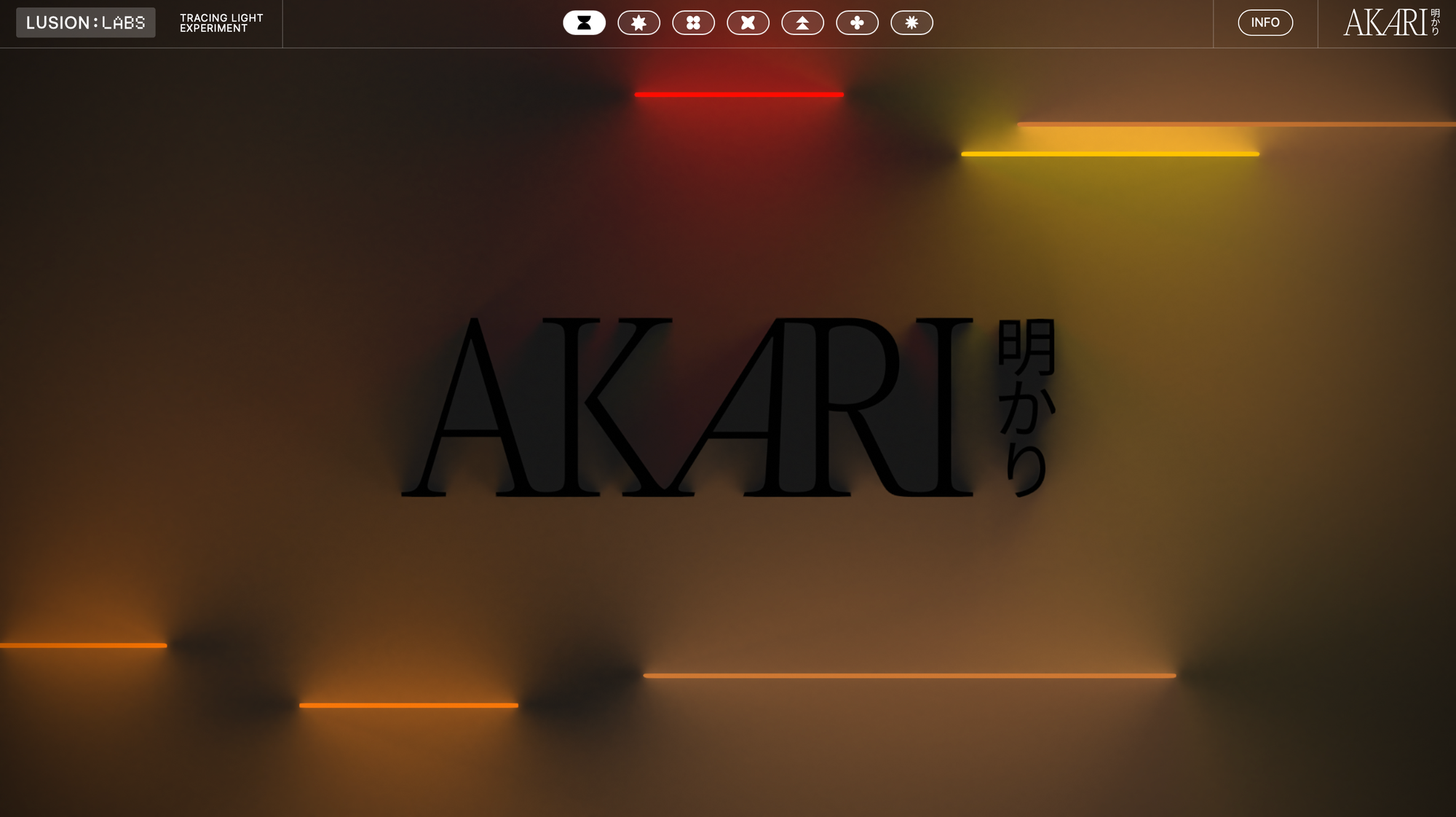
Media Diet - Akari
What is Akari? Akari is an innovative virtual platform created by Lusion, a fusion creative studio based in the UK, specializing in AI-driven digital art, immersive experiences, and interactive web design. Akari offers a unique virtual experience that merges artificial intelligence, cutting-edge visuals, and artistic expression to create a new
Media Diet - Ade Hanft
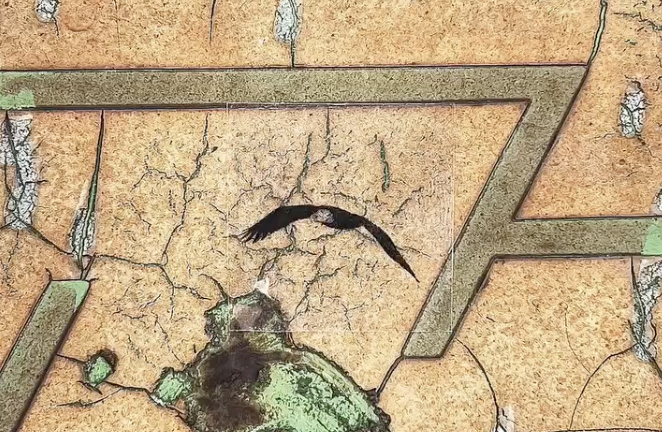
Video of EagleScreen Recording 2025-11-14 at 05.50.32.mov35 MBdownload-circle Who is Ade Hanft? Ade Hanft is a creator and experimental artist from Colorado who’s known for his work with non-traditional materials like receipt paper, shipping labels, cassette tapes, and even coffee stirrers. His art spans various forms
Lando Norris Landing page
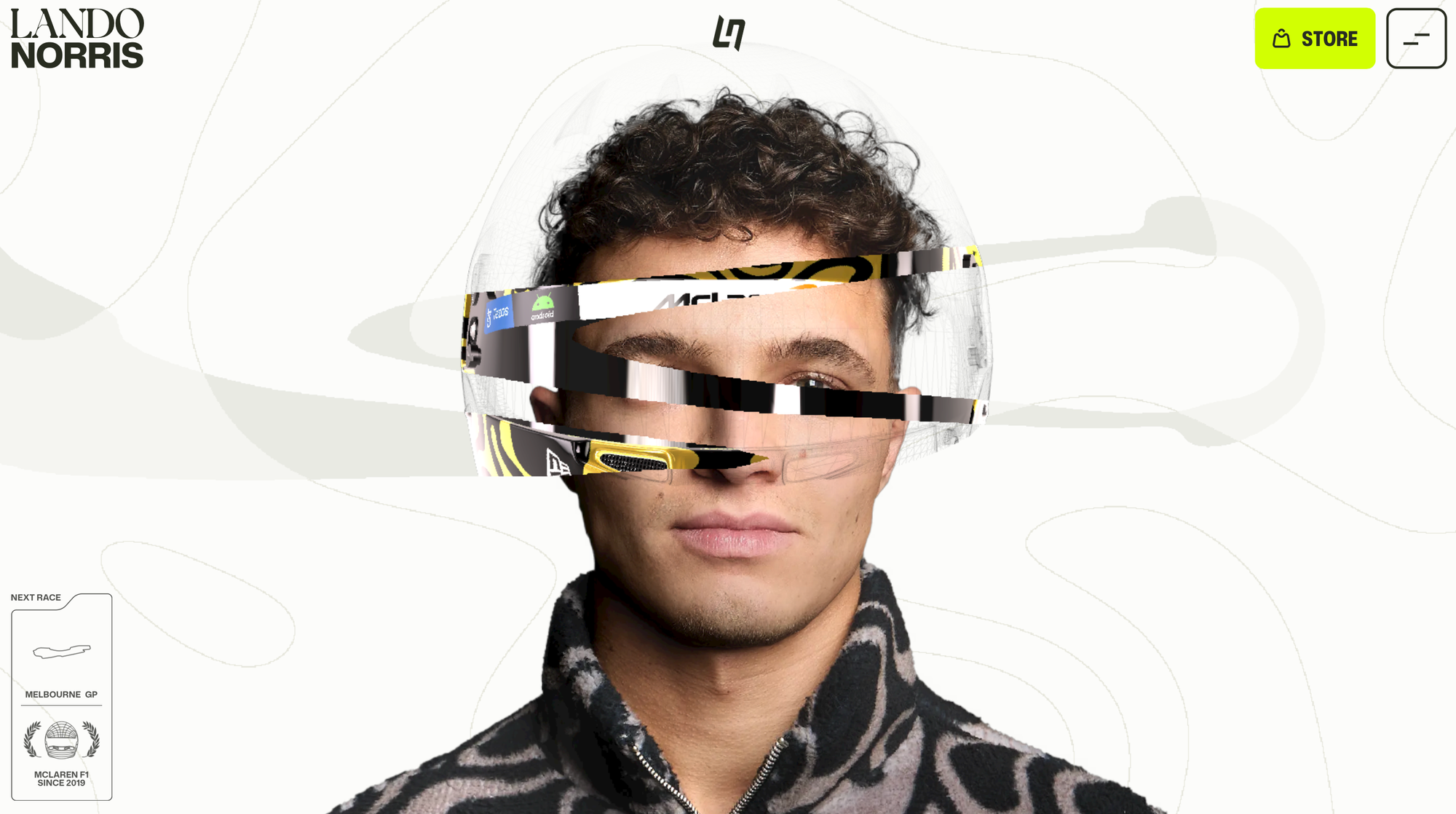
2025 McLaren Formula 1 Driver — Lando NorrisOfficial hub for British racing star Lando Norris: breaking news, 2025 race wins, exclusive merch, videos and behind-the-scenes access.Lando’s signature in lime color Lando Norris Landing Page – Full Overview The Lando Norris landing page is the official website created for Formula 1 driver

figma....experimenting with figma and basic elements
Experimentation with Solar System
I enjoy exploring new technology and techniques in graphic design, such as Figma and Jitter. These tools are easy to use at a basic level, which allowed me to quickly experiment with layouts, motion, and interactive elements. Using them gives me the freedom to test ideas, iterate designs, and explore

Title Design and Animation

from this session, I didn't know specifically where I would be using this however when creating a title sequence I think of films/shows and this is something I'm interested in however not sure about this specific context fitted but using after affects allowed me to put the text in front of the man or slightly behind.


5.2.3 implementation

5.2.3 Work→Flow
1. What parts of your practice make you feel most engaged and creative? Where do you find flow, momentum, or excitement in the process? I find it exciting when I have an initial idea and start figuring out what I want to do, even though I sometimes struggle with where
Light and Shade: exploring creativity’s AI conundrum
As AI systems advance in unstoppable motion, the creative industry faces an era of rapid change. We give pause with Light and Shade, a series interrogating the challenges and opportunities at the heart of the AI-creative conversation. ’It’s not just the new tools that creatives must navigate, but a

Track motion in the jungle: visually the only time I figured id needed to do this was in a movie, I wouldn't remember how to do it again I liked the concept I found it hard to actually get them to connect to the car.


5.2.4 automation
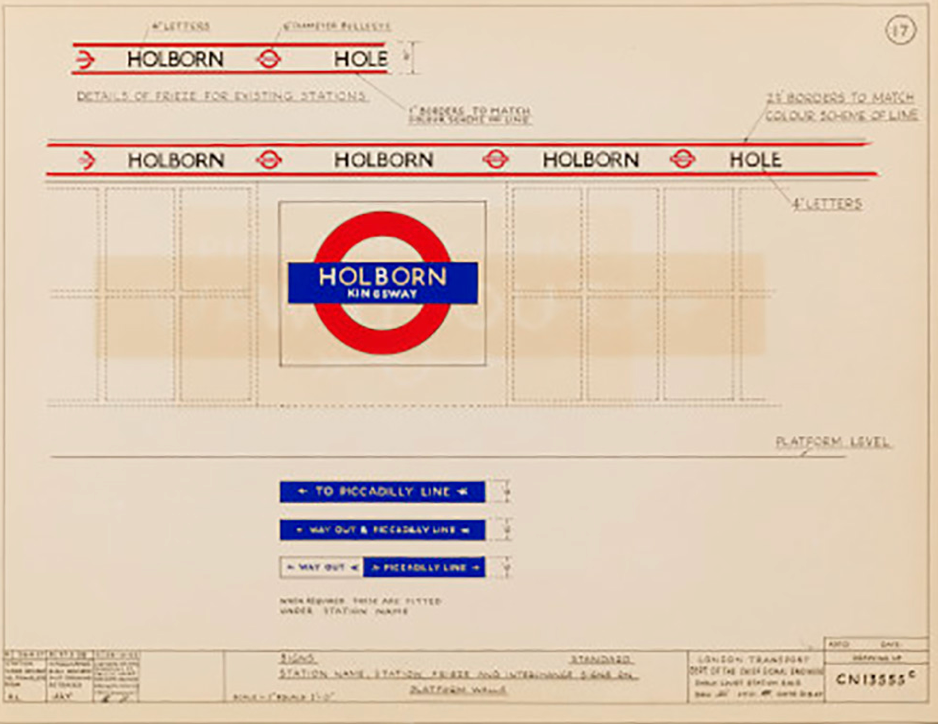
NYC SUBWAY GRAPHIC
NYC Subway graphic design is famous for the revolutionary 1970s system by Massimo Vignelli and Bob Noorda, which introduced Helvetica (or Standard Medium) and a clean, modular system with color-coded lines and iconic “bullets” (circles for lines) to combat chaos, establishing a timeless standard for urban transit graphics, though their
CASEY REAS
Since the early 2000s, Casey Reas has built a practice around writing software to generate images. While this approach links him to earlier traditions of conceptual and systems-based art, it also reflects something specific to computation: its ability to produce variation, repetition, and emergence over time. For Reas, software isn’
brand.motions
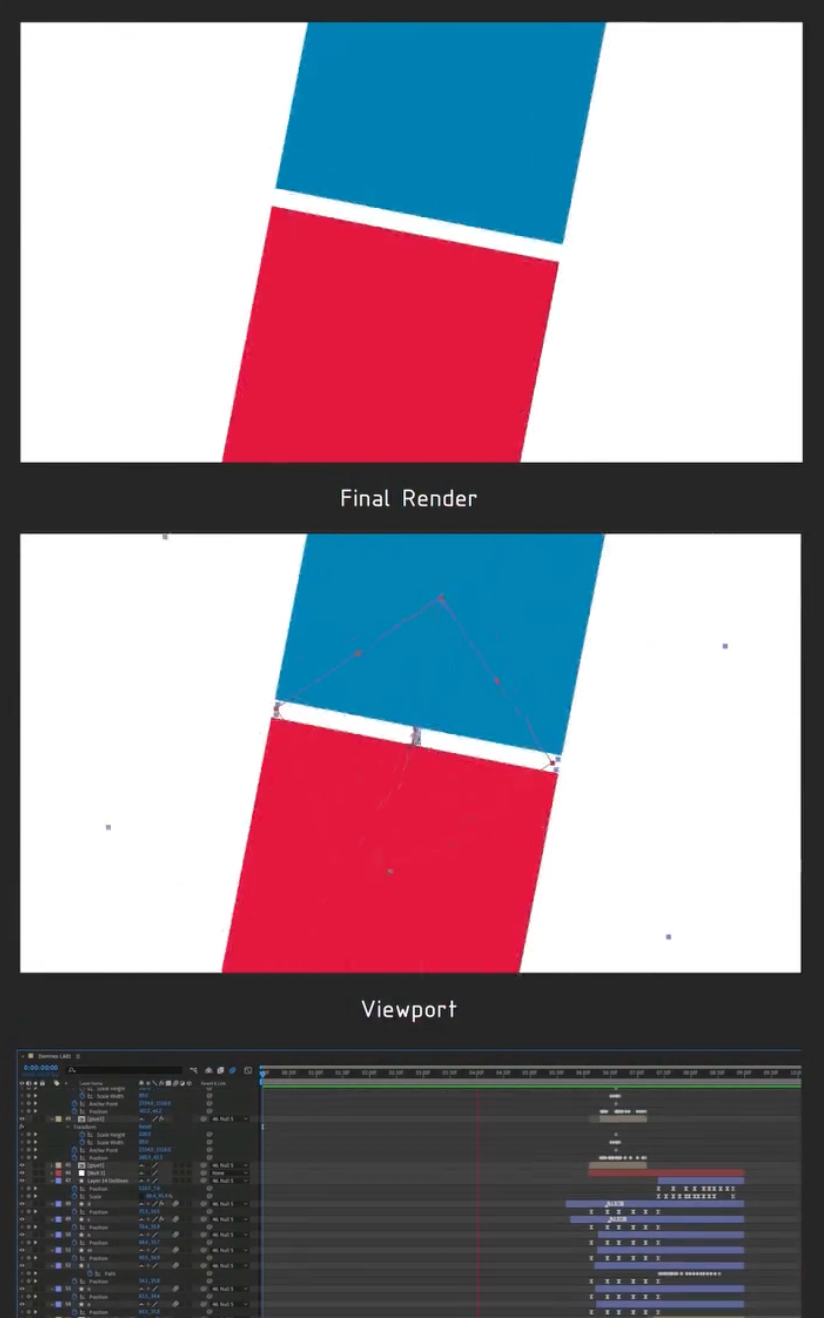
🎬 Behind the Motion Domino’s Logo Animation Here’s a quick look at how I turned the Domino’s logo into motion. From keyframes to sound sync every little move adds to that satisfying visual flow. If you’re into motion design, remember: it’s not just about movement, it’
Anna Mills
Anna Mills (annam.lls) is a distinctive Bristol/London-based graphic designer known for playful, animated, hand-drawn typography and lettering for musicians like Wolf Alice, using rough edges, wobbly lines, and a blend of analogue/digital techniques. While her company annamills.co is dissolved, she creates moving posters, typefaces, and merchandise,
Who is guilty?
Guide: How to not screw up the websiteWe have combined the expertise of our agencies to help designers and developers reduce errors on projects and catch the same vibe. A guided checklist when making a website things everyone forgets. I liked the animation and illustration in the guide its very

4x6
plan Type Activation Take your type specimen or poster from the last module. Move it to screen and investigate how the type’s character changes or expands in a digital environment. What does screen technology (motion, variable axes, interaction, responsiveness) reveal about the typeface that paper couldn’t? Animation A

I often struggle when it comes to understanding complex software. I enjoy the research phase and trying to find tools that feel right for me, and I like playing around with new software to see what it can do. However, once I’ve found a tool I like, I sometimes don’t know what to do next and end up just leaving it without developing the work further.

By documenting my process like this, I’ve realised how useful it is to look back at my experiments without forgetting what I’ve learned. It helps me understand my decisions and gives me something to return to later instead of starting from scratch.

Through this research, I discovered artists such as Casey Reas and Anna Mills, whose hands-on approaches to making influence how I think about my own practice. I also found several studios that are open to creating very specific, project-based designs, which helped me see different ways creative work can be applied.

I’ve realised that some types of animation projects are not for me. However, animation can still be useful in certain contexts, such as branding or drawing/type based animation, when it serves a clear purpose. Understanding when and why to use these techniques has helped me feel more confident in choosing the right tools for each project.