Creative Coding
After looking into coding in a workshop, I decided to do my own research into creative coding. I know very little about it, other than seeing it through this module and seeing figma make use it.
I used this article for my research:
 Michael Barsky
What is creative coding?
Put simply, creative coding is a specialty that utilizes code and programming to create more expressive, designed, and custom web designs. Programming’s versatility and ubiquitous nature makes it especially expressive, allowing it to manifest itself as digital paintings, data visualization, or even robotics.
Unlike the functional focus of most uses of code - like the code lines of a navigation app - creative coding uses programming languages for a solely artistic purpose.
As artists, we generally hold a stigma regarding coding having high barriers to entry, and as engineers, we also hold a stigma surrounding the difficulties of creative expression. However, these fields no longer need to be separate entities, as they are more closely tied than people expect.
You can learn to code by picking up a coding language such as HTML, CSS, and JavaScript. There are many online coding classes and resources available, such as:
This is something I'd be interested in looking into in the future.
Example 0f a Creative Coding product:
Land Lines by Zach Lieberman

One of the most exciting aspects of creative coding is that it’s so readily available. Regardless of where you go in the world, there will always be code present guiding new innovations or digital platforms.
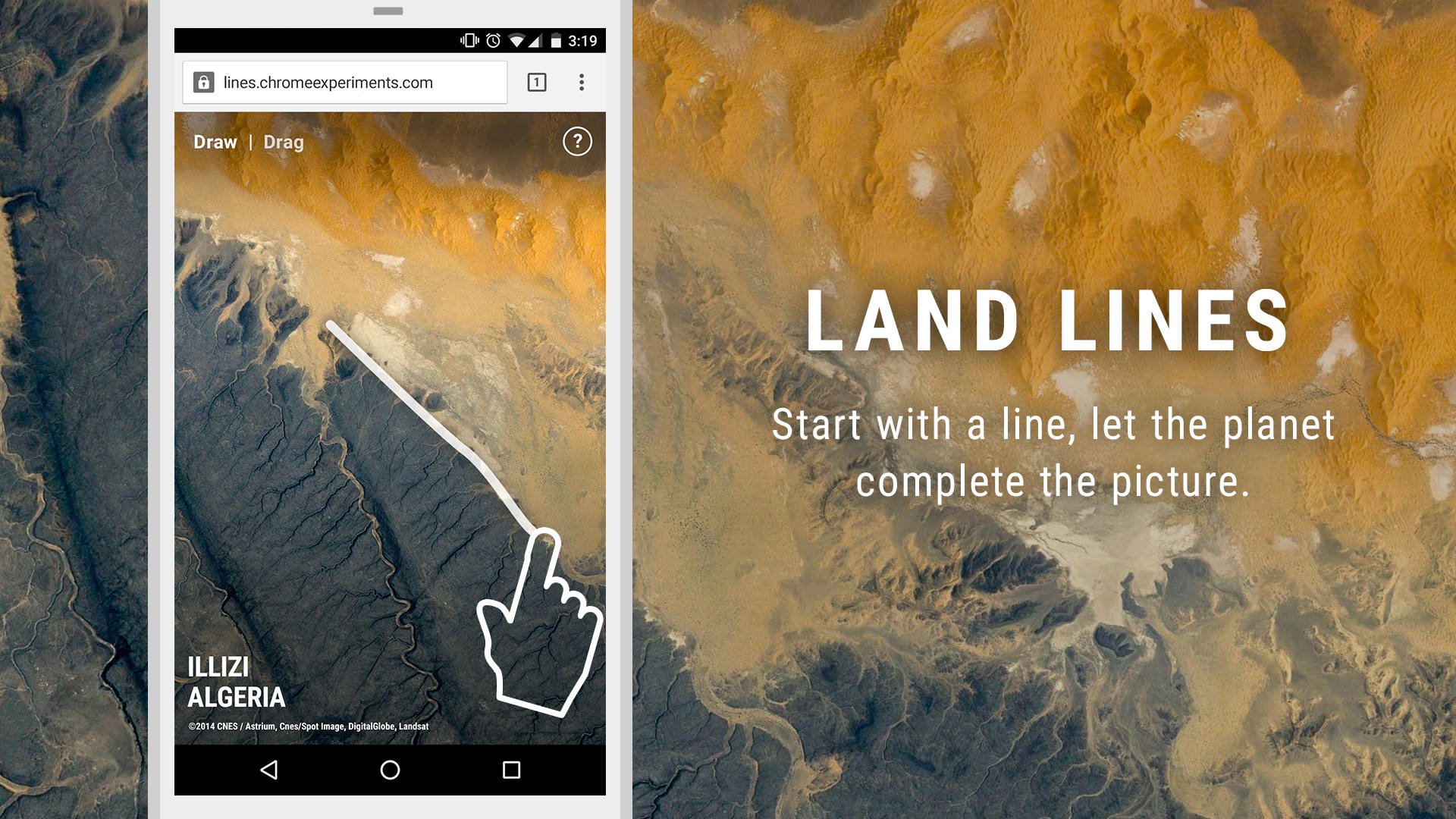
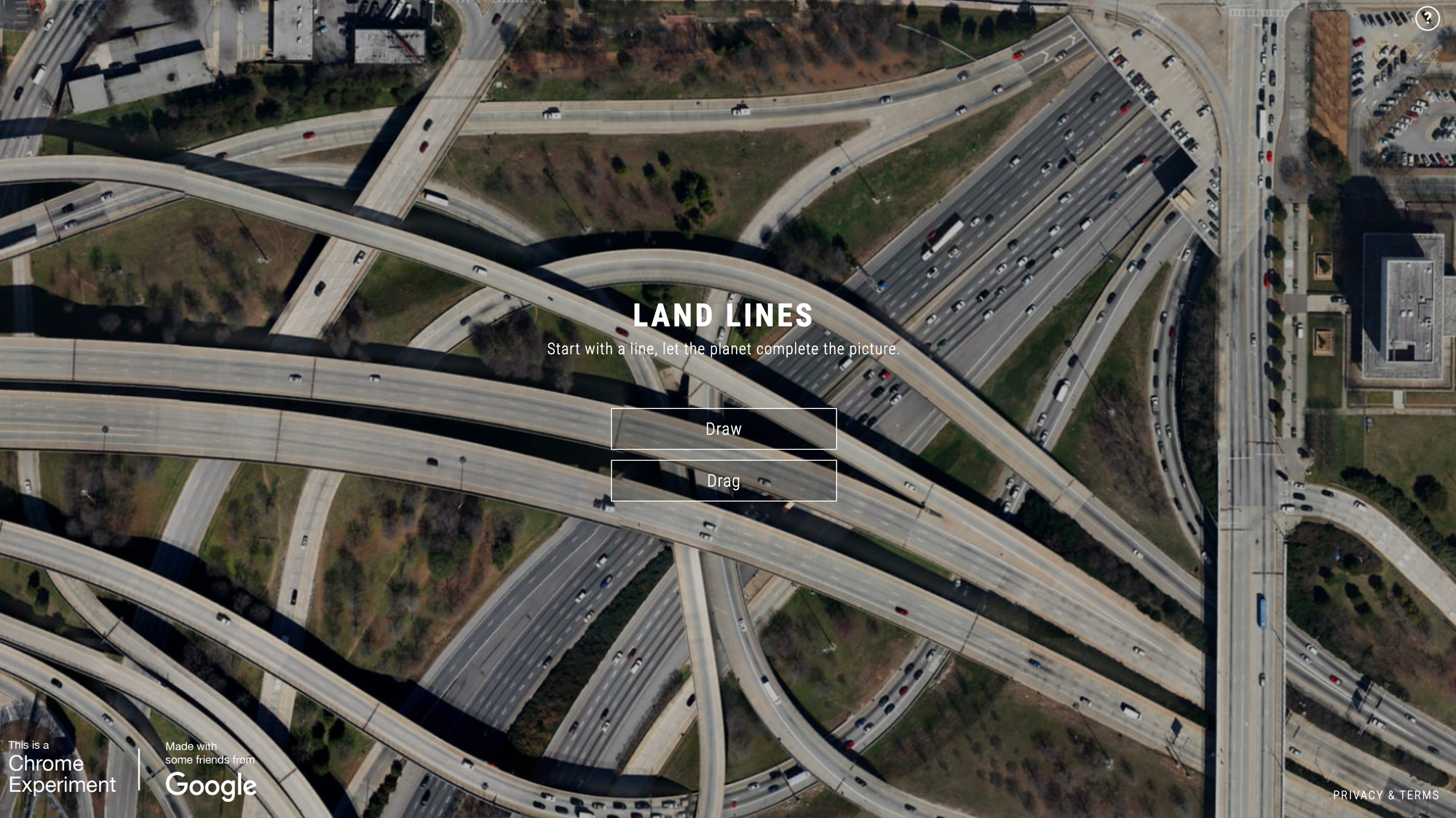
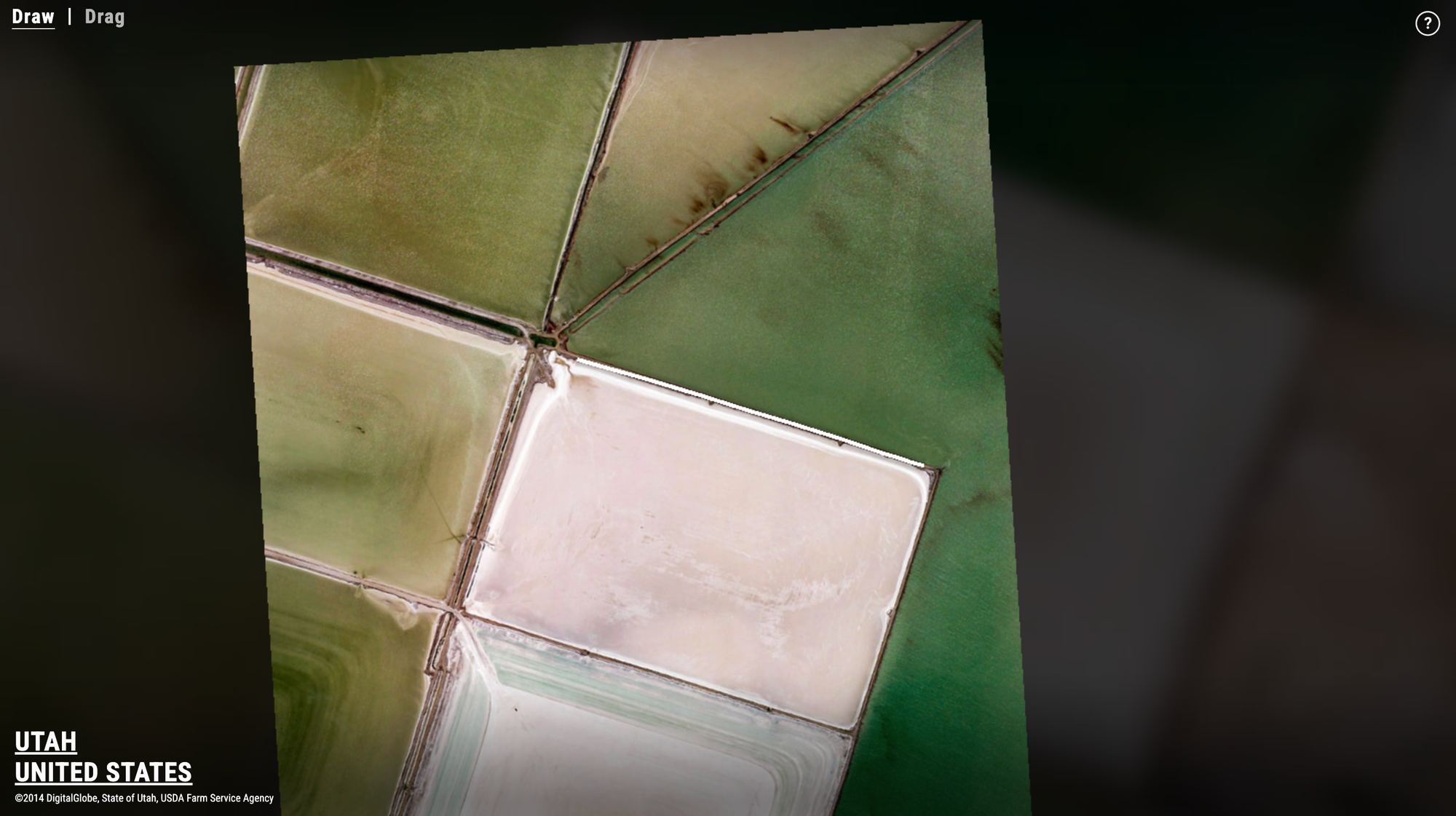
Creative coder Zach Lieberman takes advantage of how constantly present code is in our lives by using Google Maps to create art. In his project Land Lines, Lieberman uses machine learning, optimized algorithms, and card power to harness images from Google Maps and match them with viewers’ drawings.
Lieberman asks his viewers to draw shapes and lines on the screen, which in turn are converted into real spaces on earth that resemble the line they drew.
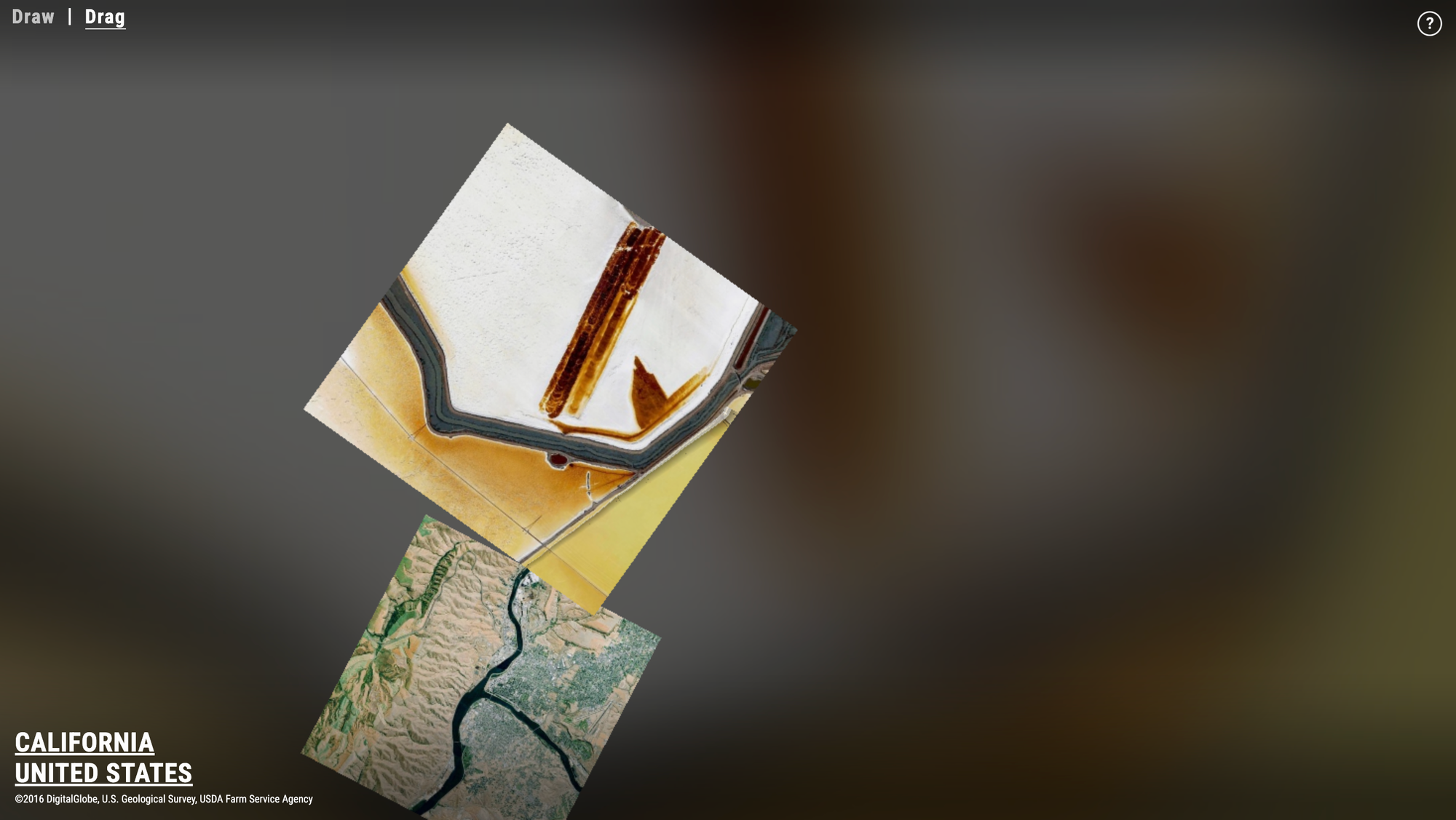
This was a really fascinating immersive tool, and while I don't think I could get to a point where I'm this experienced in coding, it would still be good to learn more.