5.2 Process Document
5.2.1 Public Space, Public Voice (Monday):
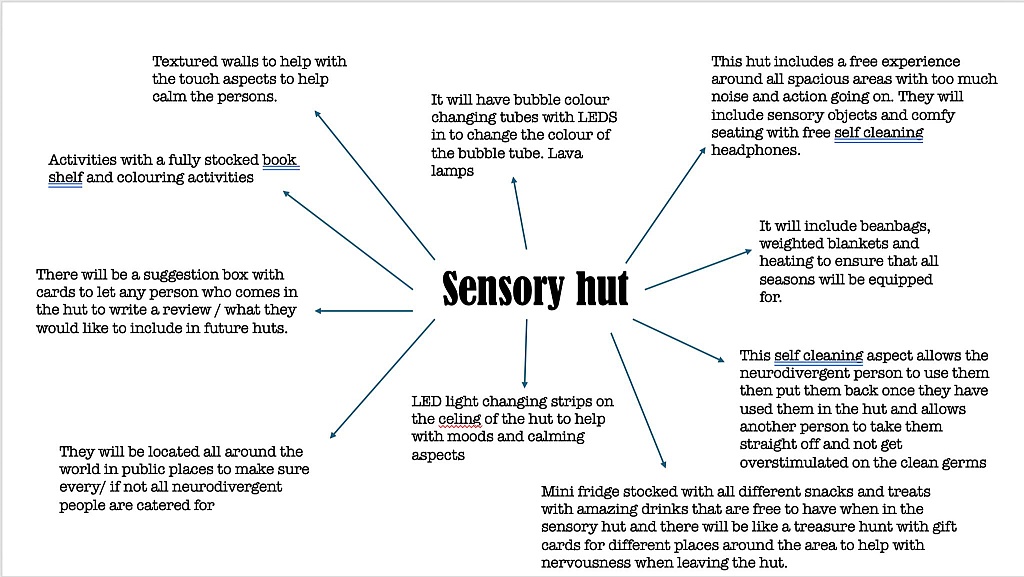
Yesterday's work was enjoyable and interactive. The technologies I used were PowerPoint, paper, and pens. I found using PowerPoint really fun and interactive as we created a mind map. I also loved drawing out the final image of our hut design. We also used Safari as our search engine because it was easy to use and was installed on all our Macs, making it convenient to access. We worked well in our group and had fun brainstorming ideas. It was a fairly cohesive group, and we utilised mind maps to aid in our thought process as we worked through the project brief. I enjoyed developing the design concept for the project and creating the plans for the hut's layout. The design worked really well together and came together in imagery being drawn on paper.
Reflection on this project (from process document):
I loved this project as I love talking through and helping neurodivergent people, as I have dyslexia, so I wanted to give this project my all. It's a very good project to start 5.2 with, as I like doing things to help others. I did love the process of creating and putting my mind maps together; it really made me enjoy the process more. That is what I enjoy about designing: I love using materials and paper to create them.
5.2.1 Animation work (Tuesday):
Reflection on this project (from process document):
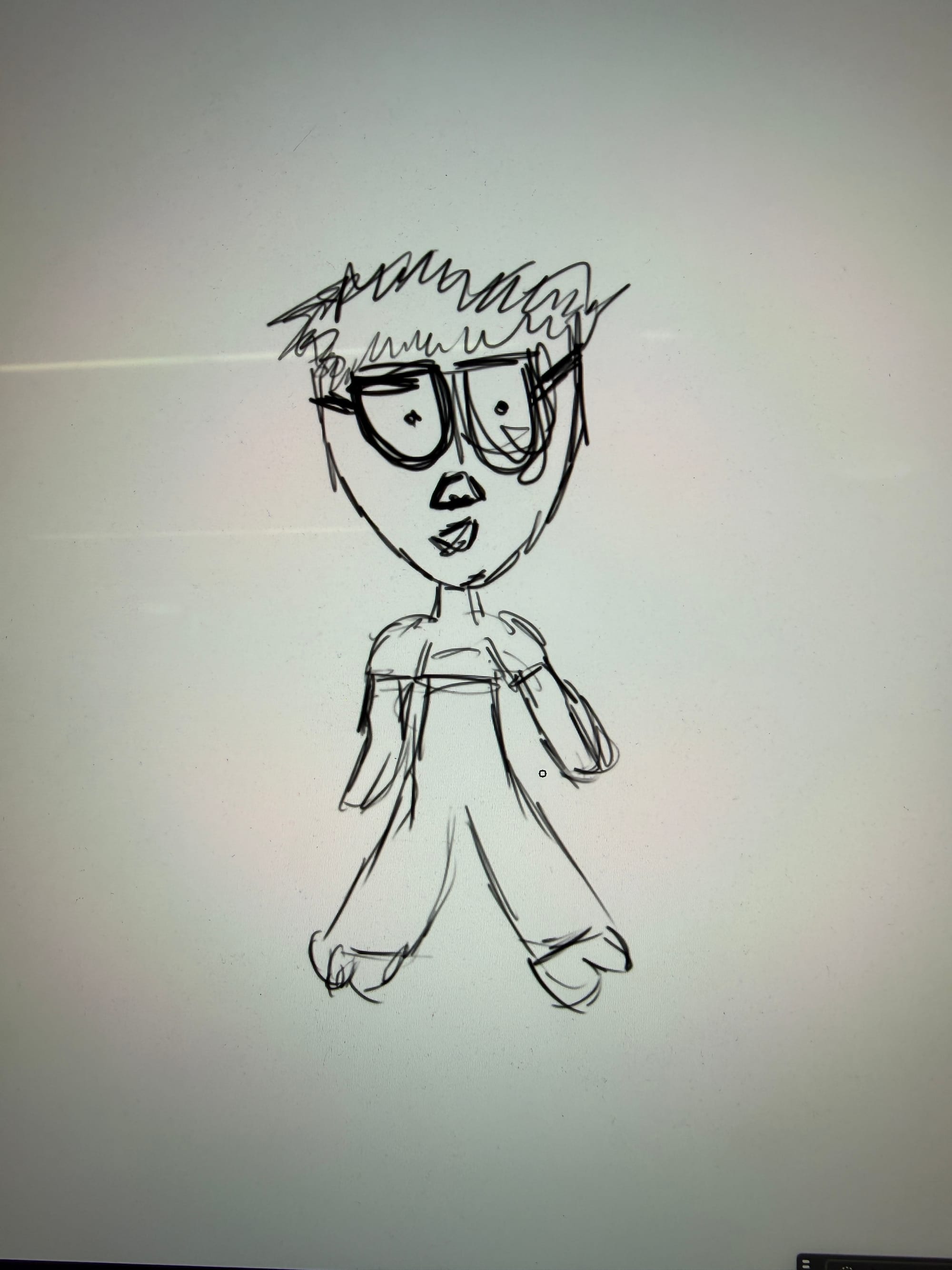
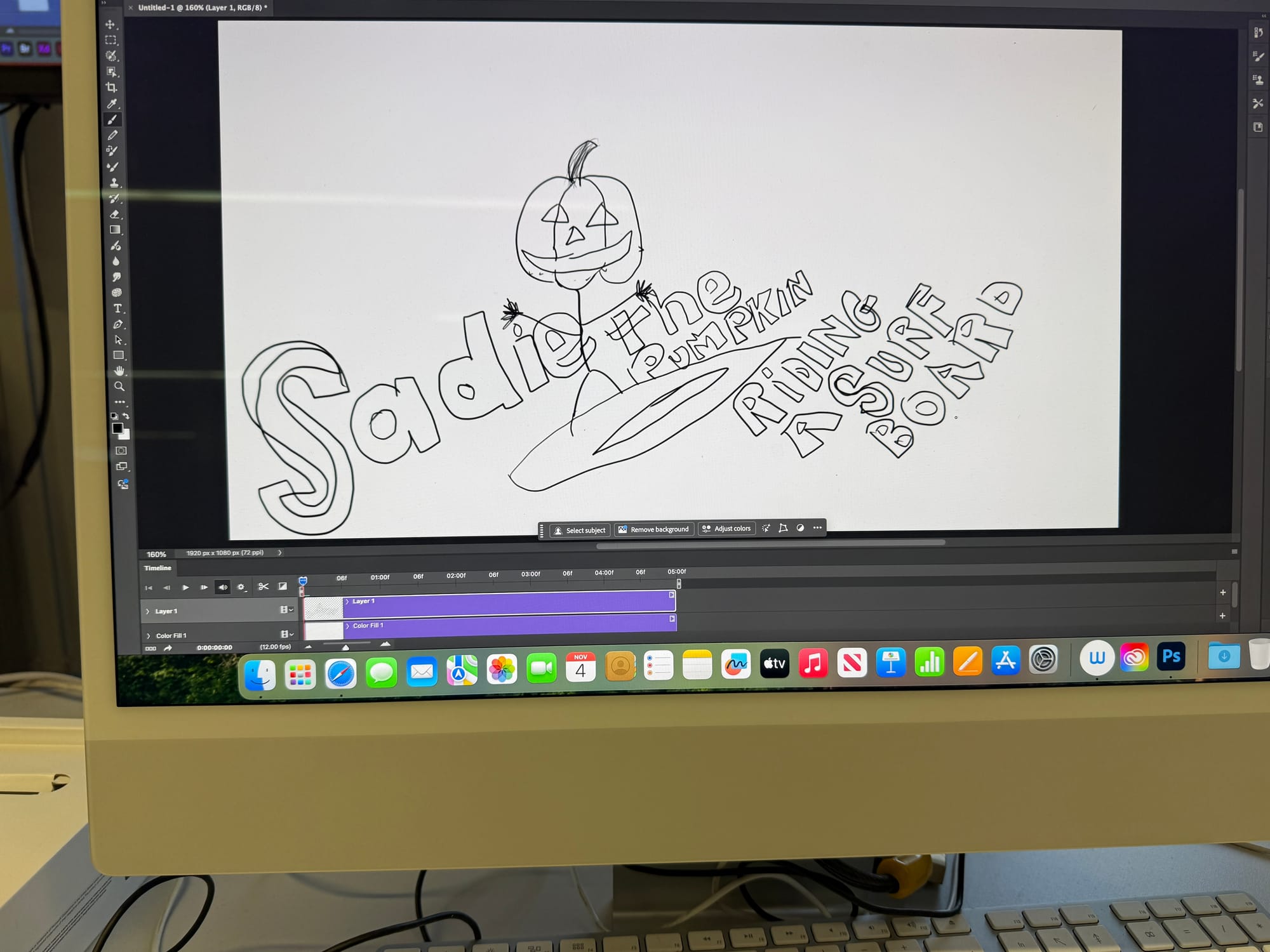
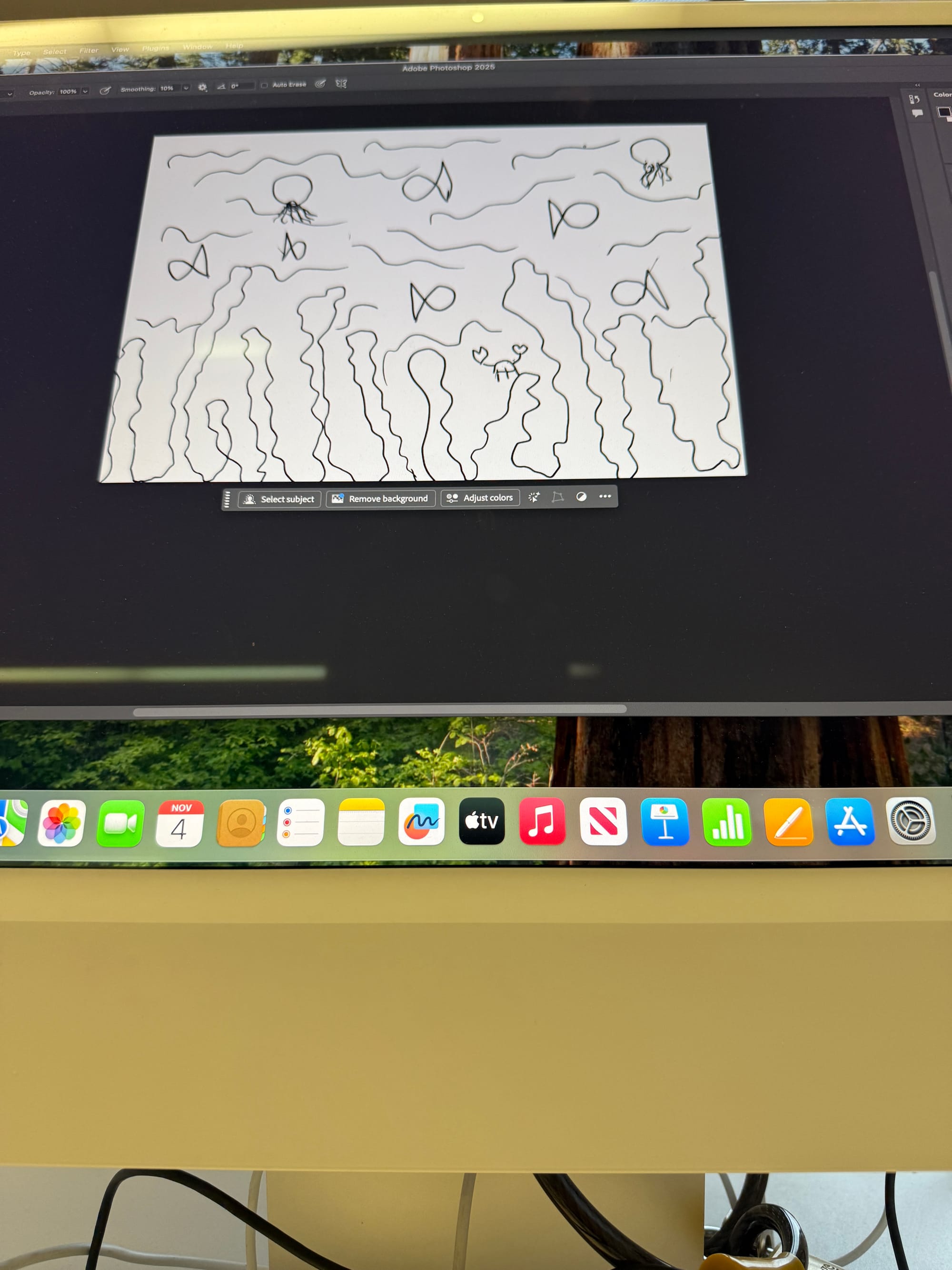
The first Tuesday workshop for me didn't go the best. I tried my hardest to follow along and create the project, but I just couldn't get my head around the Wacom tablet. I tried drawing them out onto the tablet as little sketches, but my hand was just too heavy to create intricate designs. I got confused about how to add times in Photoshop, so I spent time after the lecture drawing different designs in Photoshop. I liked learning about how it is created and how people in this field start designing, but I just don't think this form of design is for me.
5.2.2 Media Diet (Monday):
- WKD advertising: they are a drink brand that showcases all of their different flavoured drinks. I came across them on Instagram when one of their adverts popped up. They are created by Beverage Brand, which is a Belfast-based company. The brand aims to target individuals aged 18-30. Instagram and other social media platforms are areas I want to explore further for advertising and branding.
Big Communications was the company that made the adverts; they are a Leicester-based company. They have been working with WKD for 12 years. They have secured major sponsorships, such as Love Island, where they created advertisements that air during the programme. Below is the LinkedIn profile, which offers job opportunities within the marketing and photography industries.


 The SHS Group
- AU Vodka Branding: In contrast to WKD, which offers a wide range of colours for their cans, AU features a gold bottle branding. This makes them a luxury brand and a well-known one. The brand was founded by Jackson Quinn and Charlie Morgan.
The videography and photography are created by FocalPoint Studio. They focus on marketing content, including YouTube videos, Instagram posts, TikTok videos and website launches. The brand has a huge online following, with new launches occurring periodically to generate more publicity for the brand.
FocalPoint Studios provides brands with marketing assistance in producing videos and social media content to establish and expand their global presence.
- Jagermeisteruk branding: This focuses on maintaining its iconic heritage through modern updates and colours. There are multiple coloured images of the bottle to create the designs for bright jagers. The imagery used is more well-known for the iconic shot. The website design is bright and loud with various colours throughout the site. Their branding is visible throughout social media, as well as in subways, bus stations, and public places. This showcases branding in a broader, more conscious area.
The branding and posters, however, are created by multiple third-party companies. These provide visual elements to the various projects throughout Jager. The companies use Photoshop and Adobe software to create these. There is, however, a standard between fan-based projects that can't be published with the official brand logo, compared to those that can.
Reflection on this project (from process document):
I loved exploring the differences between designing and branding, as branding and advertising are something I want to go into after uni. I did, however, struggle with the research side, as it was challenging to articulate those ideas into words and sentences.
5.2.3 Workflow (Monday):
Part 1: Reflect
What parts of your practice make you feel most engaged?
I find my flow when starting to come up with design ideas and new tasks, especially in Photoshop and InDesign, as I have more experience with these tools, and I love using them when starting new projects. The momentum behind my work has always been starting projects I'm passionate about and experimenting with new techniques to further enhance my process. The excitement comes from working with new design elements and new tools, such as After Effects and more of the Adobe Cloud than I am accustomed to. I love starting new projects because, for me, they become more engaging. I also enjoy collaborating with others on ideas when working with software.
When do you 'actually' feel like you're designing?
When starting a project, beginning with tasks often works better than starting with planning straight away. Having a well-designed plan for approaching my projects works better than starting without one. I create a plan at the start of each project to stay on track. After plans were made, I began by opening various Adobe apps to start designing, so for me, the transition between planning and designing occurs quite early on.
What pain points do you identify in your own workflow?
For me, refining my designs and creating multiple design copies can sometimes be challenging. I struggle with processing briefs most of the time, and it takes me a while to understand what the brief is trying to convey. The briefs are very wordy in my terms; this means that the words overcomplicate the point it is intended to make.
What tasks or steps do you find to be obstacles to designing?
The thing that slows me down the most is reading the briefs and reflecting on projects. With my dyslexia, I find these tasks and getting to grips with how to approach them really challenging. I do, however, have ways to cope with finding these difficult, and that is to take it to my dyslexia tutor to ask for help understanding the points on the brief and to help with creating questions to answer for my reflections based on the projects. These two elements of the project really worry me, and I need a significant amount of reassurance to ensure they proceed smoothly. Most of the time, I have doubts, and if I worry too much about the tiny elements for each project, I know I will not want to start it, so I try not to let it bother me and make sure whenever starting a project, as soon as I have a brief, I book a meeting with my tutor.
Part 2: Research Tools
What tools, techniques, or strategies did you find in your research?
For my work, I create numerous mind maps, and I have a web browser specifically designed for mind mapping, called Bubble. I either use this or pen and paper for the maps, which makes my design and word processing better, as it allows me to get everything down on a piece of paper. I love creating mind maps to write everything down and get my thought process and feelings about the project down at once.
How could these be integrated into your practice?
Using Bubble helps me get everything down, but I prefer to use pen and paper to convey my thoughts and then upload them to specific websites. This helps me process everything for each project, and they are very useful to look back on and see where I was with different tasks.
Part 3: Question
How do emerging tools (including AI) challenge or change what it means to be a designer, and how might your workflow need to adapt?
I believe that instead of using AI as a tool to do the work to use it alongside designing and creating projects. AI isn't a way to create documents, but if you use the tools in the right way, you can use them to help create better outcomes and more advanced responses to help future careers and use AI to develop your learning ability instead of using it to write itself. Things that AI cannot do are your own skillset and what you have already learnt how to do. This could be using materials to create things, or how you work well with Adobe and other designing apps. Using AI means having very automated responses and more concise language, so I use it to help aid my work instead of writing it myself. I believe embracing the change in our industry is essential, as it is an ongoing and constant process of development. However, using AI to help and using it to write things out is completely different for me.
Reflection on this project (from process document):
This task was quite challenging for me to reflect on the work from past projects. I find reflection work really challenging with my dyslexia. This, however, once I got the hang of it, was quite enjoyable to reflect on, and I felt as though writing down my thoughts and feelings about my journey through the course allowed me to self-reflect, and I had grown as a person.
5.2.3 Car on road animation - 5.2.3-6 (Tuesdays):
Reflection on this project (from process document):
I enjoyed doing this task as it was really fun to create things on Adobe After Effects. It took a lot of understanding how to work all the different buttons on After Effects, but I feel that since starting this project and trying my hardest with the help of my peers, I loved working with this equipment and seeing how the development process works when starting with a new brief.
5.2.3 4D Animation starter (Wednesdays):
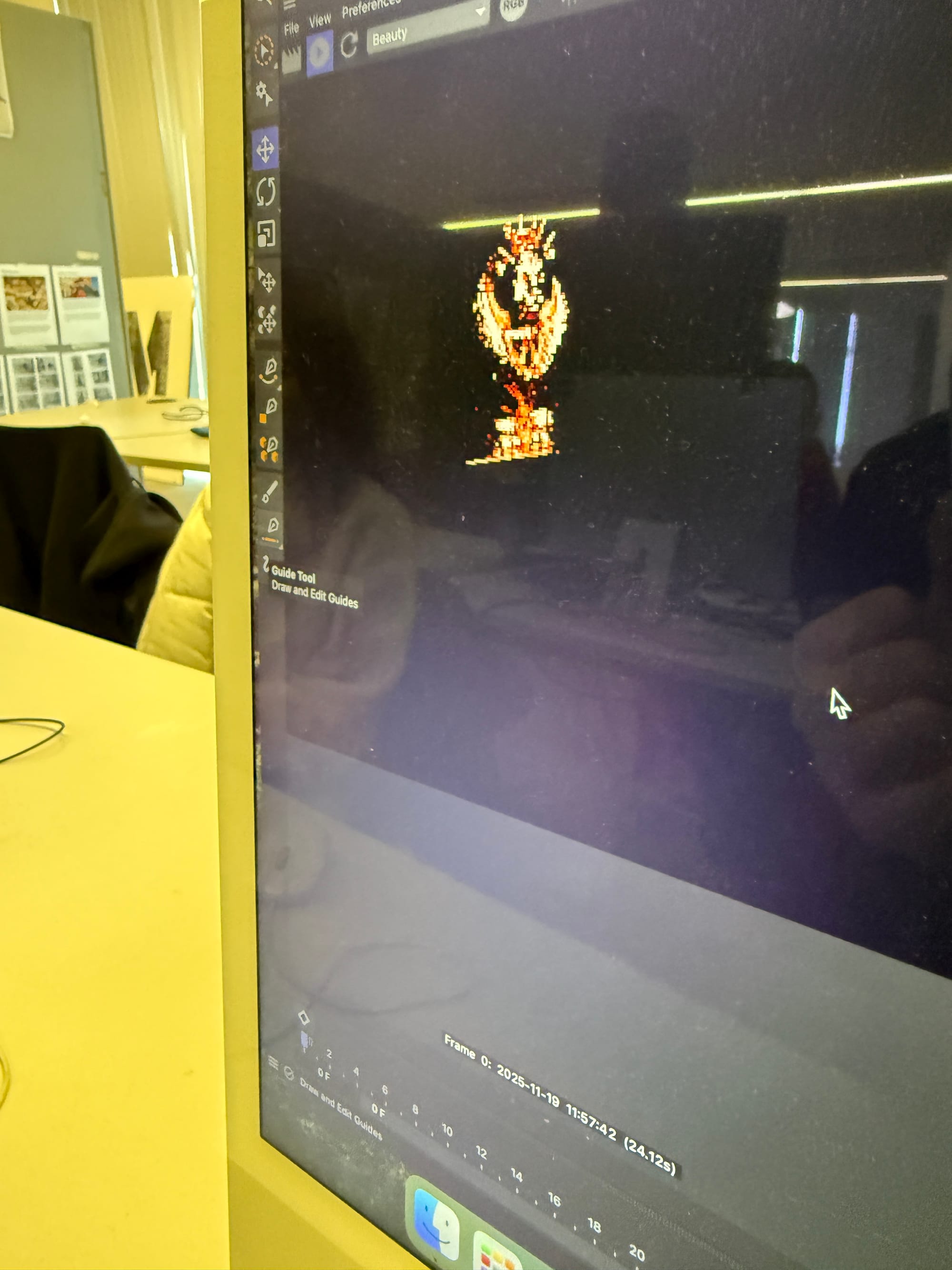
Reflection on this project (from process document):
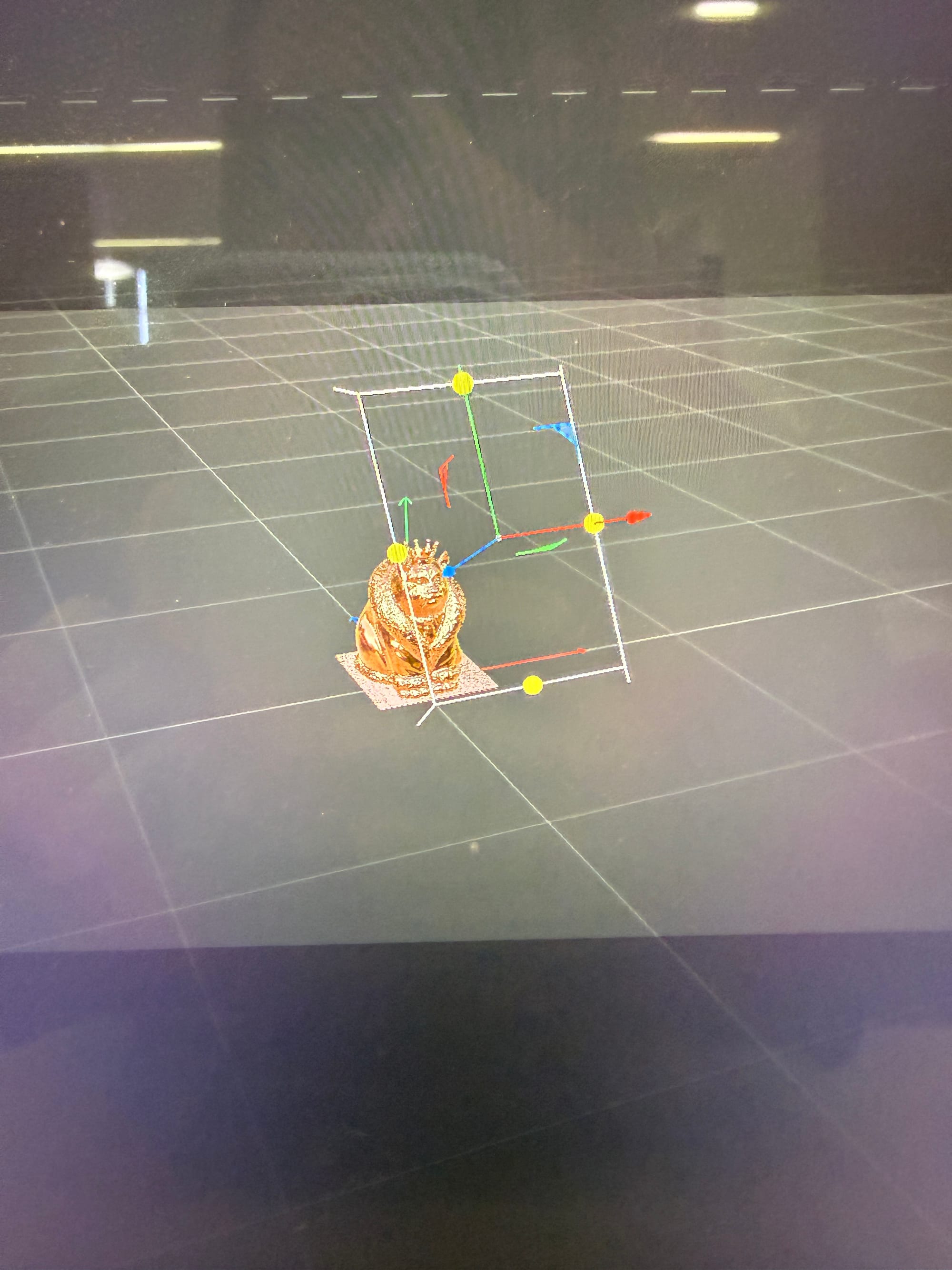
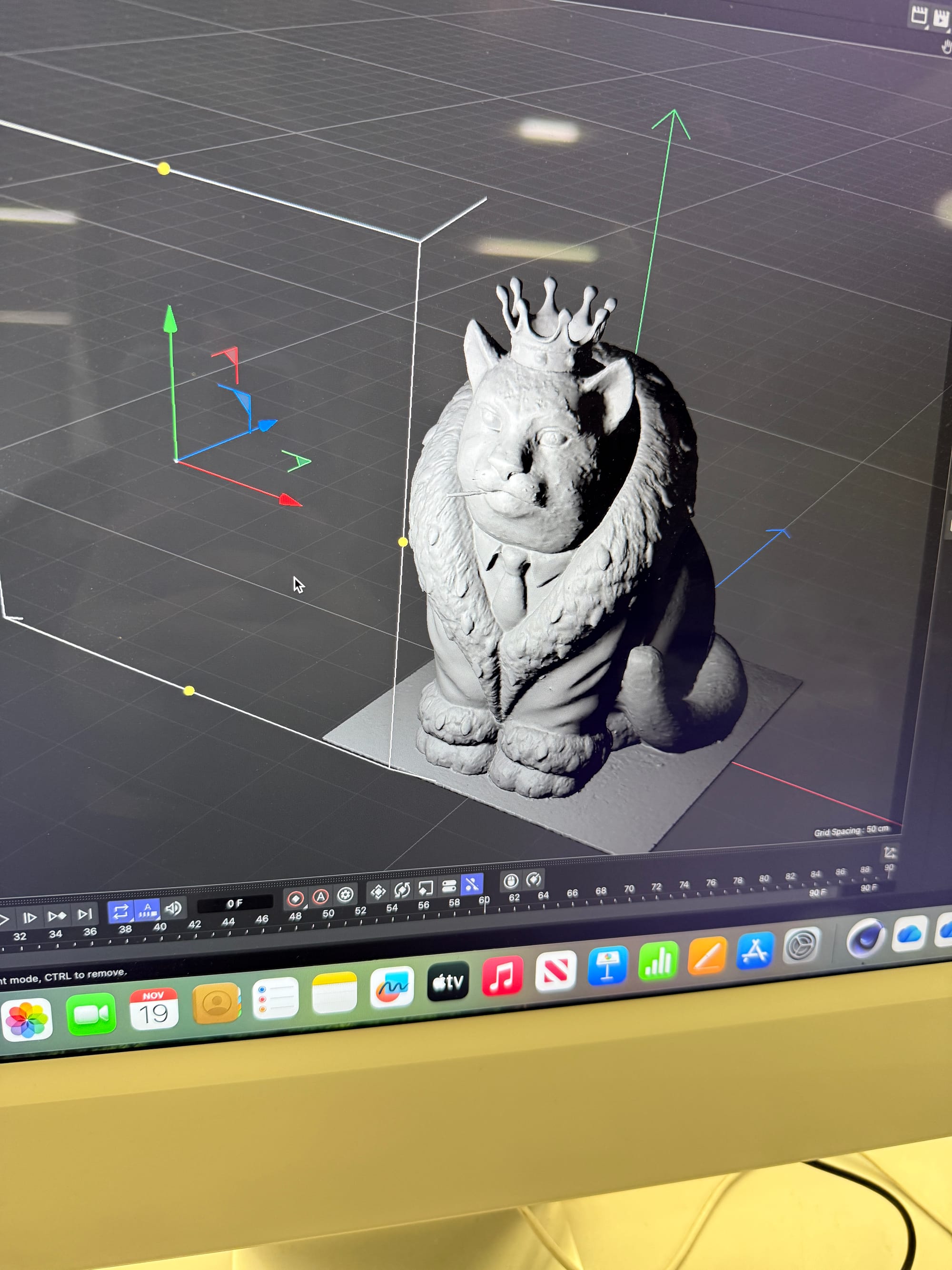
Learning about this project was quite a challenge for me. I think I struggle most with learning about 4D cinema, as I haven't done it before, and I found it rather challenging to pick up. I tried my hardest with the X, Y and Z axes. I just kept losing myself with which one was which and how to change the statue. Once it came towards the end of the session, I did, however, manage to change the pixels and the colour of the statue. That, for me, was quite satisfying and has encouraged me to try it out more using the IMacs at Uni.
5.2.4 Design Systems (Monday):
I only used https://everywhere.tools as I was struggling with the other websites and trying to figure out how to use them; however, I loved working with Everywhere tools to create these mini projects.
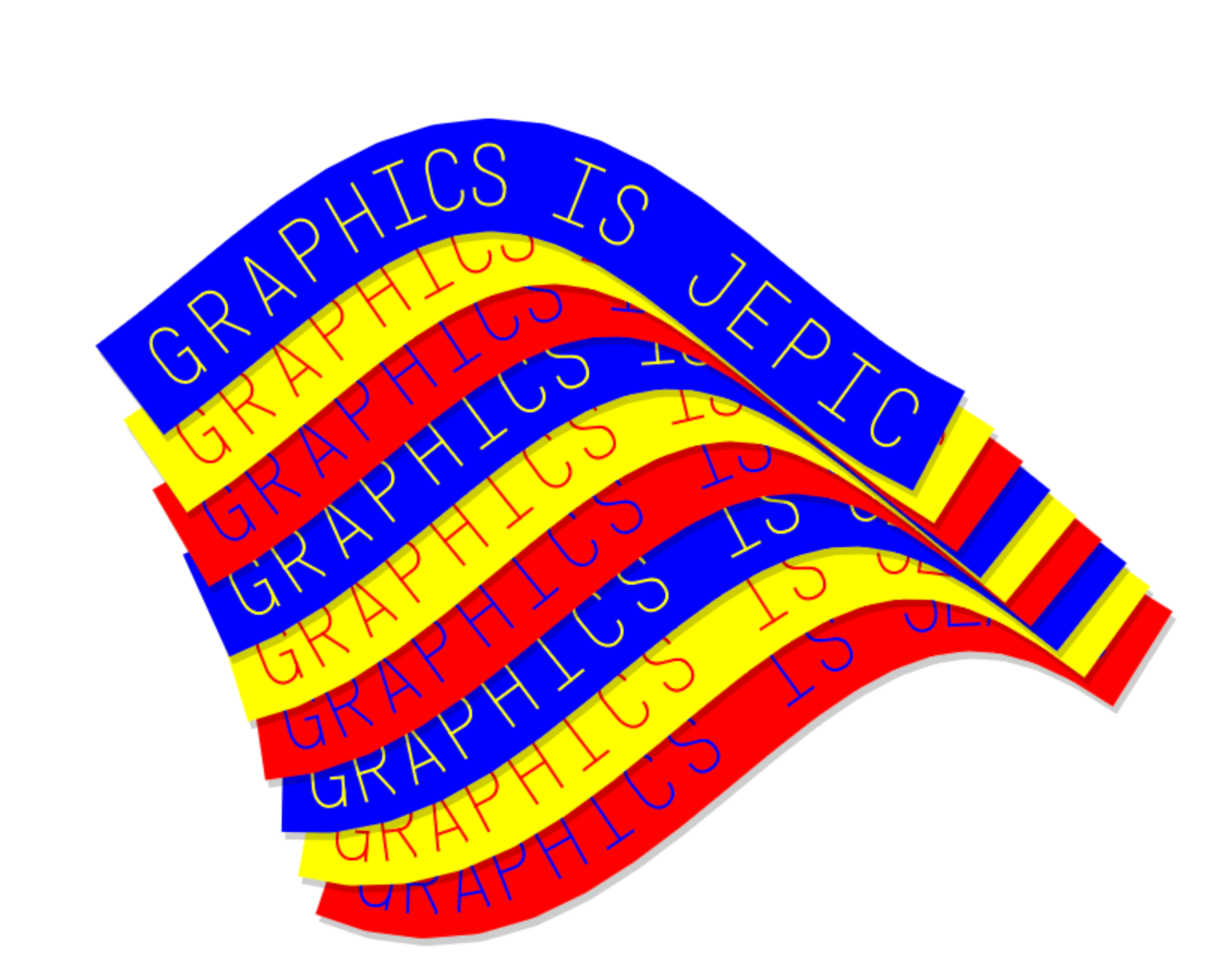
I loved using the banner style to kick off my trials because I felt it gave it more design fucky features. I might use this tool in the future if I need to create a poster or a different type of video using Everywhere tools and upload it, so I would use it as a shortcut to working on my projects.
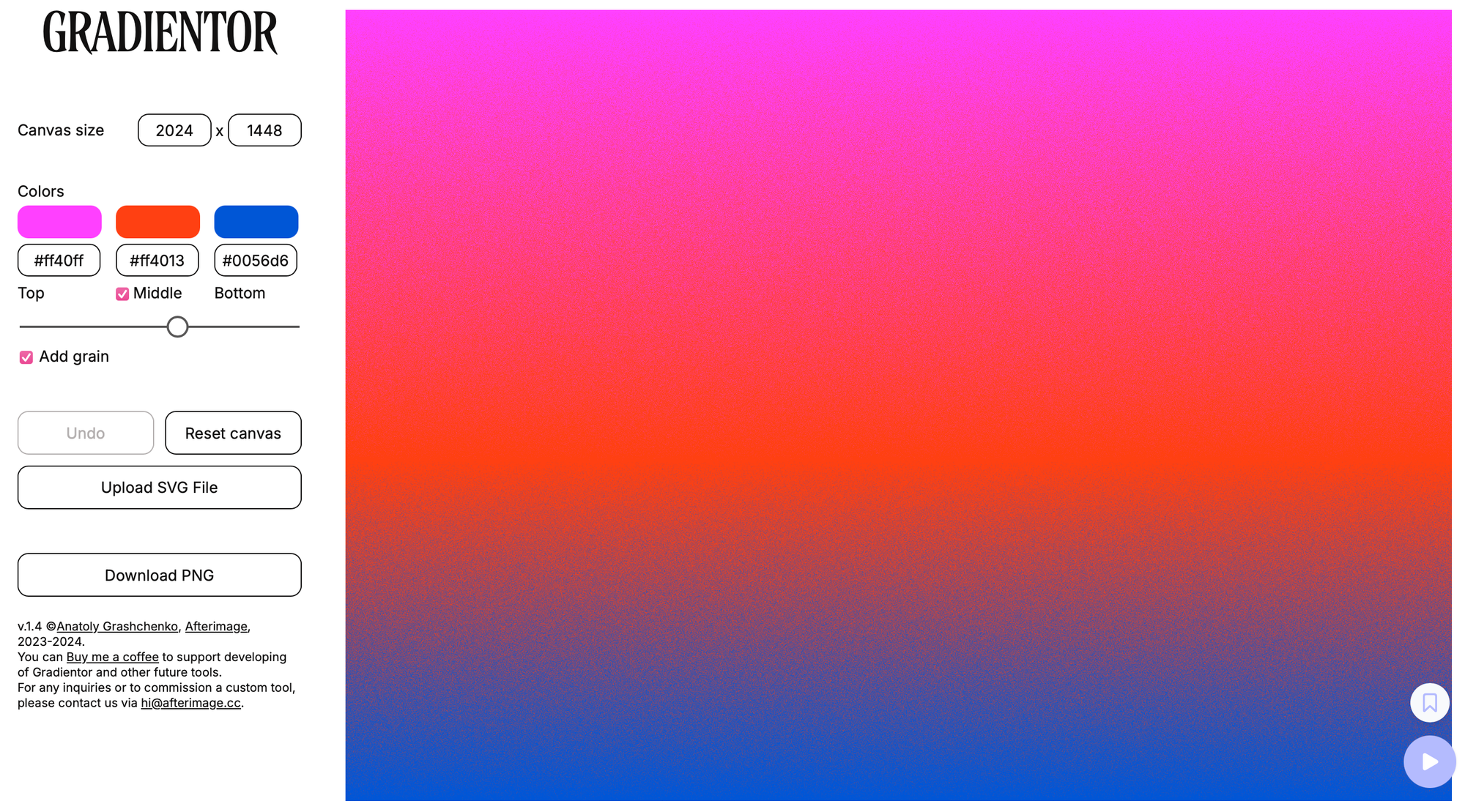
I loved using the different gradients on the Everywhere tools, as it was really fun. I also enjoyed changing the colours to make it look cool, and the gradient itself was fun to add and remove to create different textures. I would use this tool in the future to help produce fast, easy backgrounds for other projects I might come across.
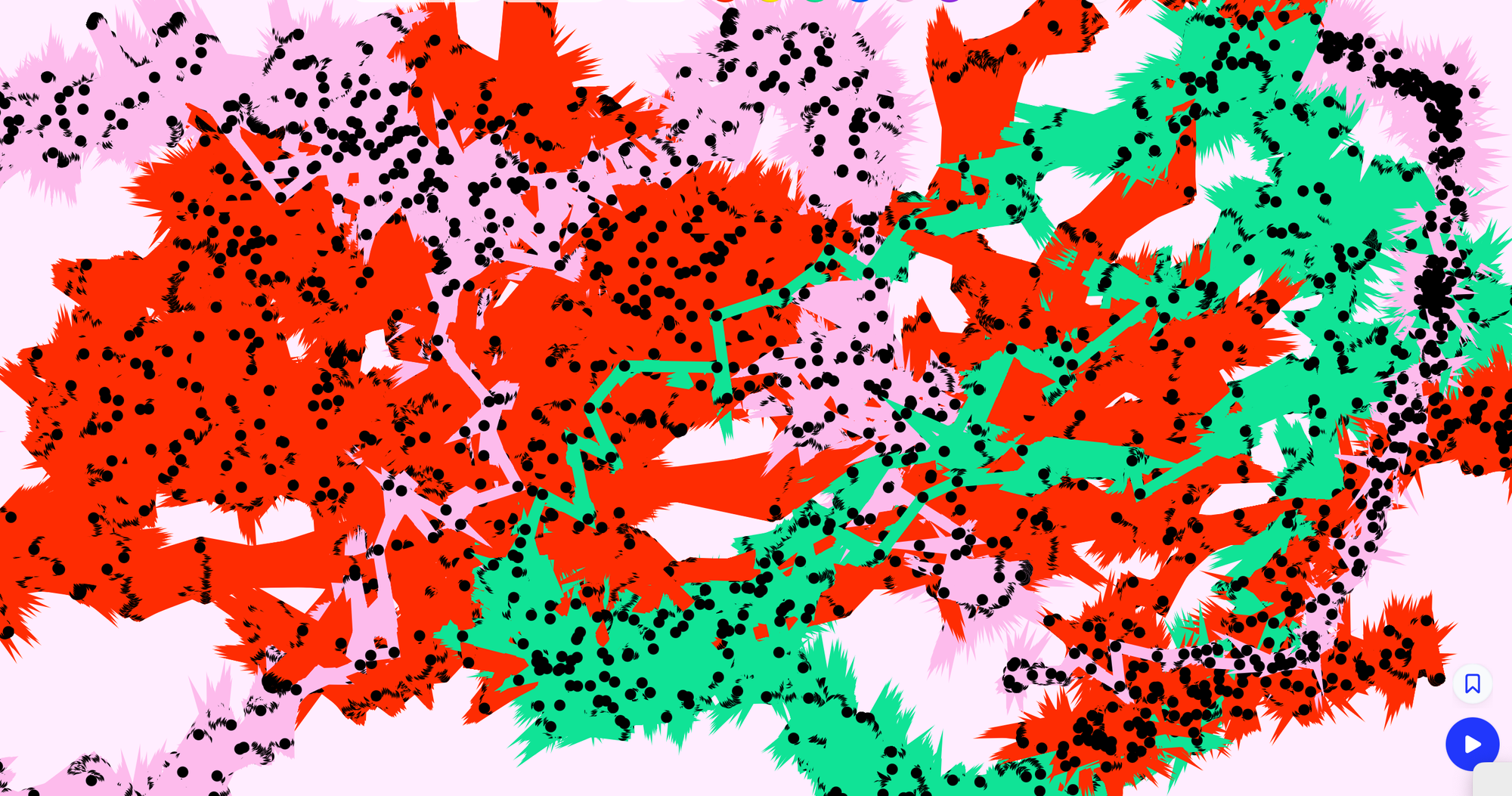
This one was particularly enjoyable to design, as I began by trying to visualise the project in my mind. Now I know that sounds weird, but it was just that I started with the red to try to describe how foggy my brain gets and used the regeneration tool to make it bigger and louder. Once I did the red one, I added a pink one on top and just squiggled the line about. Then, I used the regeneration tool again and made it spikier and louder. I saw the empty space after doing both the pink and red, so I wanted to use a different colour to make it even louder, and I loved the end result. If I were to use this in the future, I would try to make it louder and more energetic for different backgrounds for any future projects.
Reflection on this project (from process document):
Out of all the tasks in this module, this project was, by far, my favourite. I loved working with the colours and various AI tools to create new and improved sketches, as I enjoy working with different levels of textured and colour-popped work. I loved the last one I created because, to me, that is how my brain works, and that is how I imagine it to look. This gave me the indication and push to explore the world of textured products and print design further. Researching different design methods helps boost my confidence in the world of graphic design.
5.2.4 Processing Workshop (Tuesday):
Reflection on this project (from process document):
I definitely did not like this task! This was my most challenging one to follow along with, as I find code very boring and challenging. I found it very difficult and the task confusing, so I don't think I will pursue coding further and will leave it at the university. That sounds very harsh, but I love designing with colours and bright things, and coding is very much the opposite of that.
5.2.6 Distribution (Monday):
Reflection on this project (from process document):
I enjoyed learning about the history of technology and its origins. I now understand the importance of using various methods to create graphics and how to utilise different search engines to add features and customise the search engine to suit my needs. Reflecting on the various tasks throughout this module has really made me think about what I like and what I don't like. I think the end result, in terms of how the product is made, is not for me; however, coming up with funky, fun designs makes me enjoy graphics more. I will discuss my feelings further in the reflection.
5.2 Project Reflection:
Understanding the Technological Landscape:
Technology plays a crucial role in the design process from the outset; the tools I use, ranging from pencils to Adobe After Effects, are all utilised in the design process. For me, the tools are the foundation, like the key things we need to start designing, i.e., pens, Adobe Creative Cloud, and typography. However, emerging technologies, such as AI-assisted writing and automation, are relatively new in the design field. The balance of tools is human-based in my opinion, and the newer developing technologies are more robot- and coding-based.
Creating these projects, I have encountered a few challenges with the Adobe suite and 4D cinema, as I found some of the steps involved in creating them to be very difficult and tricky to understand. I did, however, look more towards the basic tools, such as pens, pencils, and RISO printing, that I can use to express my love for graphics. I envision myself utilising the Adobe Creative Cloud effectively in the future, as I enjoy using Photoshop and InDesign. I noticed tension in incorporating elements related to programming and coding, as well as 4D cinema, which I found very challenging to work with in this module. When designing projects from now on, I will adapt certain aspects, such as my web browser and Creative Suite, to make it easier and more efficient for me to produce content. I will be challenging the technologies to ensure the best results for my future projects.
Experimentation and Process:
Recently, I have explored various different tools, including 4D cinematics, programming, animation and mind mapping with brain dumps. Some of the projects I really did not like, for example, coding that project was very stressful for me, as I have never liked coding in general, and trying to understand a different technique stressed me out. I did, however, enjoy the first few projects, learning about branding and creating the project for neurodivergent people. I enjoyed these projects the most because I love writing things on paper, I like reading them over, using colours, and not just relying on technology.
Coding is not what I really enjoy, as I find it difficult to grasp. I love the Adobe Suite, mainly InDesign and Photoshop, as they allow my creative flow to come to life on a blank page. I enjoy experimenting with colours and different text styles within design, which is what I enjoy the most. Throughout this module, I have realised my design process is different to other people's. I think my favourite part of the design process is the experimentation and the use of play when creating projects. It has made me realise I love working with colour and different printing projects. There were definitely moments of failure, as I didn't quite get the hang of Jon's workshops, which included 4D cinema, car-on-road video, and animation. I learnt to look into different designing processes as I knew these weren't the ones for me.
Engaging with Emerging Technologies:
I have used numerous technologies within this module, including learning animation and creating a video with type and patterns. In this module, I have explored typesetting and drawing, which are not emerging technologies, but rather areas that I want to continue my creative journey in. I have tried to use emerging and new technologies, but I find them really difficult to understand and grasp what I am doing. I do, however, appreciate the use of AI not to write assignments or create projects, but to input design ideas, and then receive help with the writing process, without interfering with the design. I do not think I encountered any ethical issues when creating my tasks, but I did experience some practical issues during the design phase. Sometimes, when working on tasks, I became confused and frustrated, but I knew to take a step back and try again with the projects. I feel that when working on the Creative Cloud, the projects definitely limited my learning as I kept getting tangled up in doing the tasks. The tasks from Graham's workshops helped me further my design decisions because I liked using the colours and blank pages to let my creativity flow.
My future in designing this module sparked questions about what I want to create while entering the design world after university. I know that I like to use actual machinery, such as printers and materials like paint. I love designing fun graphics and would love to incorporate that into my future practice. I do, however, see that technology is changing rapidly, and creating different projects with animation and utilising the Creative Cloud will become more challenging because design development is rapidly evolving and will continue to do so. I appreciate the opportunity to learn about the upcoming design features, but I think I will stick to designing things with tools rather than relying on technology. I think in the future I can try and avoid the things and technologies I don't like, but I will have to try to incorporate them when working in the real world, and I understand that, so I am glad I know how to use them, but I will try to stick to more non-computer-based playful work.
Intensions and Future Directions:
I would like to explore a more playful design approach, rather than focusing on the delivery/production of the products. I know printing wasn't in this module, but I would like to explore that in the future, as it attracts me to different platforms and new forms of design. I foresee my design methods evolving in the future to keep pace with the changing times, which require producing a diverse range of products. I will, however, try to stay on the other side of design, not the side for the animation and production. For me, coding is out of the question when it comes to designing. I have struggled with it immensely, and it just doesn't come naturally to me.
As for AI, I can envision using it in the future to assist designers in creating and producing products. I think when new technologies are emerging, I will try to keep up with the times and try use the new systems, but I don't think I will take them all on board I will explore and trial anything, but I think the technology advances I know at the moment are what I need to focus on instead of getting lost with newer more advanced ones. In terms of questions to further my design knowledge, I would like to include practical applications, such as hands-on experiences, and try to avoid the video industry as much as possible.
Reflection and Summary:
I have learnt how to typeset properly to look more professional. I think that during this process, I have explored the Adobe Creative Cloud and learned how to animate things within it. I have learnt that technology can be incorporated into everything, and tools can be utilised anywhere within design. I believe that through this module, my eyes have been opened, and I have explored various methods for conducting research. Furthermore, I believe my process has evolved as I have explored various methods for completing tasks. I think that in the future, I want to explore practical design and utilise the playful side of design effectively. I view this reflection as the beginning of my design development, and I will continue to create with reflection, even if it is just a small project. Reflecting on my past work should be a must for my future endeavours.