5.2 Mini Brief 4: Experimenting with Processing
For this mini brief we explored different websites and applications that utilised technology and the ways in which you can use technology. I first looked at a site called animalswithanimals.com and this site just adds characters to your text to almost glitch it up and here’s some of my little experiments (shown below). I do think the application is simple to use and fun to mess with but you can only paste it into specific programs; an example being keynote, whereas on programs like photoshop, you can’t. I do love the fact that you can adjust the position, size and typeface; as well as that you can add a blur to it. If i were to use it again I’d probably use it to visualise my ideas prior to adding them to the final; visualising effects instead of using it in a design manner.
(https://animalswithinanimals.com/generator/generator.html#.)
I do think the application is simple to use and fun to mess with but you can only paste it into specific programs; an example being keynote, whereas on programs like photoshop, you can't. I do love the fact that you can adjust the position, size and typeface; as well as that you can add a blur to it (as shown above).
The next thing I looked at was Munken design a site that consists of some experimental components to create moving pieces. In the video above I just typed out random words and phrases while changing the different sliders. I think this site is interesting but I do think there could've been more sliders/ adjusters. I Like the fact that you can add an image to the background as well (shown below).
Something else I looked at was tinytools. directory (https://tinytools.directory) and this is a site full of different applications for many different things; the specific one I used is linked at (https://yellowafterlife.itch.io/13443r80x). It's very similar to the animals with animals site in the sense that it changes up the way that the words are presented. It's not as in depth as the first one and to me it seems a little boring? it's just a very basic version of the first one.
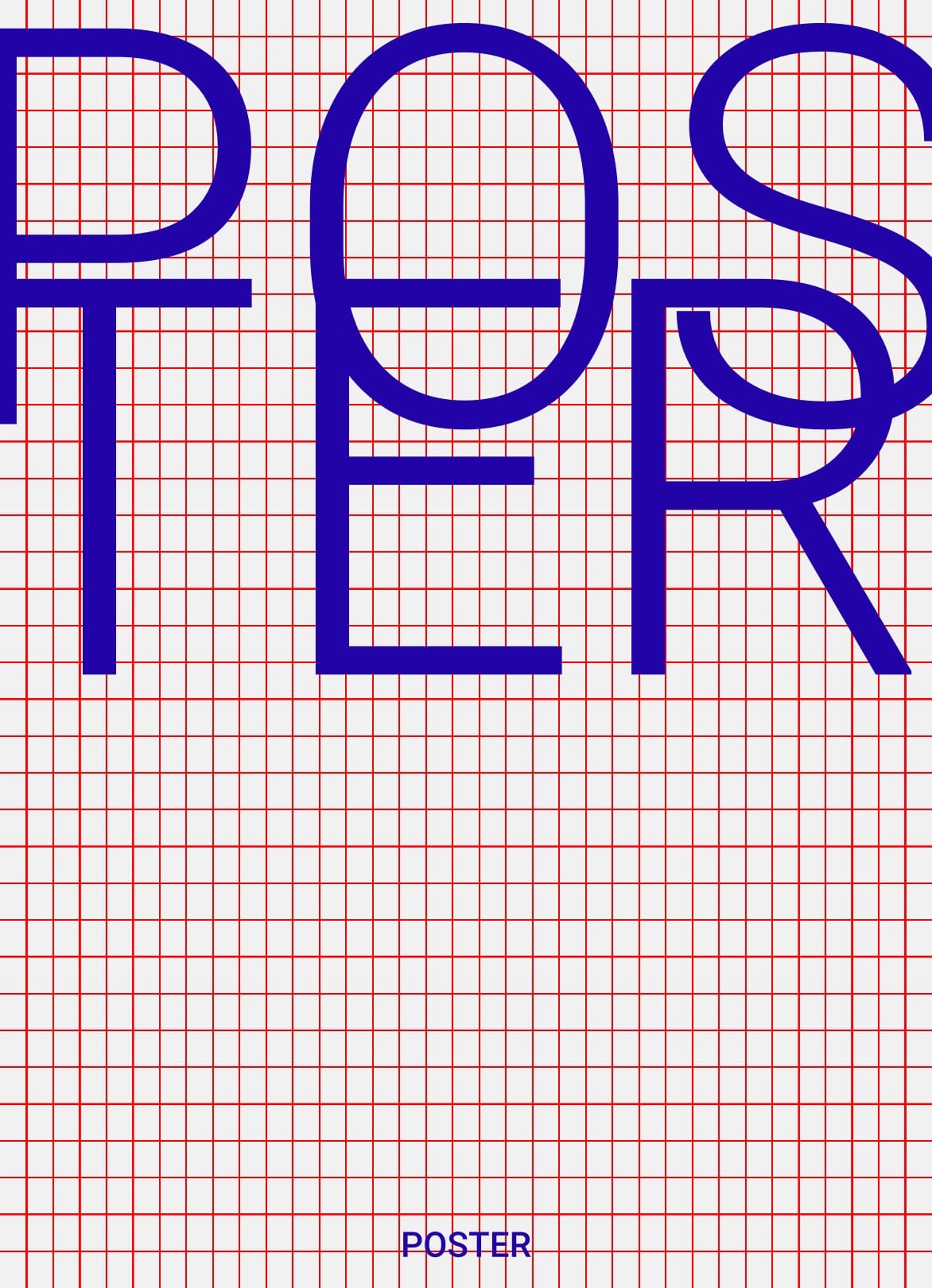
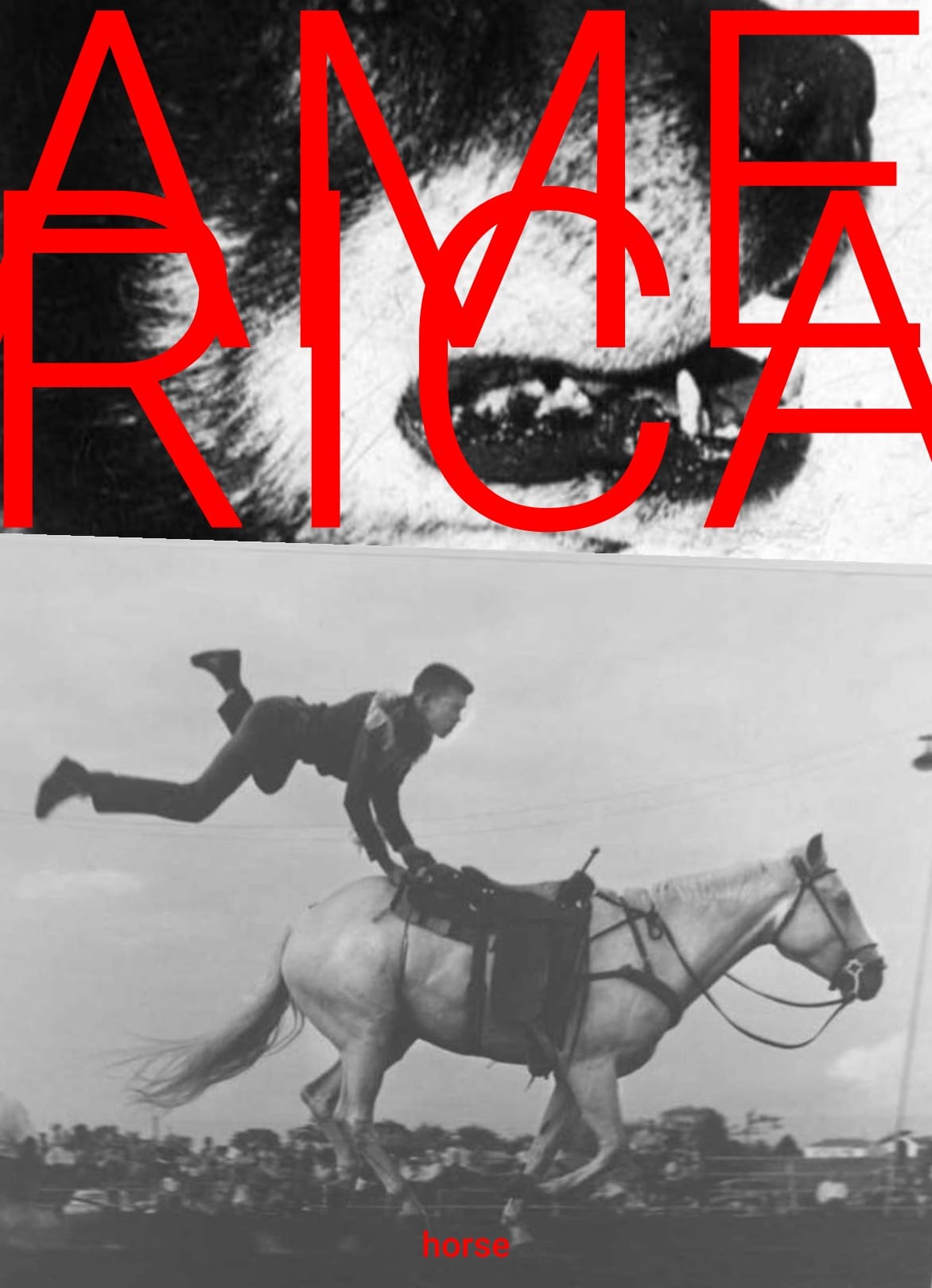
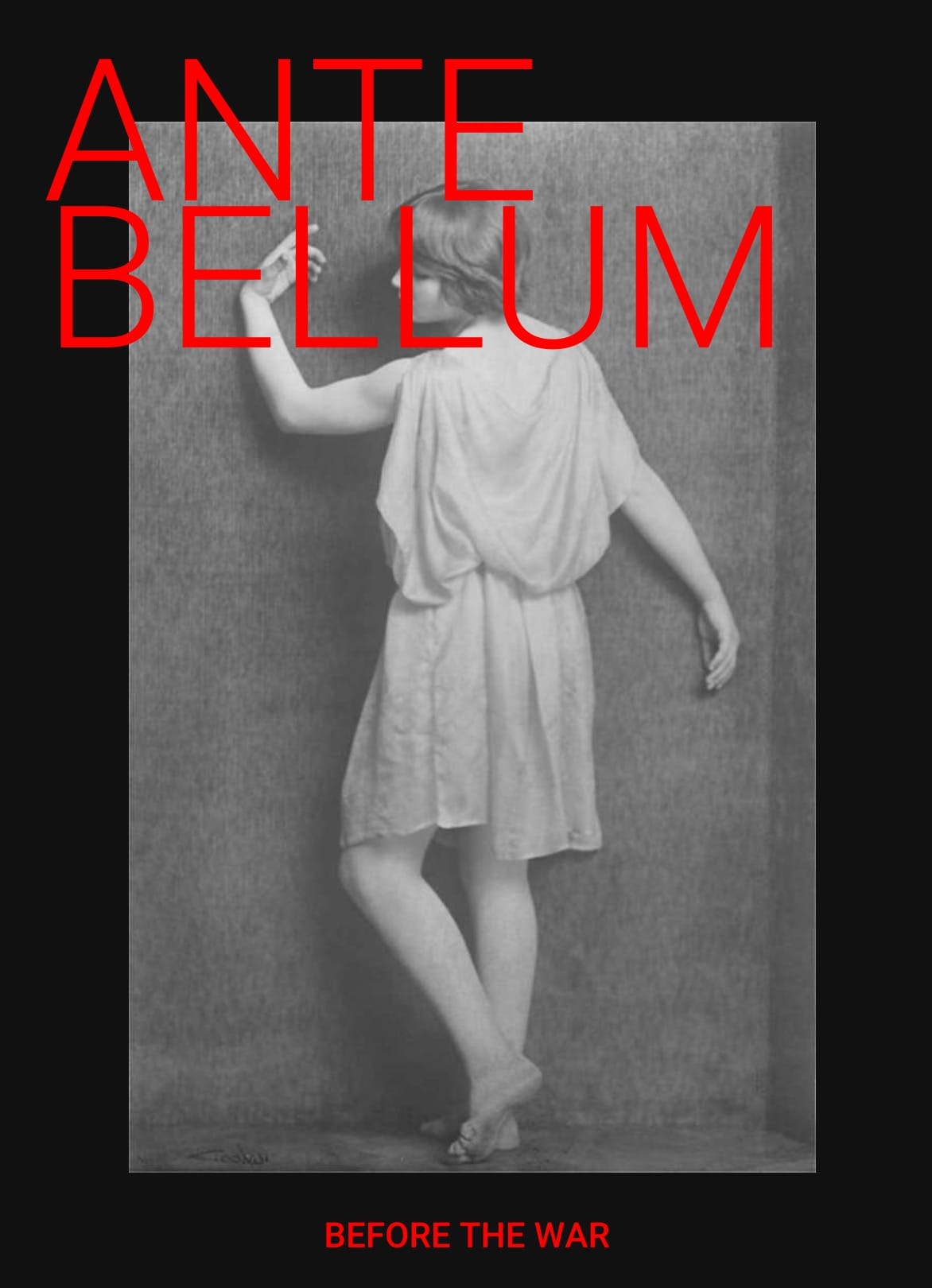
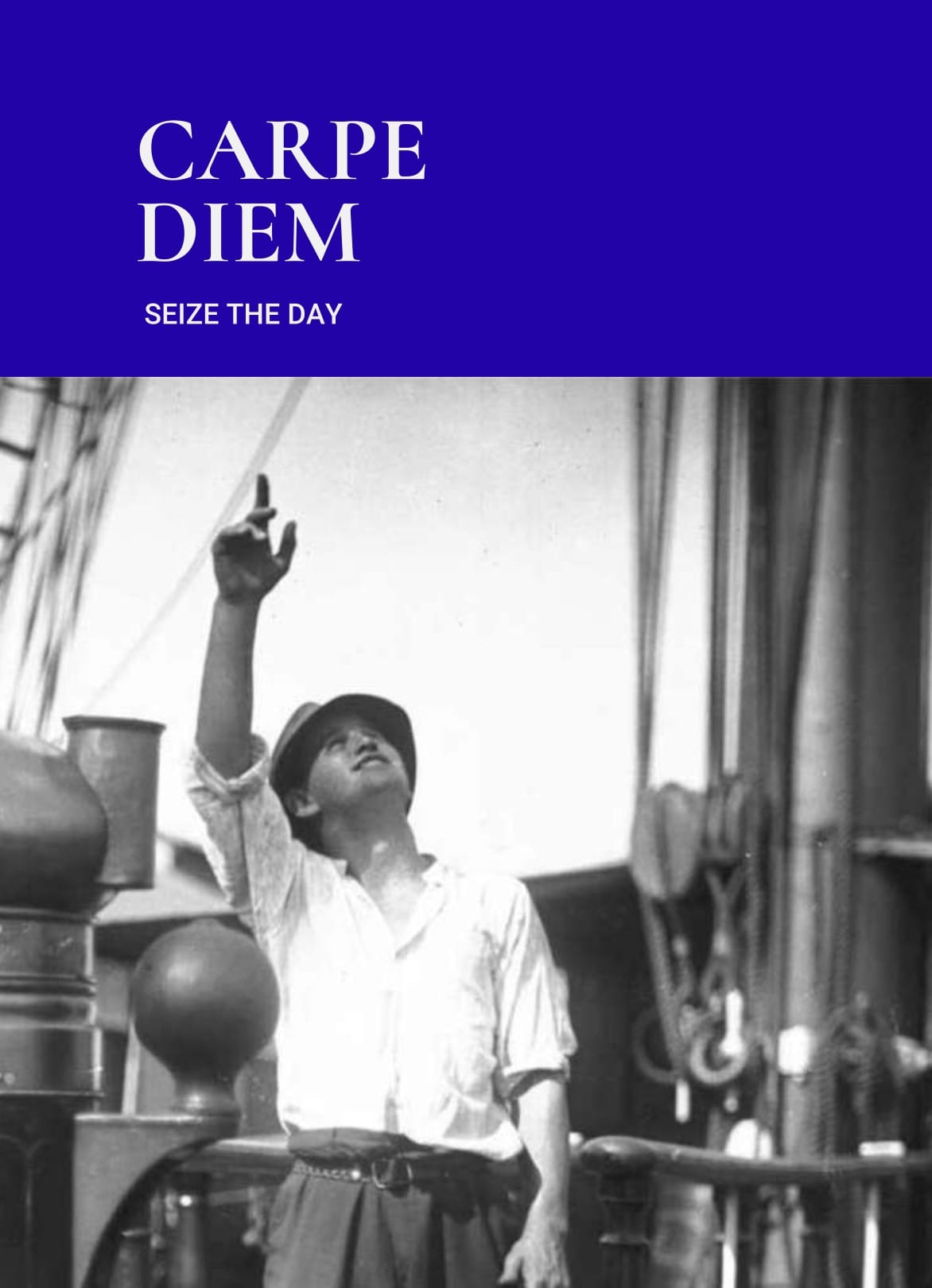
The next one I tested and experimented with was (https://p5studio.vercel.app) and this was another good one. I think it has a good range of different fonts and image selection to choose from. The first one I did was mainly a test and from there the second one I tested some more things. I used more of the options I had, adding images and different text; adjusting sizes and the overlap. The third example I decided to take a more poetic response just because I wanted to and I wanted to see what compositions I could mess with; the term 'Ante Bellum' is latin for 'Before the war'. As for the last one I used a similar idea but I used the latin phrase 'Carpe diem' meaning seize the day and the image I used really suited that. I also changed the font as I explored the site more and I did really like that you could use different fonts to express what you're trying to.
I think all turned out pretty good in the end; the whole process was simple and easy while still being a nice tool for design. I definitely could use these for inspiration or idea generation in the future and thats something I like; pushing from my usual comfort zone to explore more.
Understanding different technological platforms through websites and mobile applications has really opened my eyes to the numerous possibilities that creative practices can have with the use of digital tools. For example, each platform interacted with the technology in a different manner—whether it be through the organisation, design, or generative processes—and it made me realise how these tools can be very flexible and adaptable depending on the situation.
I wanted to expand on that and I did so by reading Miguel Sicart's Play Matters. Miguel Sicart's Play Matters has been key in understanding the concept of play and its role in our everyday lives. Sicart stresses that play should not be understood only as activities related to games or sports but as a way of working with the world which can be engaging, creative, and even rebellious. The thing that impressed me the most was his argument that play depends on the confrontation of rules and freedom, and that the violation or the change of the system is what gives play its value. He adds, "Play is a way of being in the world, not a world apart," which made me think about how infrequently I apply a playful approach to my own creative work, be it through the trial of design parameters or through the reinterpretation of structures to get new results. I understood that play is not simply about having fun, instead, it is about agency, the freedom to change environments and habits in such a way that they become personal and alive. The book also reminded me that play can take place anywhere, from art-making processes to daily interactions, and it matters because it provides the freedom to experiment, have a say, and obtain new perspectives. Sicart's reflections on play, for me, were a source of confirmation of the concept that it is an essential energy both in design and life, which, in turn, makes us more connected with ourselves and the world around us.
[Sicart, M. (2014). Play matters. Cambridge, Massachusetts: The Mit Press.]
Sometimes I was struggling with navigating the features or understanding how to apply them to my own workflow in the best way, but through this process, I was also prompted to try out different things and think critically about the fact that technology can support creativity rather than be the one to dictate the results. So, the brief has been instrumental in me perceiving technology not only as a means to an end but also as something that can fundamentally change and broaden my way of working with design.