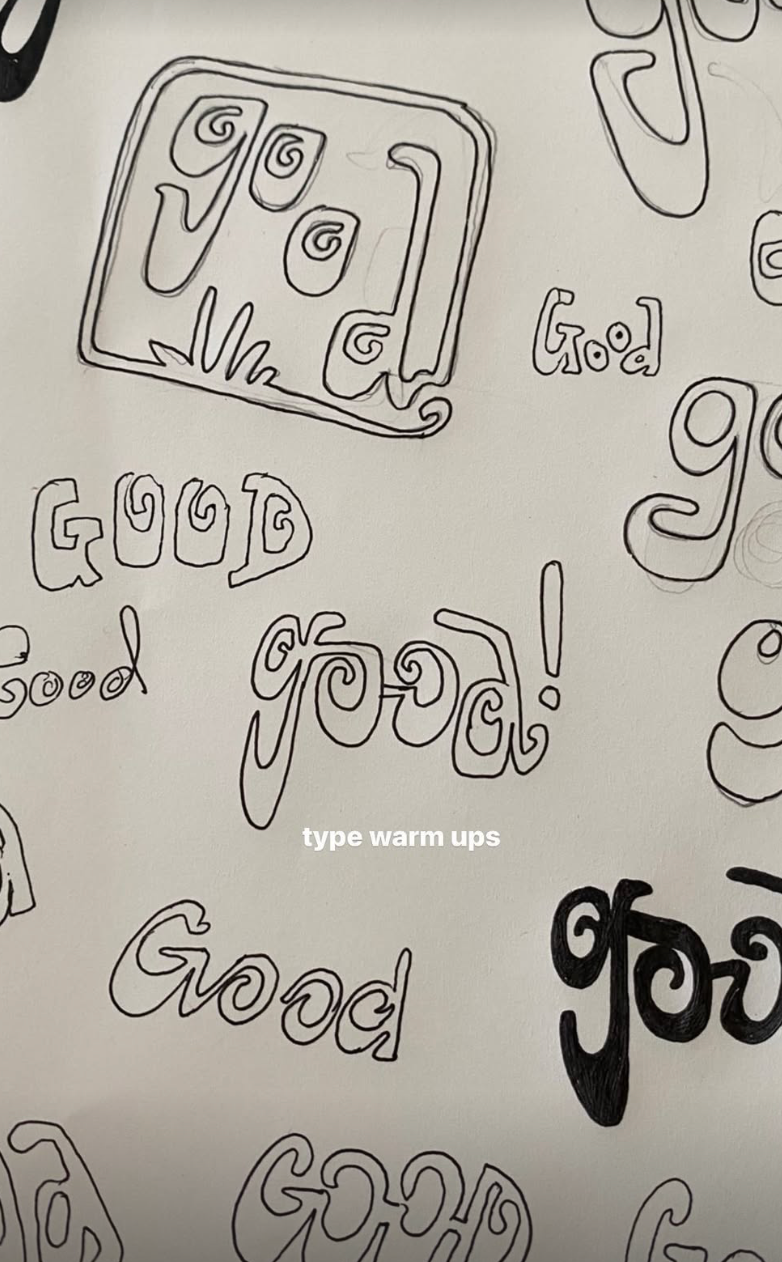
Anna Mills
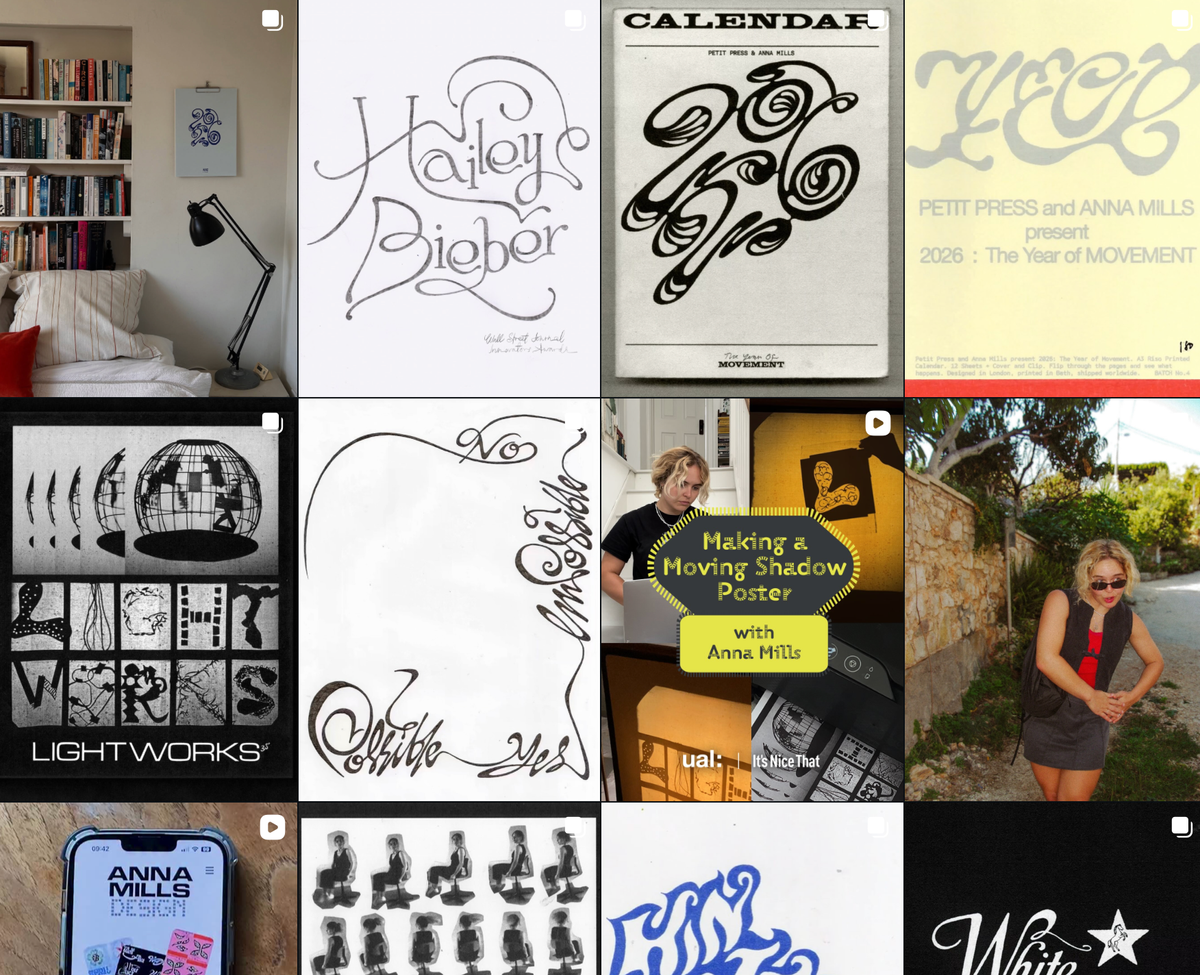
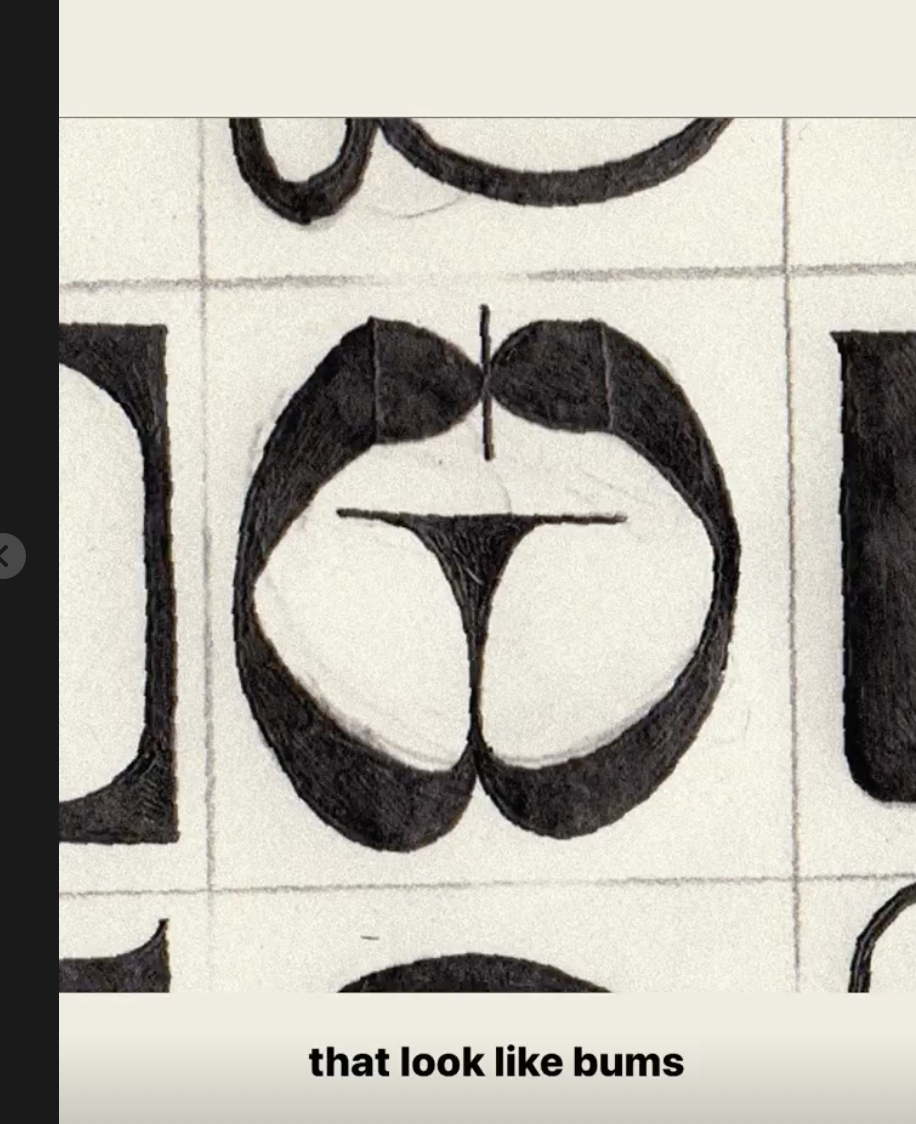
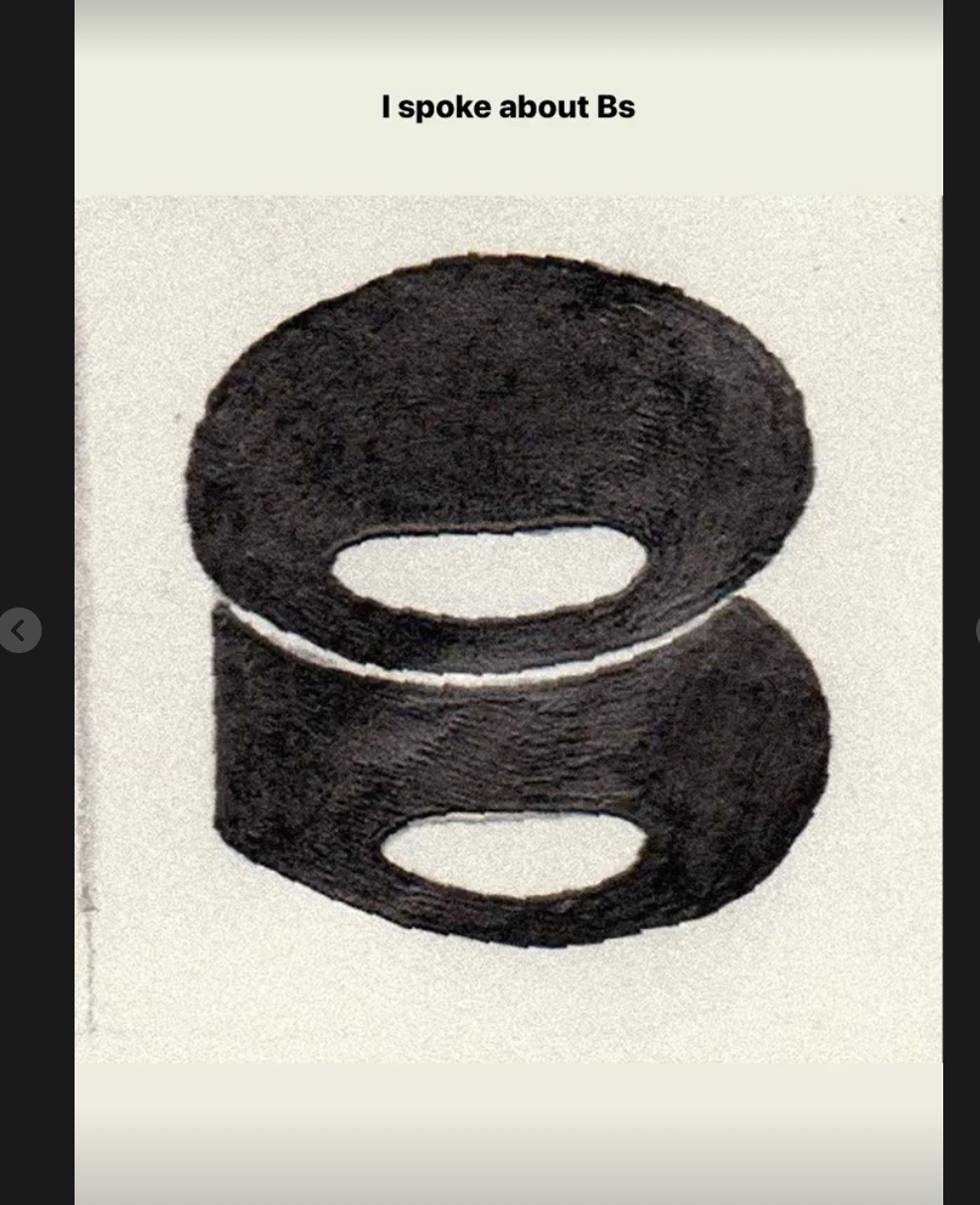
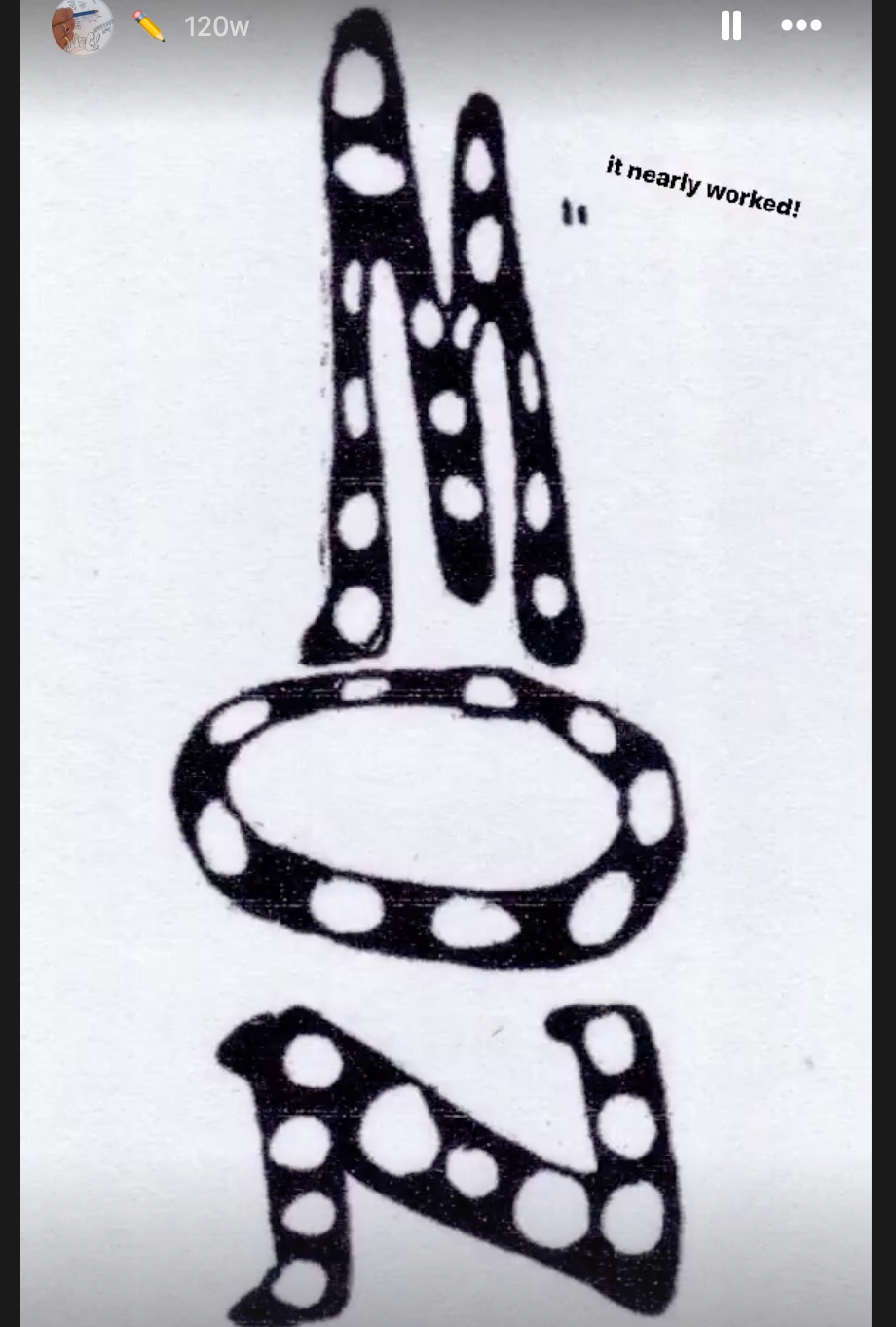
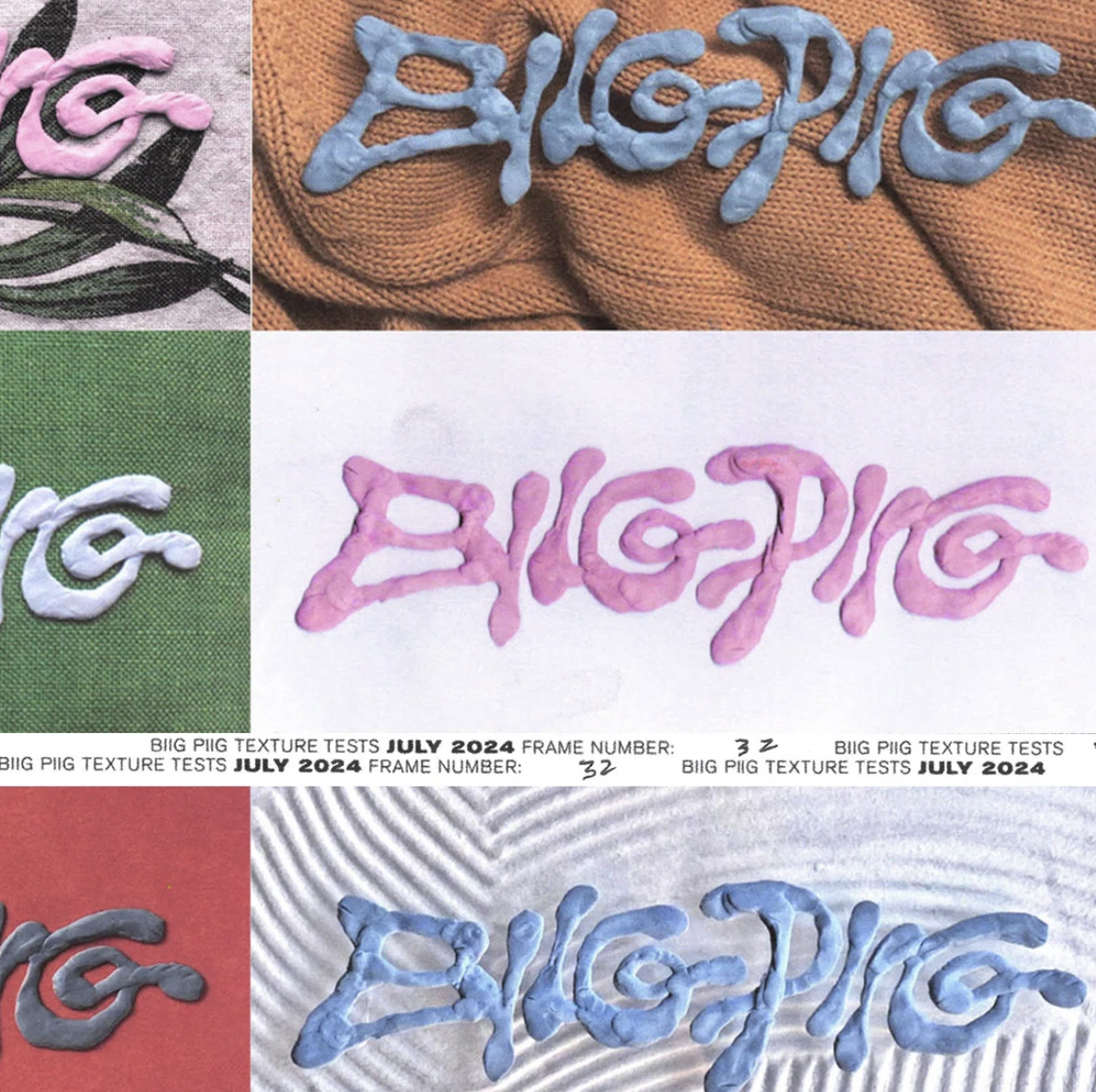
Anna Mills (annam.lls) is a distinctive Bristol/London-based graphic designer known for playful, animated, hand-drawn typography and lettering for musicians like Wolf Alice, using rough edges, wobbly lines, and a blend of analogue/digital techniques. While her company annamills.co is dissolved, she creates moving posters, typefaces, and merchandise, blending digital art with organic, childlike qualities. (google)

Anna Mills on the “human” quality of her typography
The graphic designer talks us through some of her techniques for designing type, including the “ping-pong match between paper and computer,” AKA the “input-output dance.”
If Anna Mills is a graphic designer who also specializes in animation, she would likely be using a combination of different tools and software depending on the type of animation she focuses on (2D, 3D, motion graphics, etc.). Below is an overview of the common technologies and software used by animators and motion designers:

1. Adobe After Effects
- What It Is: A powerful motion graphics and visual effects software, widely used by graphic designers, animators, and filmmakers.
- Why She Might Use It: After Effects is industry-standard for 2D animation, motion graphics, and compositing. It allows for the creation of intricate animations, visual effects, and dynamic compositions.
- Common Uses:
- 2D animation (e.g., character animation, logos, infographics)
- Motion graphics (animated text, title sequences)
- Visual effects (green screen work, compositing)
2. Cinema 4D
- What It Is: A 3D modeling, animation, and rendering software, frequently used for motion graphics and 3D animation.
- Why She Might Use It: If Anna works in 3D animation, motion design, or even visual effects for video production, Cinema 4D is a go-to tool because of its intuitive interface, ease of use, and integration with After Effects.
- Common Uses:
- 3D animations (e.g., logo animations, product visualizations)
- 3D modeling and rendering
- Motion graphics (particularly 3D elements)
3. Toon Boom Harmony
- What It Is: A comprehensive software for 2D animation, often used in traditional and digital animation workflows.
- Why She Might Use It: If Anna is into traditional 2D animation (think cartoons or character animation), Toon Boom Harmony is one of the leading software choices. It supports frame-by-frame animation, rigging, and has tools for both hand-drawn and cut-out animation styles.
- Common Uses:
- 2D character animation
- TV shows, cartoons, and web series
- Storyboarding and scene planning
4. Adobe Animate
- What It Is: A vector-based animation software that was formerly known as Adobe Flash.
- Why She Might Use It: If Anna creates web animations, interactive animations, or animations for user interfaces, Adobe Animate could be a key tool. It allows for both frame-by-frame and timeline-based animation.
- Common Uses:
- 2D animation for websites and mobile apps
- Interactive and HTML5 animation
- Character animation
5. Blender
- What It Is: A free, open-source 3D modeling, animation, and rendering tool.
- Why She Might Use It: If Anna works in 3D animation but doesn’t want to invest in expensive software, Blender is an excellent choice. It's extremely powerful, supporting everything from modeling and sculpting to animation, rendering, and even visual effects.
- Common Uses:
- 3D modeling and sculpting
- 3D animation and motion graphics
- Visual effects and compositing
6. Procreate (for iPad)
- What It Is: A digital drawing app for the iPad that allows for frame-by-frame animation.
- Why She Might Use It: If Anna is into hand-drawn 2D animation or creating animated gifs, Procreate is a fantastic tool. It’s lightweight, easy to use, and allows for frame-by-frame animation creation.
- Common Uses:
- Hand-drawn 2D animation (e.g., animated GIFs, short loops)
- Digital illustration
- Concept art and storyboarding
7. TVPaint Animation
- What It Is: A 2D animation software known for its traditional hand-drawn animation capabilities.
- Why She Might Use It: TVPaint is excellent for artists who prefer the look and feel of traditional hand-drawn animation, as it offers extensive tools for frame-by-frame drawing.
- Common Uses:
- Traditional 2D animation
- Frame-by-frame animation (cartoons, character animation)
8. Adobe Illustrator and Photoshop
- What They Are: While primarily known for graphic design and photo editing, both Illustrator and Photoshop are commonly used by animators for creating assets for animation.
- Why She Might Use Them: For creating character designs, backgrounds, and other vector-based or raster-based assets, Illustrator and Photoshop are essential in the animator’s toolkit. They also integrate smoothly with other software like After Effects.
- Common Uses:
- Asset creation (characters, backgrounds)
- Vector artwork for animations
- Textures and special effects (Photoshop)
9. Moho (formerly Anime Studio)
- What It Is: A 2D animation software focused on cut-out animation and rigging.
- Why She Might Use It: If Anna specializes in cut-out animation or rig-based character animation, Moho is an excellent choice for efficiently rigging characters and animating them in a 2D style.
- Common Uses:
- Cut-out animation
- 2D character rigging and animation
- Cartoons and animated web series
10. Spine
- What It Is: A 2D skeletal animation tool.
- Why She Might Use It: If Anna focuses on animating characters or creatures with a lot of joint movements (like in games or cartoons), Spine is designed to create smooth animations using skeletal rigs.
- Common Uses:
- 2D character rigging and animation (game assets, animated web series)
- Game animation (sprites and characters)
Key Technology Trends in Animation
If Anna is keeping up with the latest trends, she might also be incorporating newer tools and technologies such as:
- Real-time Animation with Unreal Engine: Some animators are moving to game engines like Unreal Engine to do real-time animation, offering new levels of interactivity and complexity in their animation work.
- AI-Powered Animation Tools: Software like Adobe Sensei or other AI-driven tools may be integrated into her workflow to speed up tasks like rotoscoping, background removal, or predictive animation.
- Virtual Reality (VR) and Augmented Reality (AR): Tools like Tilt Brush (for VR painting) or AR animation software are emerging in the creative world, and some animators are exploring these cutting-edge technologies for immersive animation experiences.
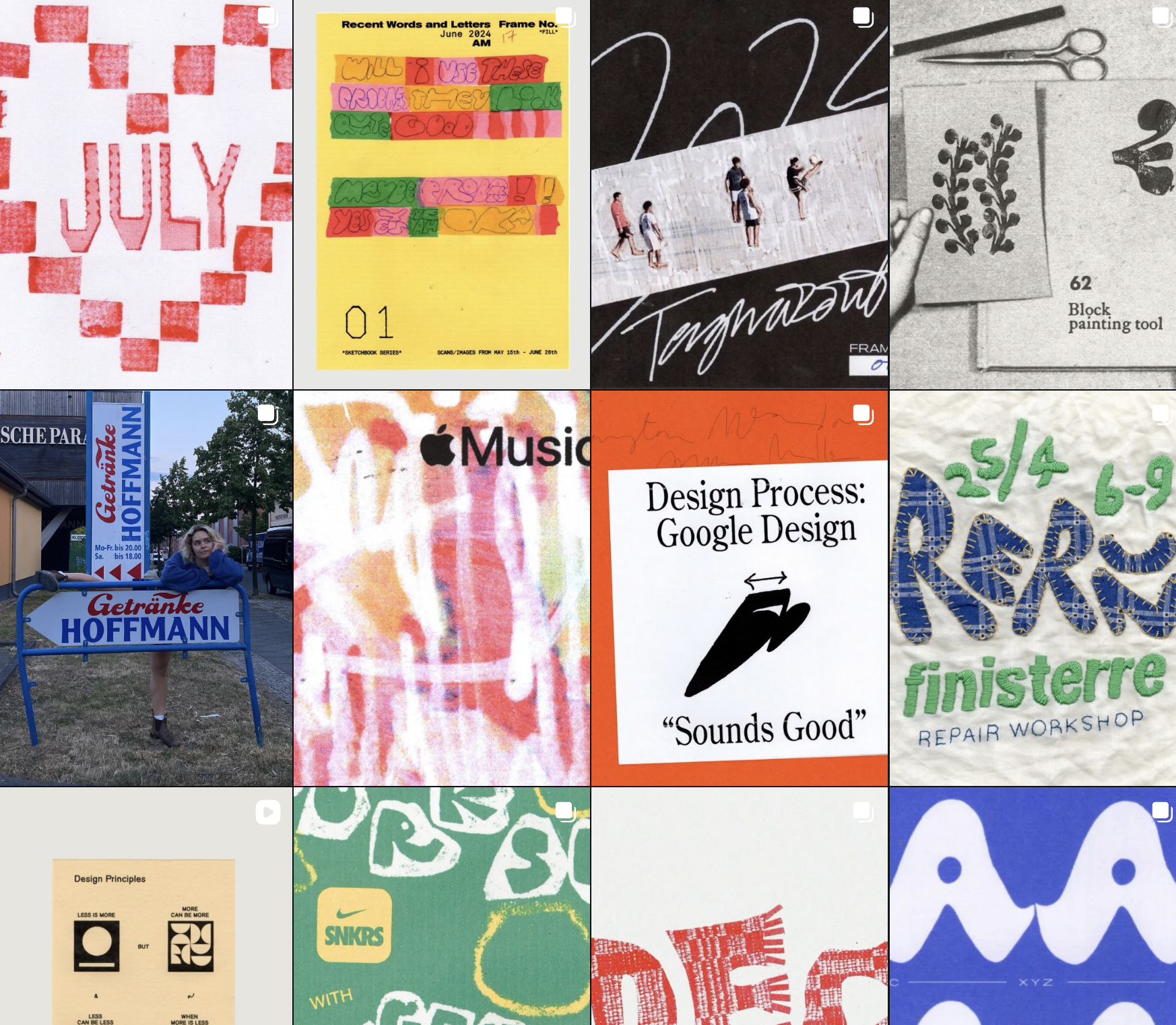
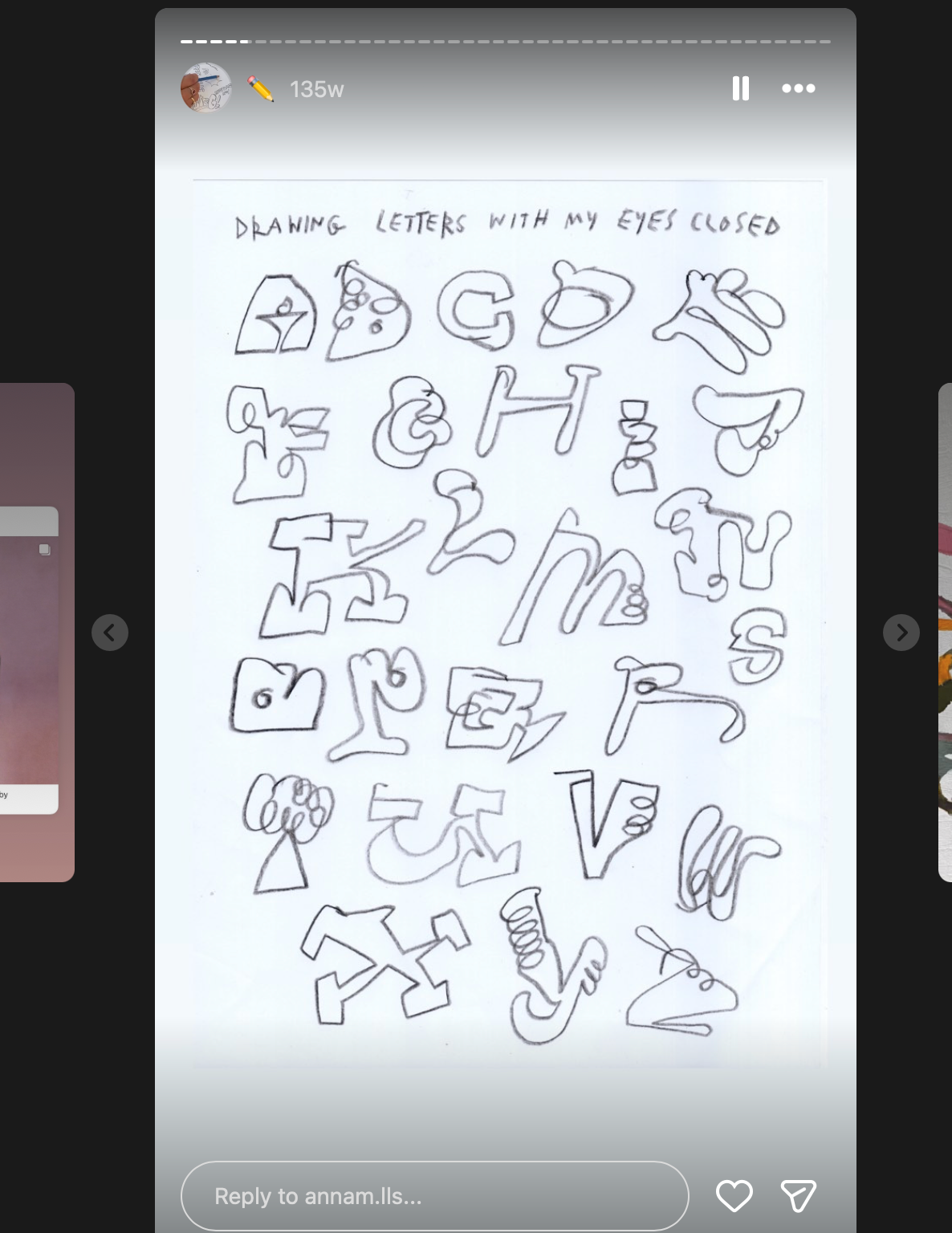
from her profile she documents her work on her highlights taking pictures of type as inspiration for later projects and just sketching in 10 different ways she continues to experiment and be playful and then creates animations with these.
- Diverse Skill Set: Graphic design involves a mix of skills such as layout design, typography, branding, illustration, digital design, and more. A strong portfolio would showcase proficiency across different mediums.
- Creative Problem-Solving: Good designers are often praised for their ability to tackle complex communication problems with visual solutions. Look for her approach to tackling design challenges.
- Attention to Detail: The best designers are meticulous about the finer points—spacing, color choices, consistency, and clarity of design.
- Client Feedback: Positive reviews, testimonials, and case studies often reveal a designer’s ability to collaborate effectively with clients and deliver results that meet specific needs.
- Innovative Design: A good designer should stay current with design trends, tools, and technologies. Look for any evidence that Anna Mills is innovative or has a unique design perspective.