5.3 - Elastic
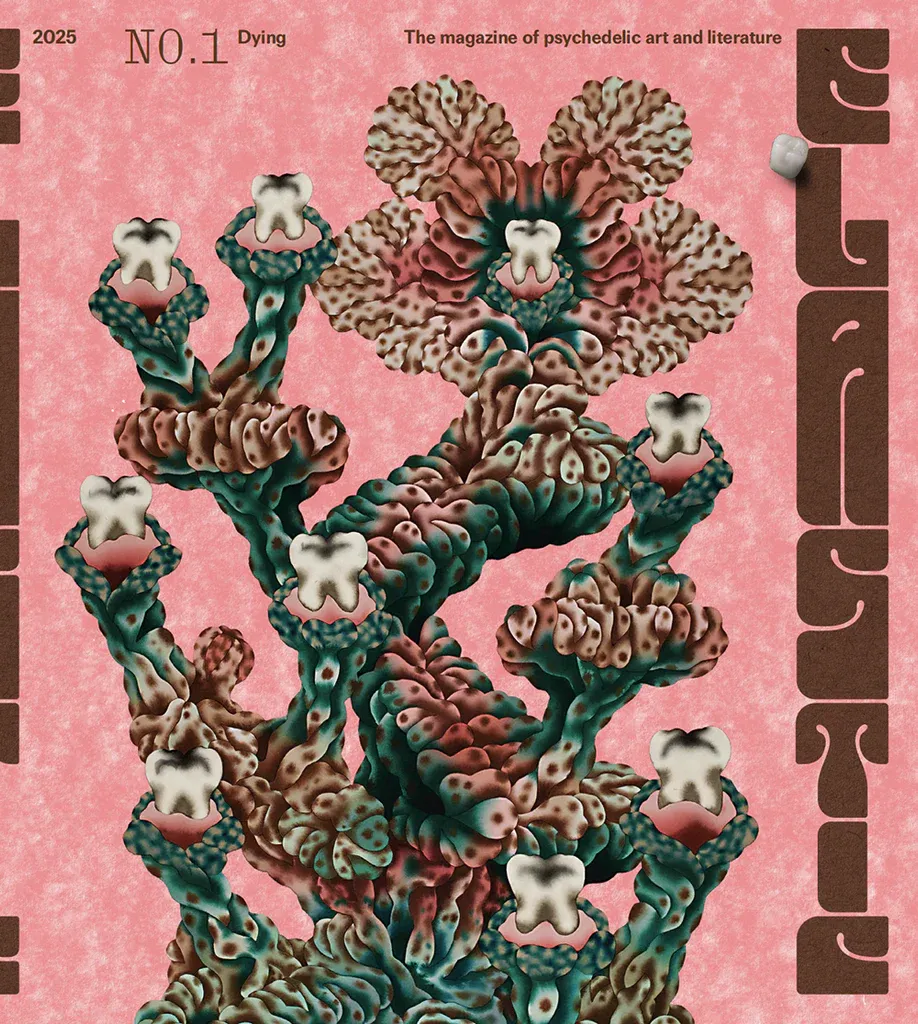
Elastic is an American print magazine brand, led by Hillary Brenhouse (hillarybrenhouse . 2025) as editor, that focuses on visual and written work that bends time, genre, and perspective. Elastic’s main aim is to challenge the norms of psychedelic culture, paying tribute to a largely overlooked archive of psychedelic art and literature, much of which has been created by Black artists, as Emily Lordi points out in “The Radical Experimentation of Black Psychedelia.” (New York Times . 2025) Elastic aims to revisit and recognise artists, bringing people together in rooms, online, and through writing articles and creating art to spread psychedelic art and its parts, further bringing it into the light beyond a screen. Their first publication, No. 1 – The Dying Issue, (Elasticmag . 2025), which centres on the theme of dying, explores a range of endings, beginnings, and processes of self-discovery. The intention behind this publication is to pay tribute to and modernise the psychedelic spirit of the modern era, inspiring editors, writers, and designers to tell a stronger story about overlooked topics.
Hillary Brenhouse is the lead editor and writer behind Elastic. She specialises in women’s mental health, capitalism, and religion. She has previously worked for Guernica (guernicamag . 2025), a magazine of global art and politics. Other magazines she’s been involved with include “The Joy of Not Wearing a Bra”, “Mother vs. The Housing Crisis”, and “On Not Leaving Kashmir”; (hillarybrenhouse . 2025) these publications delve deeply into politics, religion, and serious issues, demonstrating Hillary’s knowledge and insight across various fields, helping to shed light on controversial subjects. For the creative direction of Elastic’s first publication, she enlisted Chloe Scheffe (chloescheffe . 2025) and Natalie Shields (natalieshields . 2025) to help challenge and reshape perceptions of psychedelic art. Brenhouse was born in New York and attended New York University. New York has always been a highly political city, unafraid to share its views and advocate for what’s right for its residents. Brenhouse was influenced by this environment to pursue in-depth explorations of such topics, as reflected in her early works, which addressed issues like politics and women's mental health, serving as a beacon to raise awareness and spark discussion about pressing issues prevalent both globally and locally.
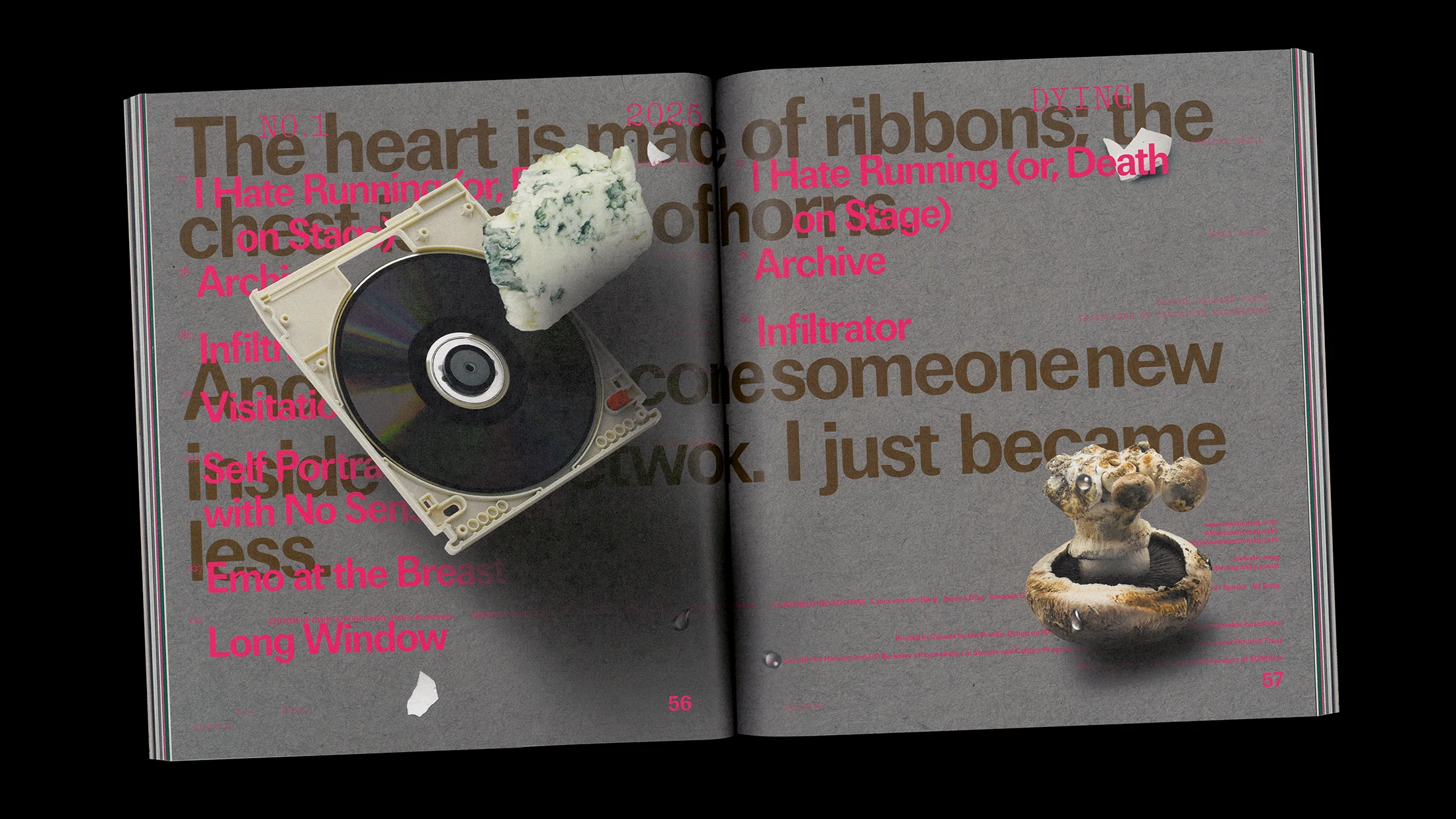
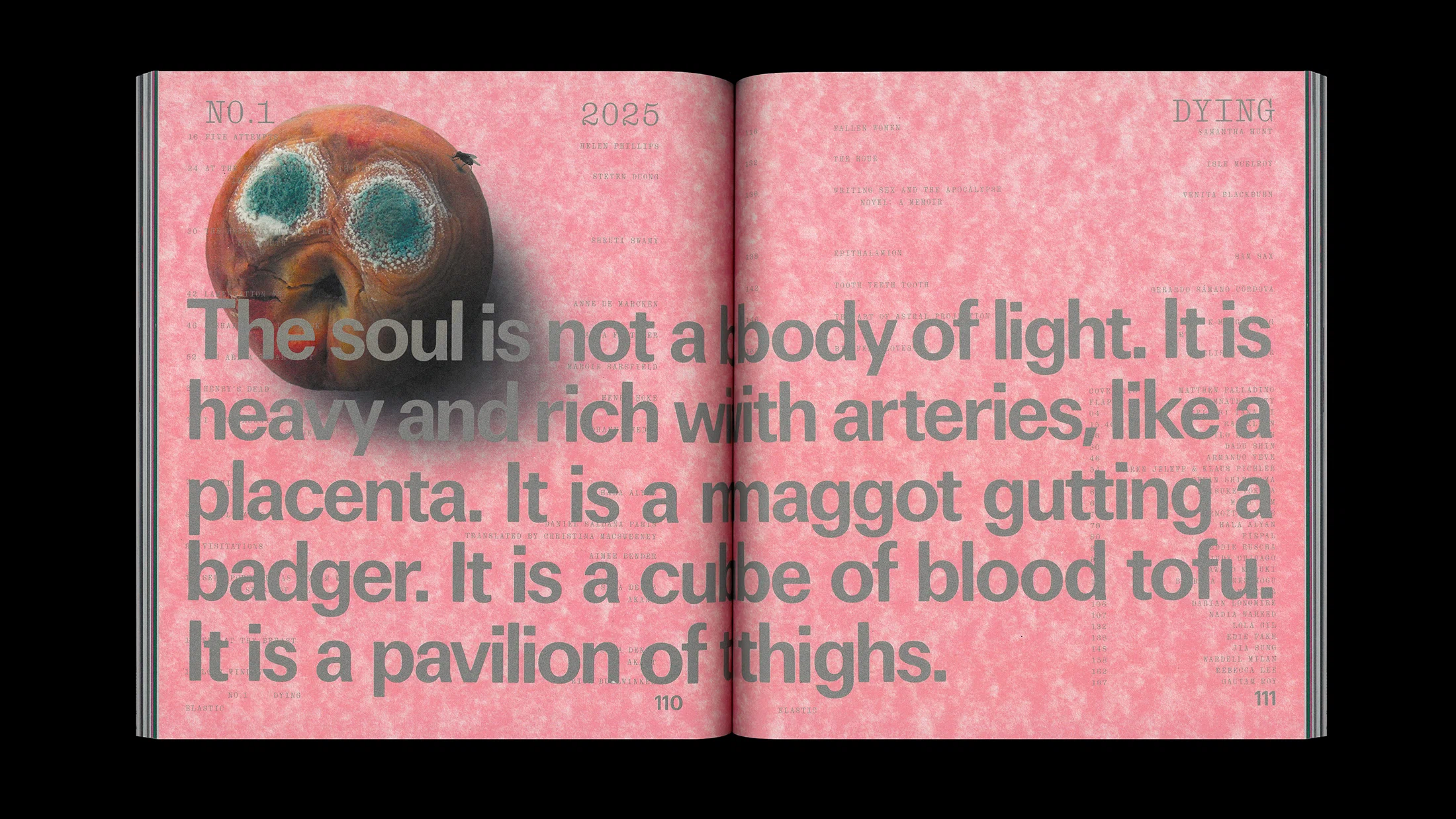
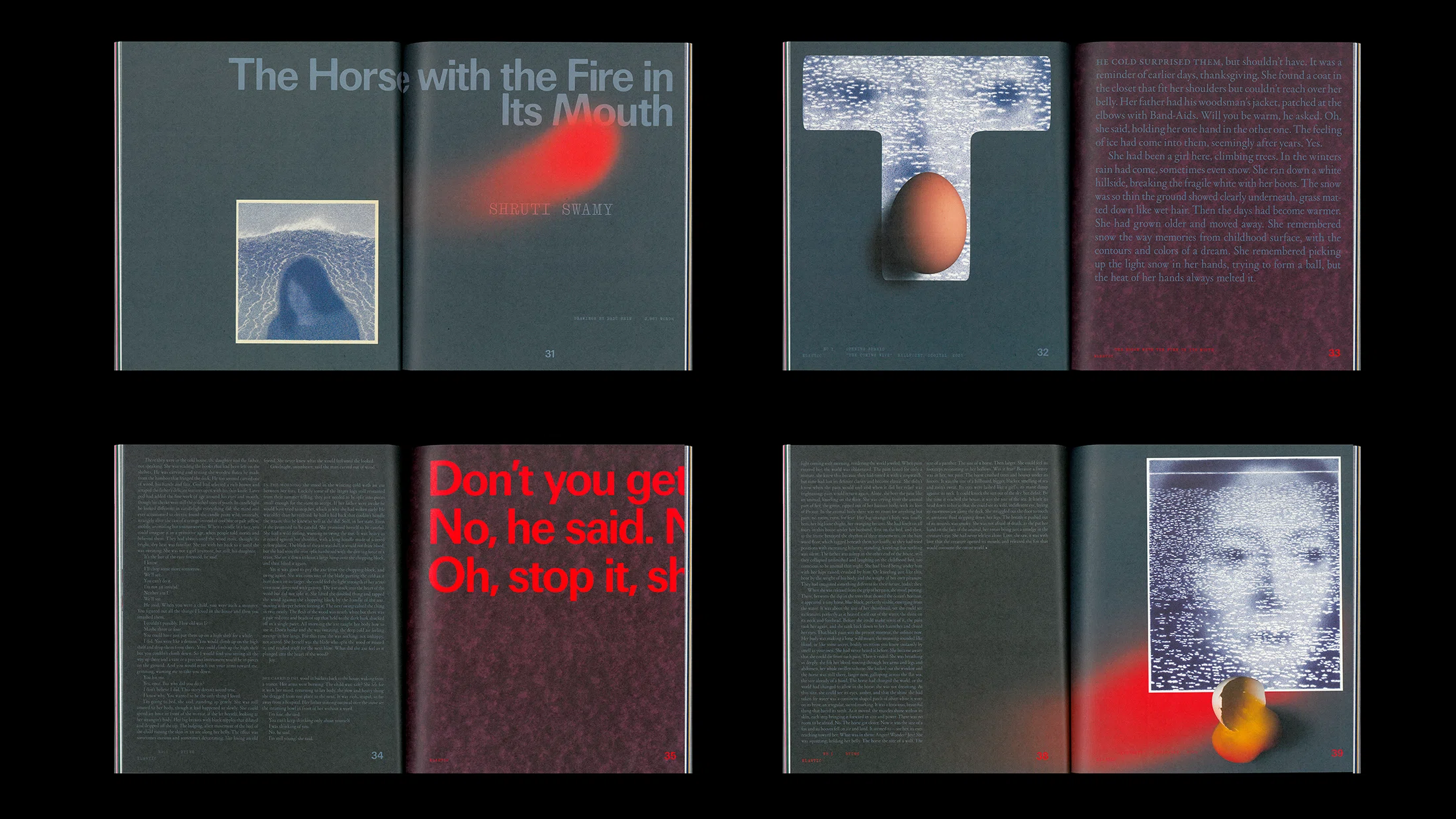
The first impression you get from Elastic is of bright, colourful, eye-catching, and experimental designs, with a delusional, trippy, and creative approach to showcasing their work. These clearly reveal the stark realities of drug use, death, new beginnings, and life-changing experiences that are not often portrayed creatively. The designs and information in their publication are clearly interconnected, helping the reader understand what Hillary is conveying. In No. 1 – The Dying Issue, with the assistance of Chloe Scheffe and Natalie Shields, they made the pages feel as if the reader themselves is inside a psychedelic episode, with pages tilted, random splashes of colour, and prints intentionally off-centre, too big or too small, to give the reader a deeper understanding of the publication — not just through the information or pictures, but through how the publication connects everything.
In a recent interview, Brenhouse discusses why she chose to explore psychedelic art and what readers, both now and in the future, can learn from it. Hillary states, “Grief is extremely psychedelic; it doesn’t occur in a straight line; it’s multidimensional; it’s subatomic; it scrambles narrative.” (magculture . 2025) She explains that no one can avoid it; no matter how straight the path you try to carve, it will get scrambled, it’s everywhere, and it can be small or as immense as possible. It destroys narrative and the linearity you create for yourself.

I find Elastic’s work so far, alongside Hillary Brenhouse, highly significant within the theme of their brand and the aims of this first publication because it highlights many overlooked areas related to death and drug use. It not only informs the reader about the depth of these issues but also sheds light on aspects that are often ignored. It references older media and magazines that explored this topic thoroughly, created by Black individuals. One relevant reference is a book by Nicholas Powers, Black Psychedelic Revolution (blackpsychedelicrevolution . 2025) This book explores “how psychedelics can heal racial pain passed on through generations.” It discusses how people and the mainstream have regarded psychedelics as something for privileged individuals—those with money, holiday time, and social power to showcase themselves. Many psychedelic spaces excluded Black people, denying them the same benefits that white people gained from these experiences, despite it being a significant part of their culture and not exclusive to white audiences.
This makes Elastic and Brenhouse worthy of a Wikipedia entry because of their notable commitment and how much they have helped bring issues of death, psychedelics, and drug use into the spotlight. Elastic was founded with an already somewhat popular co-chief editor, Brenhouse, and its first publication with 50 different contributors sharing knowledge and demonstrating their understanding of psychedelic use and showing its often lack of in-depth exploration. It is vastly different from the “norm” of understanding this theme, allowing Black culture to also shine by taking inspiration from sources like the aforementioned Black Psychedelic Revolution, while encouraging viewers to explore other books and publications on this topic, such as The Radical Experimentation of Black Psychedelia.