Vocal Type
Vocal type
Vocal type co. Is an independent type foundry based in Washington, DC that specialises in designing and bringing to life typefaces that tell a story and reflect civil rights movements of the past. Their work is dedicated to making sure the history of marginalised communities are remembered and honoured in a space where it is not seen as significant. The typefaces influence ranges from feminist activism to global and LGBTQ+ protests.

History
Vocal Type was founded as an independent foundry in 2016 by Tré Seals initially as a side gig. However, grew into a more permanent, full-time foundry with plans to cure the world of its Helvetica obsession (Baker, 2023). The monotonous and almost boring nature of the graphic design industry at the time fuelled Vocal Type and Tré Seals into designing typefaces that are based on significant moments in black history as well as the culture Tré Seals was surrounded by growing up. The foundry’s views reflect the founder’s mission and intention to honour the cultures they take inspiration from (Baker, 2023).
Founder
Tré Seals is a type designer, creative director and the founder of Vocal Type born in 1993 in the United States. He studied visual communication at Stevenson University in Washington. Later he launched his own independent type foundry Vocal Type in 2016. His main motivation for starting his own foundry was because of his frustration with the white dominated typography industry (Arts, 2019; Eye on Design, 2019). His work in a way changed typography with its deep cultural ties and drawing inspirations from civil rights protest, liberation movements, and marginalised narratives, which have been absent from graphic design for many years (Beach, 2022).
Through Vocal Type, Seals wanted to give designers and others the chance to see the stories and struggles of overlooked communities reflected in design (Seals. T, 2025; Eye on Design, 2019). His contribution to the industry has earned him wide recognition gaining him many accolades from the Type Directors Club, The One Club for Creativity and a place on the Forbes 30 under 30 which highlight his influence in changing what typography can mean and represent (Oneclub.org, 2024; Oneclub.org, 2018; Forbes, 2022).
VTC Martin
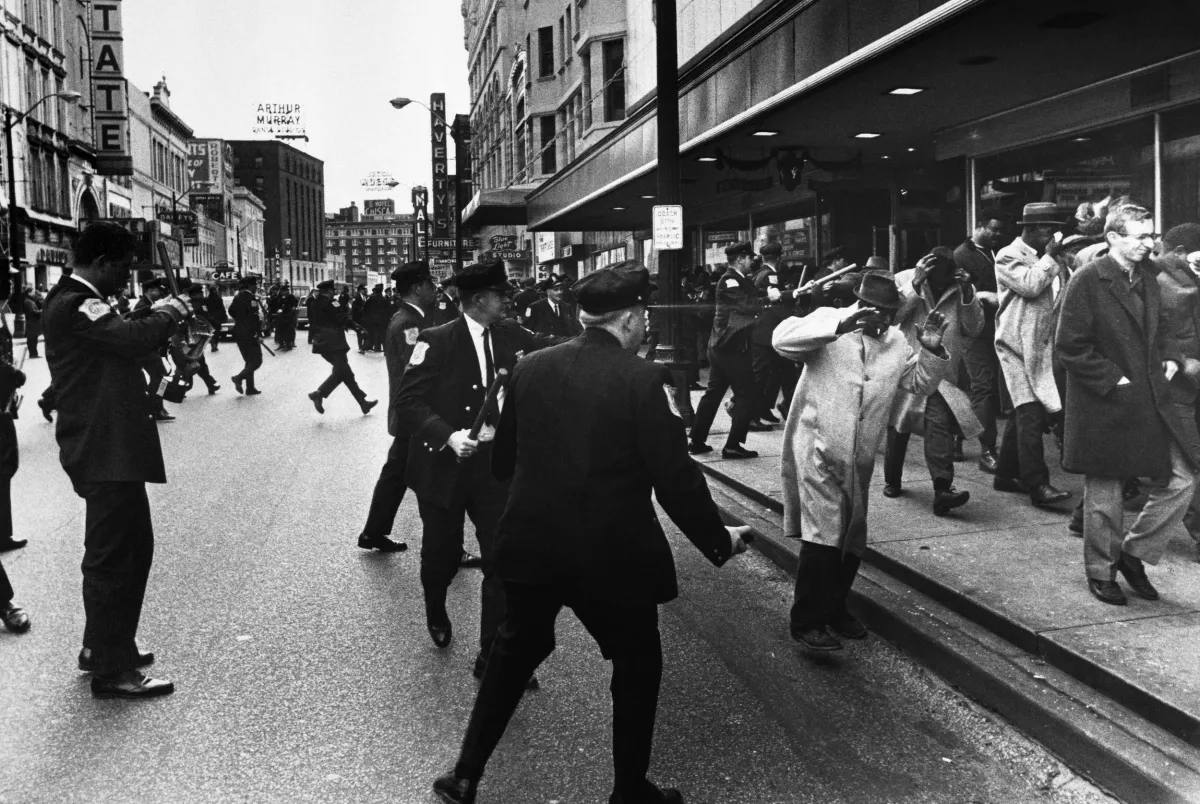
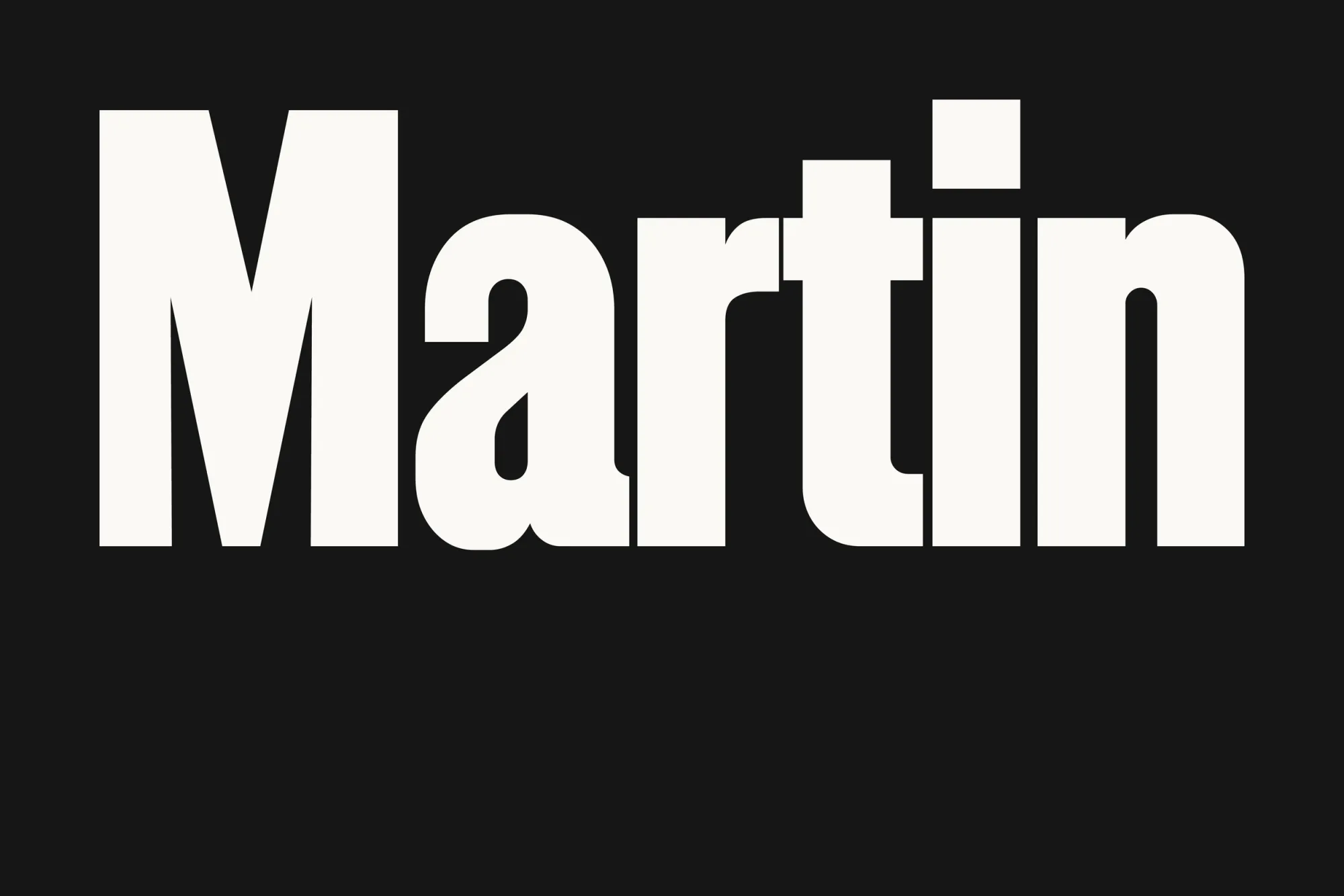
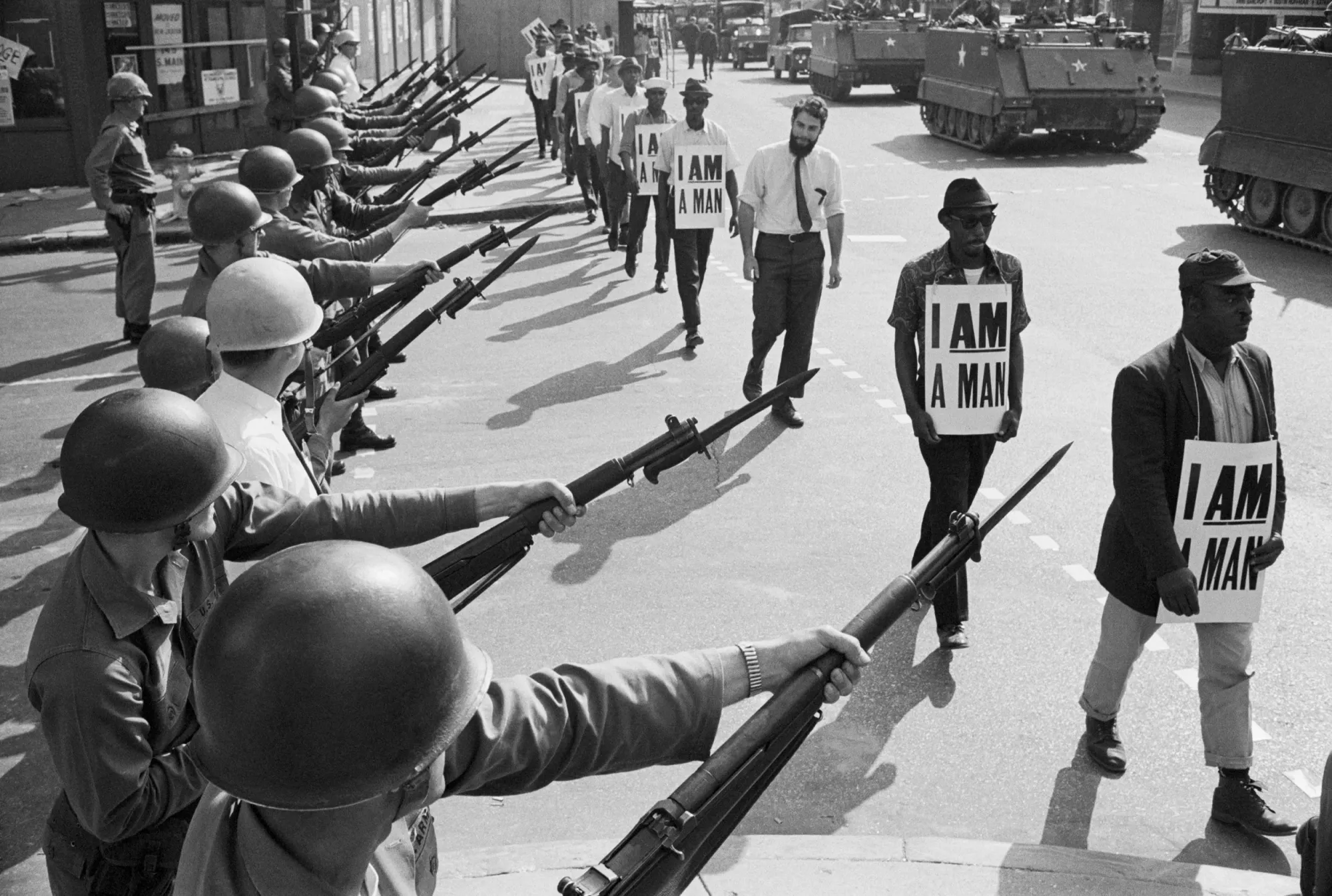
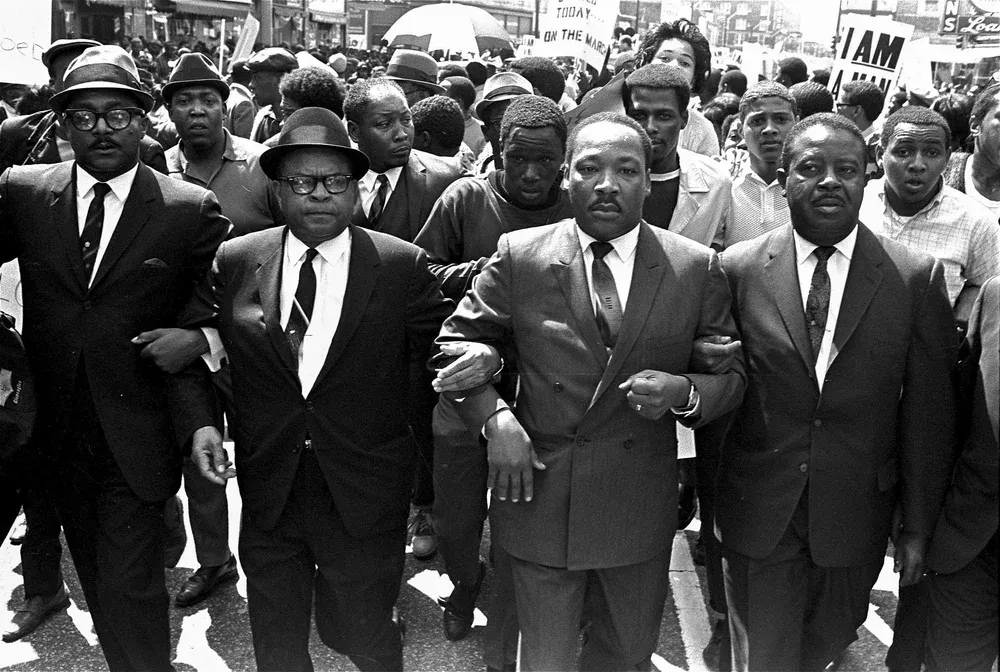
Martin (VTC Martin) was designed by Tré Seals and released by Vocal Type. To a lot of people, it was more than just a typeface, it was a memorial that honoured a memory. It was based on the visual language of the 1968 Memphis Sanitation Strike, which was a significant moment in African American history it also highlighted the struggle for civil rights and labour justice in the United States. The typeface is bold and blocky which was directly inspired by the handmade placards carried in the hands of the sanitation workers. The now iconic phrase of the protest “I AM A MAN” gives humanity in the face of injustice (VOCAL, n.d).
Martin started out as a single weight font but later evolved into multiple weights, now containing of a standard typeface ‘Martin’ and a display typeface ‘Martin Display’. Martin however remains closer to the original origin, the protest signs. Martin Display is more versatile and was made for more modern design contexts. Yet they both retain the visual essence of 1968.
The Martin typeface impact had reached beyond the world of typography. Bringing the typeface to the digital world allowed the context and history to reach more than just its initial users (designers). Activists, designers, and institutions have used the font for much more. For example, murals, protest posters, book designs and more, bringing to life, resistance in visual art and culture (Monotype, 2021).
The creation and success of Martin reflect Seals and Vocal Type’s mission, which was to diversify the field of graphic design and design itself (Beach, 2022).
Argument
Vocal Type symbolises change within design history and the typographic culture of today’s time. This is evident in the way the foundry calls attention to forgotten visual histories, challenges western design standards and how they interact with modern movements to help decolonise and diversify design. Even though their typefaces are based on civil rights, queer liberation and other social movements, Vocal Type has put a spotlight on typography making it a place of cultural recovery.
An issue within the theme of underrepresentation is the dominance of white, western perspectives which have been integrated into the study of design for a long while. The Royal College of Art suggests that design history has always been seen as insignificant, calling for a rethinking of what and whose narratives are taught and preserved (RCA, n.d). This contrast can be seen through typography, where design studies mainly focus on European modernism, Swiss International Style, and the Bauhaus. While subconsciously forgetting activists or non-western typographic traditions.
Vocal Type understands this problem and directly tries to counter it. Seals has mentioned before that he wants to “diversify design through typography.” He caught on that amongst the thousands of typefaces, not much mirrored the experiences or cultures of marginalised communities (Design Week, 2021). Every project Vocal Type starts they begin with the archival research and then begin to dig into specific social movements. For example, the Martin typeface takes inspiration from the 1968 Memphis Sanitation Strike, Bayard from the civil rights organiser Bayard Rustin and Marsha from the Stonewall LGBTQ+ liberation protest (Vocal Type, 2025). This as a crucial role of protest graphics, understanding the idea that visual language is connected to political struggle. (McQuiston, 2019)
Turning the context into usable typographic assets is Vocal Type’s superpower. Vocal Type constantly challenge what is seen as the standard and they do this by creating letterforms that carry cultural and historical contexts. An example of this would be Murals for Justice where a community revived and used the typeface in a different context without it being stripped of its meaning and in a way brought light to its Value. Vocal Type fonts were designed as tool for visually vocalise resistance (Hardwig, 2020).
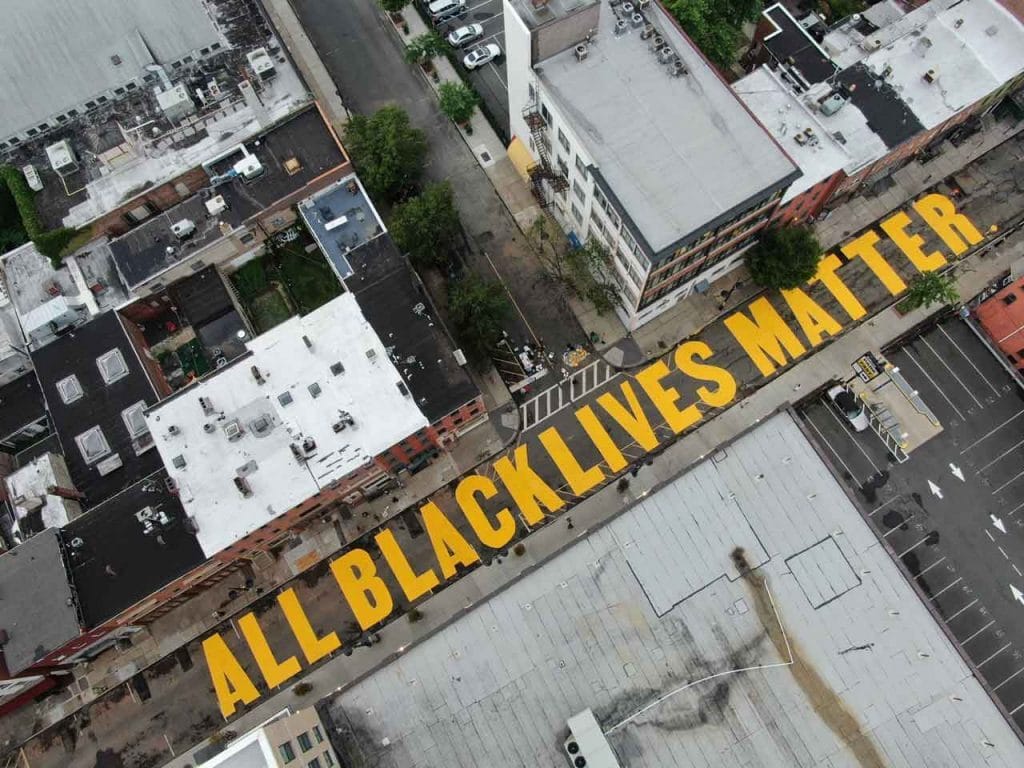
This strongly aligns with decolonising design methods. Tunstall emphasises the need for “pluriversal” design histories (multiple histories existing together rather than a single dominant narrative) (Tunstall, 2023). Vocal Type makes sure to open space for visual voices that design history historically excluded. Similarly, the act of decolonising design, itself highlights the importance of recovering “erased” or “overlooked” creative practices, a method which is directly reflected in Seals and Vocal Type’s use of archival material.
Vocal Type is also key for its educational impact. With every typeface the foundry produced they included a detailed essay with the history behind the typeface. The essay included sources and contextual information which encouraged designers to learn about the political and social struggles behind the letterforms they used. Vocal Type encourages students and educators to reconsider the history of a typographic choice.
Vocal Type’s contribution to the theme ‘issues of underrepresentation’ is significant. By including marginalised typographic histories, challenging “standard” design norms and giving designers tools that are rooted in cultural history, the foundry clearly shows how type design can alter the foundation of the design industry.
References
- Baker, D. (2023). This Black Type Designer Wants to Help You Discover the World Beyond Helvetica - Washingtonian. [online] Washingtonian - The website that Washington lives by. Available at: https://washingtonian.com/2023/01/17/tre-seals-vocal-type-fonts/ [Accessed 24 Nov. 2025].
- Florian Hardwig (2020). Murals for Justice Newark. [online] Fonts In Use. Available at: https://fontsinuse.com/uses/34354/murals-for-justice-newark [Accessed 24 Nov. 2025].
- Vocaltype.co. (2025). Welcome To Zscaler Directory Authentication. [online] Available at: https://www.vocaltype.co/history.
- Seals, T. (2025). Tré Seals. [online] Tré Seals. Available at: https://www.treseals.com/who/who-is-vocal-type [Accessed 24 Nov. 2025].
- VOCAL. (n.d.). MARTIN. [online] Available at: https://www.vocaltype.co/history-of/martin.
- Mcquiston, L. (2019). Protest!: a history of social and political protest graphics. Princeton, New Jersey: Princeton University Press.
- Monotype (2021). Everything old is new again: a deeper look at nostalgia in design. [online] Monotype. Available at: https://www.monotype.com/resources/expertise/everything-old-new-again-deeper-look-nostalgia-design.
- Beach, C. (2022). In Conversation with Tré Seals—The Type Designer Diversifying the Future of Design by Looking to the Past. [online] PRINT Magazine. Available at: https://www.printmag.com/culturally-related-design/tre-seals/.
- Oneclub.org. (2024). Young Guns 17: Tré Seals. [online] Available at: https://www.oneclub.org/articles/all/-view/young-guns-17-tre-seals/ [Accessed 27 Nov. 2025].
- Oneclub.org. (2018). Ascenders 2018 | Tre Seals. [online] Available at: https://www.oneclub.org/awards/ascenders/-award/49644/tre-seals/ [Accessed 27 Nov. 2025].
- Forbes (2022). 2023 30 Under 30: Art and Style. Tre Seals. [online] Available at: https://www.forbes.com/pictures/6372a019675340f13c8888ac/tre-seals/.
- Arts, C. (2019). Vocal Type Design | Communication Arts. [online] Communication Arts. Available at: https://www.commarts.com/columns/seals [Accessed 27 Nov. 2025].
- Eye on Design. (2019). Typography as a Radical Act in an Industry Ever-dominated by White Men. [online] Available at: https://eyeondesign.aiga.org/tre-seals-is-turning-typography-into-a-radical-act/.
- Design Week (2021). Tré Seals wants to diversify design through typography. [online] Available at: https://www.designweek.co.uk/issues/25-31-january-2021/vocal-type-tre-seals/?logged_in=1&action=login [Accessed 27 Nov. 2025].
- Tunstall, E. (2023). Decolonizing design : a cultural justice guidebook. Cambridge, Massachusetts: The Mit Press.
- RCA Website. (n.d.). Decolonising and diversifying design history. [online] Available at: https://www.rca.ac.uk/news-and-events/news/decolonising-and-diversifying-design-history/.