Chisaokwu Joboson
Chisaokwu Joboson is a Type designer based in Lagos, Nigeria. He specialises in creating typefaces rich with African culture.
Early career
Chisaokwu Joboson began his design career in University where he attended
The Federal University of Technology between 2013 - 2018. He started out studying civil engineering, a decision he made due to pressure from his parents to pursue a sensible career. Joboson joined a student community as a public relations officer, where he designed a poster for an event. He said it was this project that was ‘the spark’ and caused him to realise there was something there for him in the design world. He created posters and logo work occasionally, but not enough to make a career from. He eventually decided that this was something he would put all his energy into, with the mindset that if things went wrong, he would always have a degree to fall back on. (Type Elective, 2025)
Udi Foundry
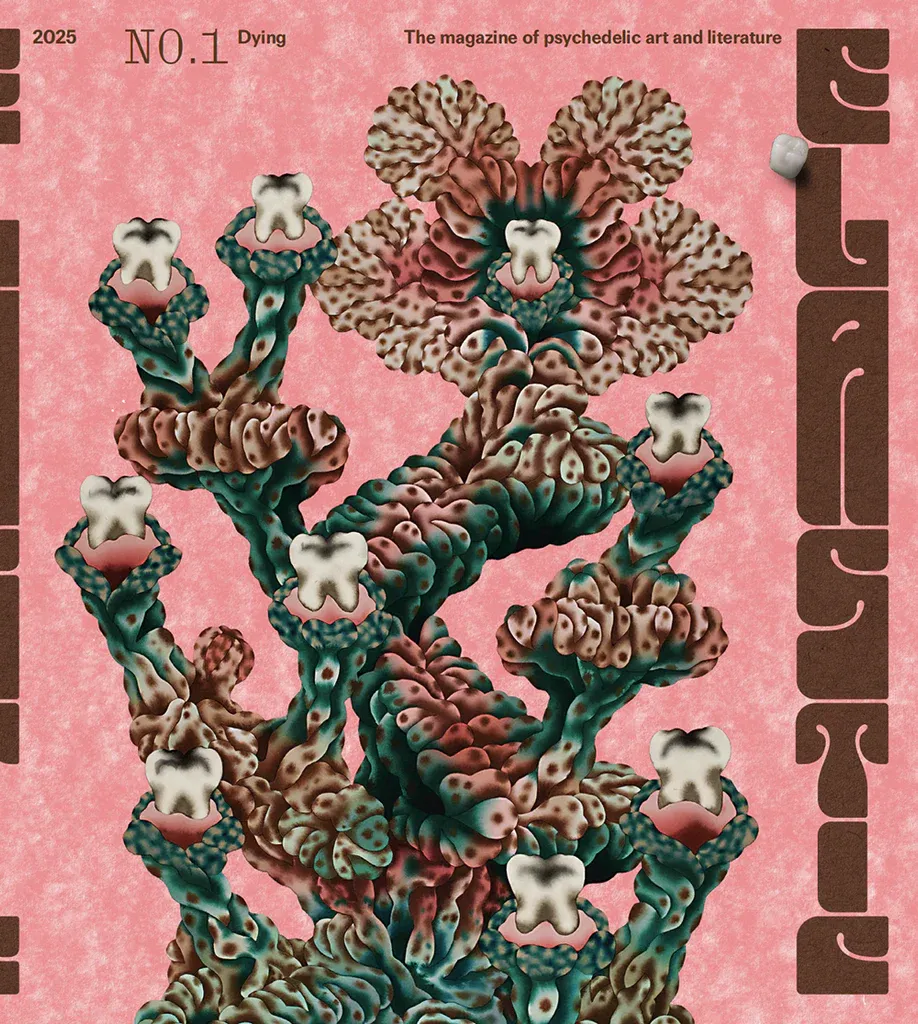
In 2023, Joboson created ‘Udi Foundry’ (Medium, 2025). An independent type foundry with a sole focus on creating typefaces based on African culture (The Torsche, 2025). Joboson said that ‘It felt like everyone had one, so if I wanted to get into the space, having a foundry felt like the right move’ (Type Elective, 2025). Joboson’s pivot to typography stemmed from a lack of inclusion, he created the idea of Udi Foundry after noticing a large gap in the design industry when it came to African type design. While he was still a brand designer, designing for African clients, Joboson often found a lack of typefaces that really resonated with Africa EXPAND . It was then he set out to make his own typefaces that ‘support African language and feel African’ (Type Elective, 2025) As of now, Joboson has made two fonts in his foundry, Ojuju and Oja display. He is currently working on two more, Gidigbo and Afro Sans, which he plans to release in 2026. Gidigbo is inspired by Yoruba traditional wrestling and Afro Sans is a new approach to sans serif fonts that incorporates African Culture (It’s Nice That, 2025).
Ojuju
In March of 2023, Simon Charwey, an African designer, one who Joboson noted as an inspiration to him, contacted him on Instagram informing him that Google Fonts were looking for African designers to make some typefaces. (Behind The Ship, 2024). Joboson was interested and talks began in September of that year. Ojuju is the first font created by Udi Foundry in collaboration with Google Fonts. Joboson worked on the font with Mirko Velimirović, a type designer based in New York City. ‘Ojuju’ is the Nigerian term for ‘masquerades’ (The Torsche, 2025) something Joboson had been fascinated by since he was young EXPAND. He always wants to tell a story with his fonts, a story that showcases and celebrates African culture. Another inspiration for this font had been 1970s African movie posters, specifically the 1968 movie, Mandabi (Type Elective, 2025).
Oja Display
Oja Display is the second font made by Udi Foundry. He describes this font as a ‘special endeavour’ and it holds significance as it was a solo project. (The Torsche, 2025). This font is based on an Oja Flute, which is an instrument used by the Igbo people of Nigeria. The counters within the typeface are representative of the flute’s finger holes within the flute and the tapered stems reflect the body of the flute. The typeface is available in over 180 languages and has 1,042 glyphs making it built for inclusivity.
Type Afrika
Type Afrika is a 6 week online course created by Chisaokwu Joboson as an intro to type design for Africans. It ran from the 22nd October to 26th November 2025. He aims to teach his students how to create a typeface and to understand the type design process.
Bringing African culture into a field that’s historically Western
Racism is something people of colour have had to exist with for far too long, and the design world is not exempt from this prejudice. The lack of representation and exposure for black graphic designers is a long-lasting issue. Lack of exposure means that the same opportunities are not given to highlight and credit these designers and subsequently they are being overshadowed by White American or European Designers. The 2021 AIGA Design POV reported that only 4.9 percent of graphic designers are Black (Adobe, 2023). This number has risen in recent years, there being just three percent in 2019 (MIT Media Lab, 2022), but there is still a serious insufficiency of black designers bringing their experience and culture into the field.
This lack of representation is something we should be questioning and challenging more, especially those with privilege. For far too long, designers have been comfortable living in the current boundaries of design, boundaries that have been decided by white men choosing what is good and what is bad. Simba Ncube, a graphic design student and researcher at the Royal College of Art, stated that ‘Our reliance on western culture inhibits our ability to incorporate other standards.’(AIGA, 2019) This talks about how the average designer has become too comfortable in their practice, no longer feeling the need to change perspectives or audience. Due to everyone following the same standards, when a designer brings new ideas to the table they are often pushed away as it does not conform to the western ideals that have been created. How are we meant to decolonise design if we cannot escape the familiar?
By incorporating different cultures into design we are opening ourselves up to a whole new range of techniques and styles that can be brought to the table. Some notable designers include; Charles Dawson, a commercial artist in the 1920s to 30s and Aaron Douglas, an illustrator in the 1940s to 60s. (Adobe, 2023). It’s important to note that without my own research I would not have known about these two artists, prevalent in their respective fields. Education is a large factor when it comes to putting artists in the spotlight and despite the many contributions made by black designers to the profession, they are not shown in the graphic design canon and therefore their presence in the industry remains small. This then makes us wonder why we are not making better use of the talented individuals who are bringing in these new ideas and new outlooks. The lack of diversity is creating a cycle of exclusion (Design Enquiry, 2024) which is making it harder for black designers to break into the industry in the first place.
In conclusion, as designers we should always be open to introducing new concepts into our design and learning when new cultures and practices are brought into the industry. We must recognise that we exist within a system of oppression and that most of our culture is stolen or appropriated to be able to move away from the eurocentric ideals that has been created. There are always opportunities to expand and ignoring the great minds that already exist out there is limiting our creativity. Designers like Chisaowku Joboson are important when it comes to adding a bit of culture into design to make the practice more inclusive for everyone, and advocating for more people to do the same.